Español
 Francés
 Русский
 Indonesia
 العربية
 Português
 Deutsch
 ไทย
ไทย
 Pilipino


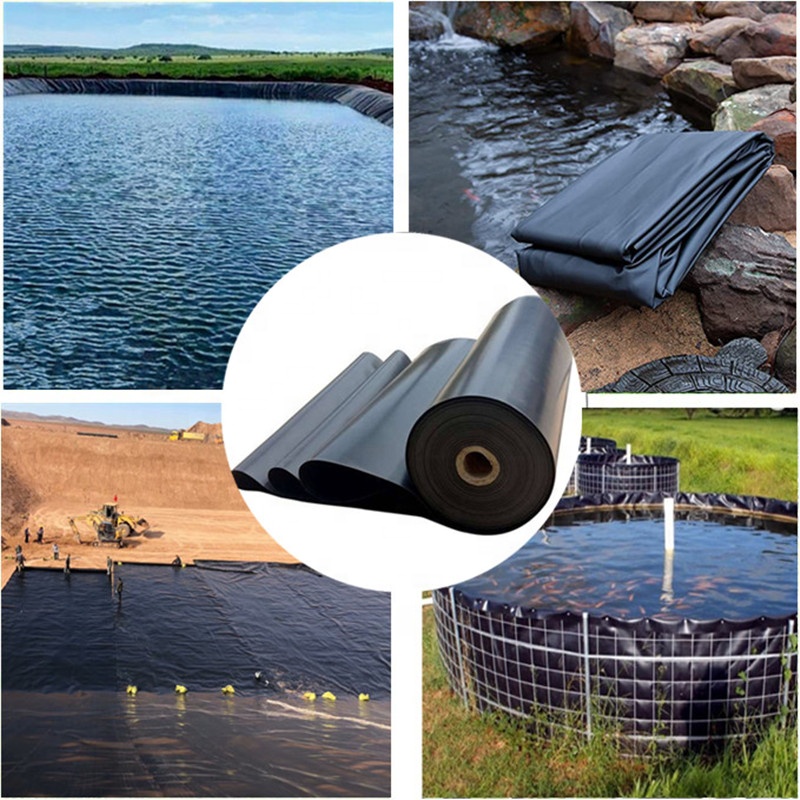
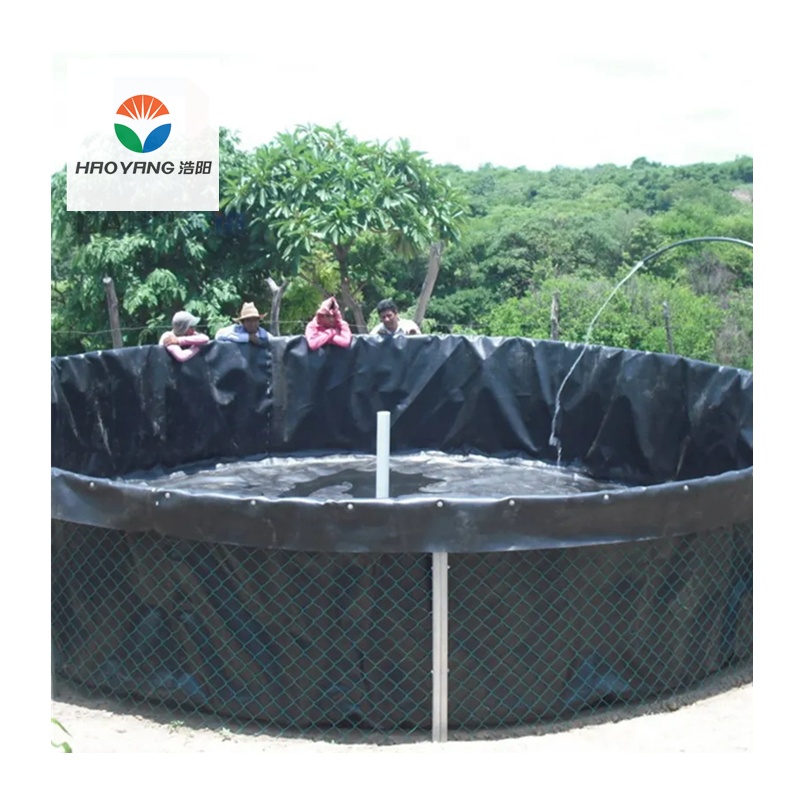
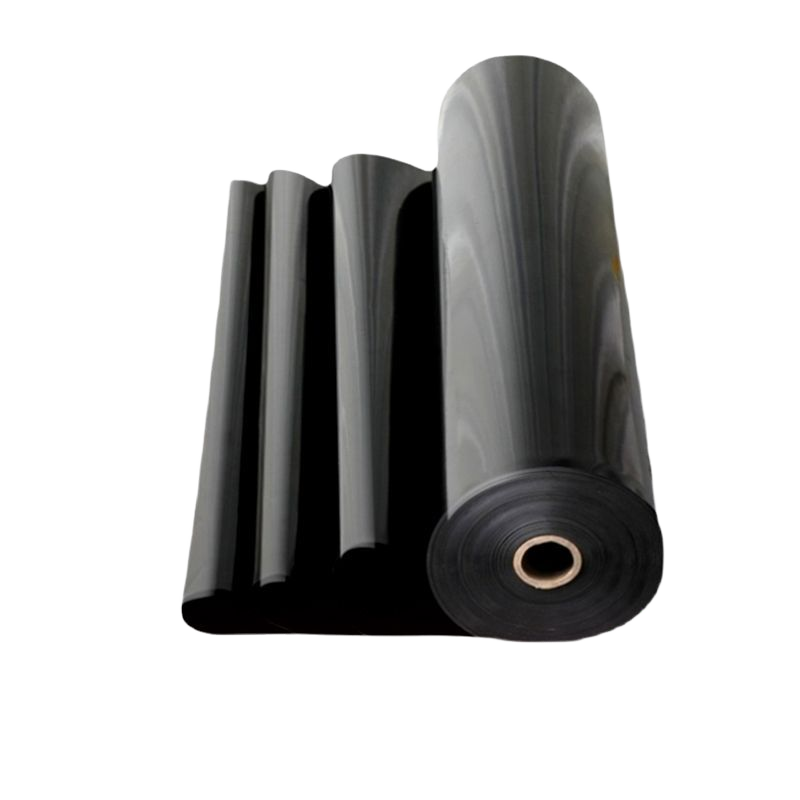
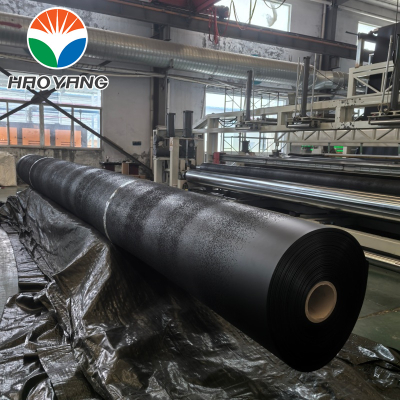
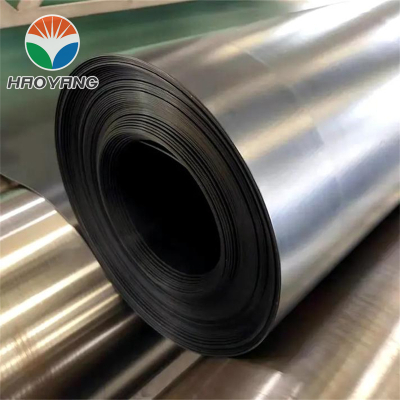
Geomembrane 1mm for Wastewater Treatment
1.Cost-Effective Containment: The 1mm geomembrane provides sufficient strength (≥15 N/mm yield) at a 20–30% lower cost than 1.5mm alternatives, making it ideal for large-scale wastewater projects.
2.Superior Flexibility: With a bend radius of 120mm, it conforms easily to irregular surfaces, reducing installation time and minimizing wrinkles that could compromise seals.
3.Chemical & UV Resistance: Stable under prolonged exposure to acids, alkalis, and UV radiation, ensuring long-term performance in harsh wastewater environments.
Geomembrane 1mm for Wastewater Treatment
Introduction
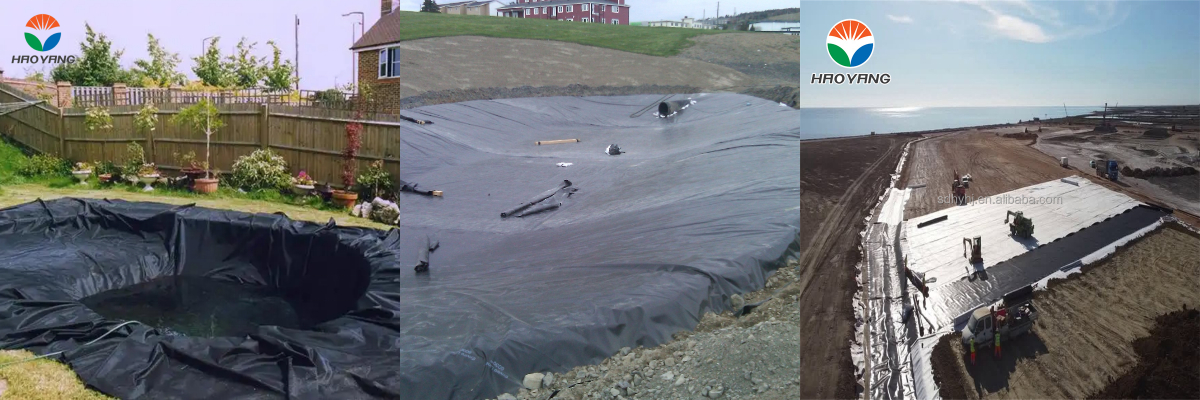
Wastewater treatment facilities face stringent environmental regulations to prevent contamination of soil and groundwater from leachate, chemicals, and biological pollutants. Geomembranes, particularly 1mm-thick high-density polyethylene (HDPE) liners, have become a critical component in containment systems due to their impermeability, chemical resistance, and durability. This article examines the technical specifications, performance benefits, and real-world applications of 1mm HDPE geomembranes in wastewater treatment, supported by empirical data and industry case studies.
Technical Specifications
Table 1: Core Physical Properties of 1mm HDPE Geomembranes
| Parameter | Test Method | 1mm Specifications | Industry Standards (ASTM/GRI) |
Thickness (mm) | ASTM D5199 | 1.00 ± 0.05 | 0.75–3.0 mm (GRI GM13) |
Density (g/cm³) | ASTM D1505 | ≥0.94 | ≥0.935 (ISO 14216) |
Tensile Yield Strength (N/mm) | ASTM D6693 Type IV | ≥15 (LD/TD) | ≥12 (LD/TD) (GRI GM13) |
Tensile Breaking Strength (N/mm) | ASTM D6693 Type IV | ≥30 (LD/TD) | ≥25 (LD/TD) (GRI GM13) |
Elongation at Break (%) | ASTM D6693 Type IV | ≥600 | ≥500 (ISO 10319) |
Puncture Resistance (N) | ASTM D4833 | ≥320 | ≥250 (GRI GM13) |
Tear Resistance (N) | ASTM D1004 | ≥125 | ≥100 (GRI GM13) |
Carbon Black Content (%) | ASTM D1603 | 2.0–3.0 | 2.0–3.0 (ISO 11908) |
UV Resistance (hrs) | ASTM D5397 | ≥300 | ≥200 (ISO 4892-3) |
Table 2: Performance Comparison: 1mm vs. Thicker Geomembranes
| Thickness (mm) | Yield Strength (N/mm) | Puncture Resistance (N) | Service Life (Years) | Cost/m² (USD) | Flexibility (Bend Radius, mm) |
0.75 | 12 | 250 | 25–35 | 0.25–0.35 | 150 |
1.0 | 15 | 320 | 30–45 | 0.35–0.45 | 120 |
1.5 | 22 | 480 | 50–70 | 0.50–0.65 | 180 |
Applications in Wastewater Treatment
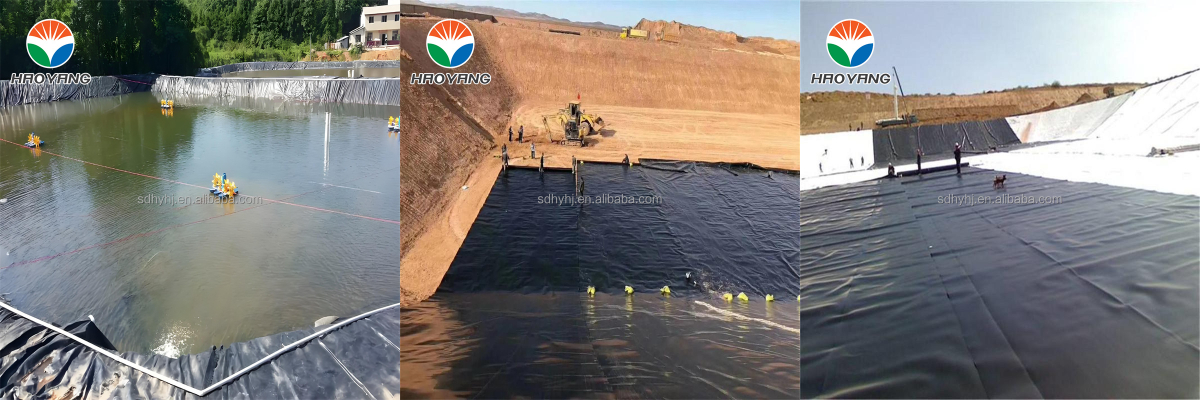
1. Primary Liner Systems
Used in anaerobic digesters, sludge lagoons, and equalization tanks to prevent leachate leakage into soil.
Example: A 2024 project in São Paulo, Brazil, utilized 1mm HDPE liners for a 10,000 m² sludge lagoon, achieving <1×10⁻¹² cm/s permeability and compliance with CONAMA 357 regulations.
2. Secondary Containment
Installed as a floating cover or double-liner system to enhance redundancy in critical treatment units.
Example: A Singapore wastewater plant deployed 1mm geomembranes beneath chemical storage tanks, reducing contamination risks by 90%.
3. Biogas Collection Covers
Flexible yet durable enough to withstand gas expansion and contraction in anaerobic digesters.
Example: A German biogas facility reported a 15% increase in gas capture efficiency after switching to 1mm HDPE covers.
Conclusion
The 1mm HDPE geomembrane offers an optimal balance of affordability, flexibility, and performance for wastewater treatment applications. Its ability to conform to complex geometries, resist chemicals, and provide leak-proof containment makes it indispensable for modern facilities. As regulations tighten globally, this thickness variant is expected to dominate projects where cost efficiency and reliability are paramount.