Español
 Francés
 Русский
 Indonesia
 العربية
 Português
 Deutsch
 ไทย
ไทย
 Pilipino


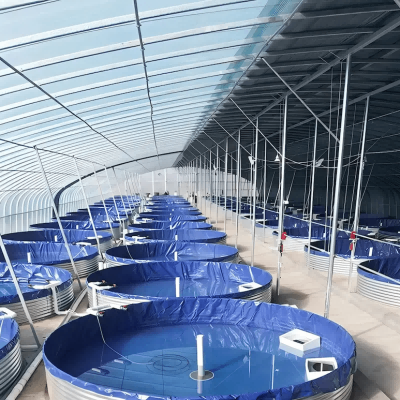
PVC Geomembrane For Fish Ponds
1.Excellent Waterproof Performance: PVC geomembrane provides superior impermeability, effectively preventing water leakage and conserving pond water.
2.High Flexibility and Elongation: The material adapts easily to uneven pond surfaces, reducing the risk of cracking or tearing.
3.UV and Weather Resistance: It performs well under long-term sunlight exposure and varying weather conditions, ensuring durability in outdoor environments.
4.Non-Toxic and Eco-Friendly: Safe for aquatic life, PVC geomembrane does not leach harmful substances, making it ideal for aquaculture applications.
5.Easy Installation and Welding: It can be easily welded or bonded on-site, reducing labor costs and installation time.
PVC Geomembrane for Fish Ponds
In the aquaculture industry, ensuring a stable, clean, and efficient environment for aquatic life is essential for sustainable and profitable operations. Among the many materials used to construct and line fish ponds, PVC geomembranes have emerged as a highly effective and popular choice. With their outstanding waterproofing properties, flexibility, and cost-efficiency, PVC geomembranes play a critical role in modern fish farming practices.
What is a PVC Geomembrane?
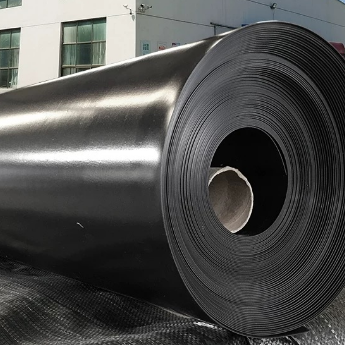
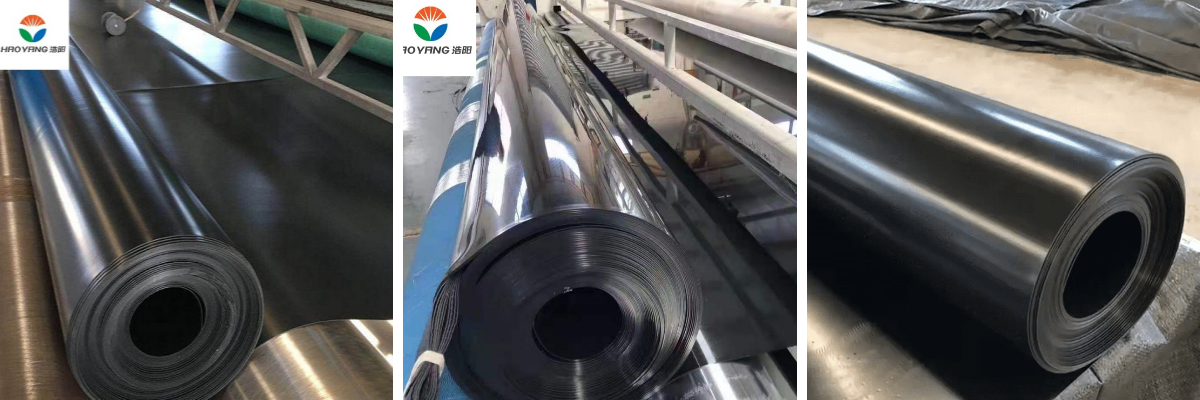
A PVC (Polyvinyl Chloride) geomembrane is a type of synthetic liner made from high-quality, flexible polymer material. It is widely used in containment applications due to its impermeable structure and chemical resistance. PVC geomembranes are typically black or gray, and available in various thicknesses, generally ranging from 0.5 mm to 2.0 mm depending on the specific application requirements.
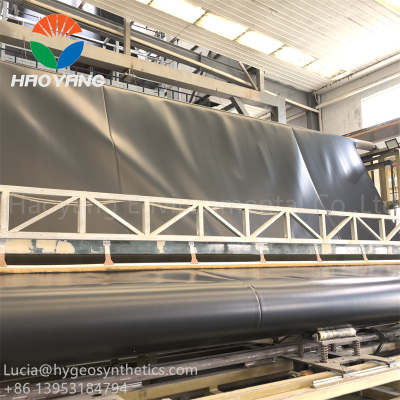
These liners are manufactured through calendaring or extrusion processes and are designed to act as a barrier against fluid migration. When installed correctly, a PVC geomembrane can prevent water seepage in fish ponds, making it easier to manage water quality, reduce maintenance, and improve fish yield.
Key Advantages of PVC Geomembrane in Fish Ponds
1. Excellent Waterproofing Ability
One of the core functions of a pond liner is to prevent water loss through seepage. PVC geomembranes offer exceptional impermeability, effectively creating a sealed environment that retains water within the pond structure. This helps farmers conserve water, maintain desired water levels, and reduce dependency on frequent water replenishment.
2. High Flexibility and Adaptability
PVC geomembranes are known for their high flexibility and elongation properties. This allows them to conform closely to the contours of the pond base, including irregular surfaces, corners, or slopes. The material's stretchability reduces the likelihood of cracks or ruptures caused by ground movement or uneven settlement, ensuring a longer service life.
3. UV and Weather Resistance
Fish ponds are typically exposed to direct sunlight and variable climatic conditions. A high-quality PVC geomembrane offers good resistance to ultraviolet radiation (UV), temperature changes, and weathering. This stability helps maintain the integrity of the liner, even under harsh environmental exposure, ensuring long-term performance in outdoor aquaculture systems.
4. Non-Toxic and Safe for Aquatic Life
Unlike some industrial-grade liners that may release harmful chemicals into the water, PVC geomembranes designed for aquaculture are non-toxic, eco-friendly, and safe for fish, shrimp, and other aquatic organisms. They are manufactured under strict quality control standards to ensure that no leachable substances compromise water quality or endanger aquatic life.
5. Easy to Install and Repair
Another notable advantage is the ease of installation and welding. PVC geomembranes can be seamed using hot air welding or chemical bonding, enabling quick and secure joins. Additionally, any damage to the liner can be easily located and patched on-site, which minimizes downtime and repair costs.
6. Chemical and Biological Resistance
PVC is inherently resistant to many common chemicals, including acids, bases, and salts, as well as microbial growth. This makes the material highly suitable for aquaculture operations where water quality is affected by feed residue, organic matter, and water treatment agents. It ensures long-term durability and stable performance.
Applications in Fish Farming and Aquaculture
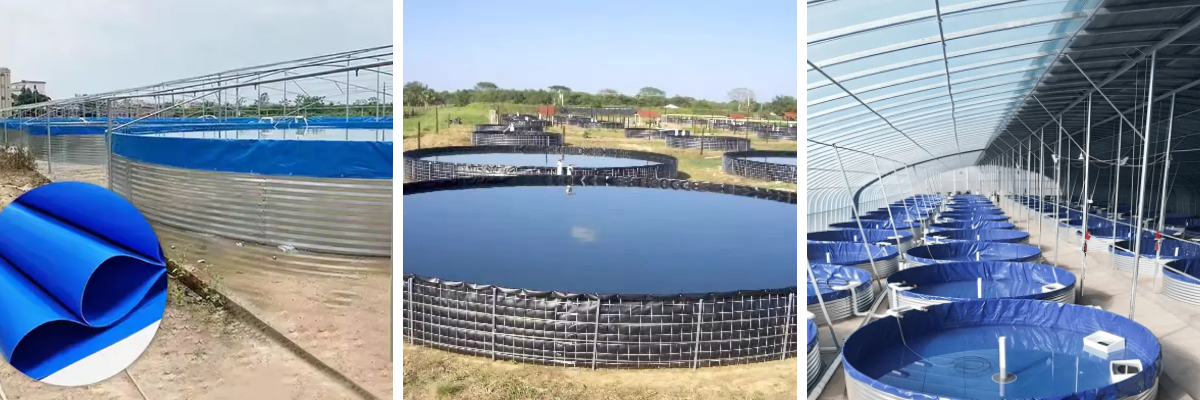
PVC geomembranes are used in a wide range of aquaculture and water containment applications, such as:
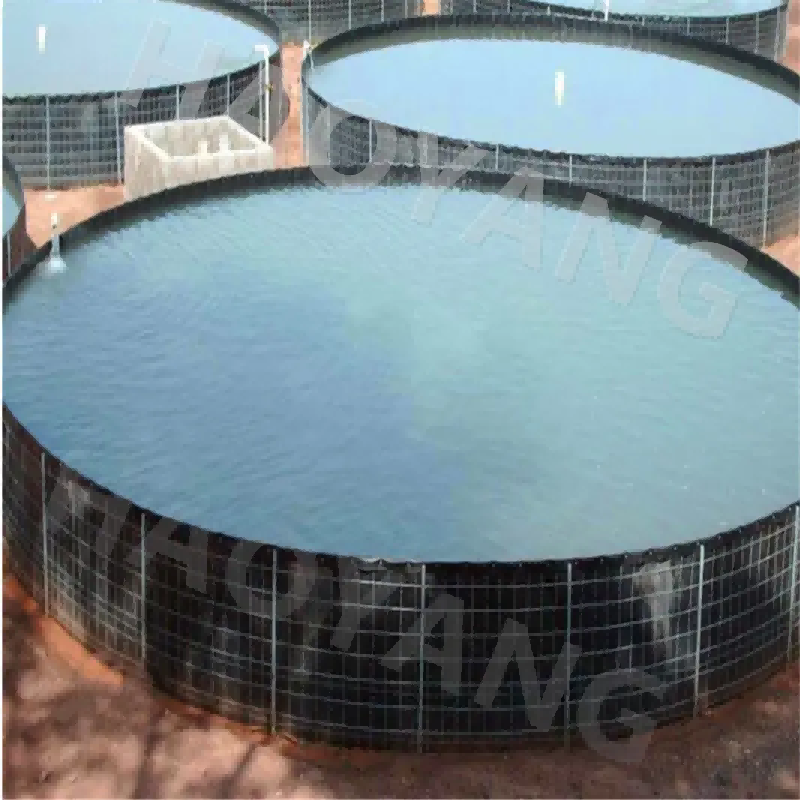
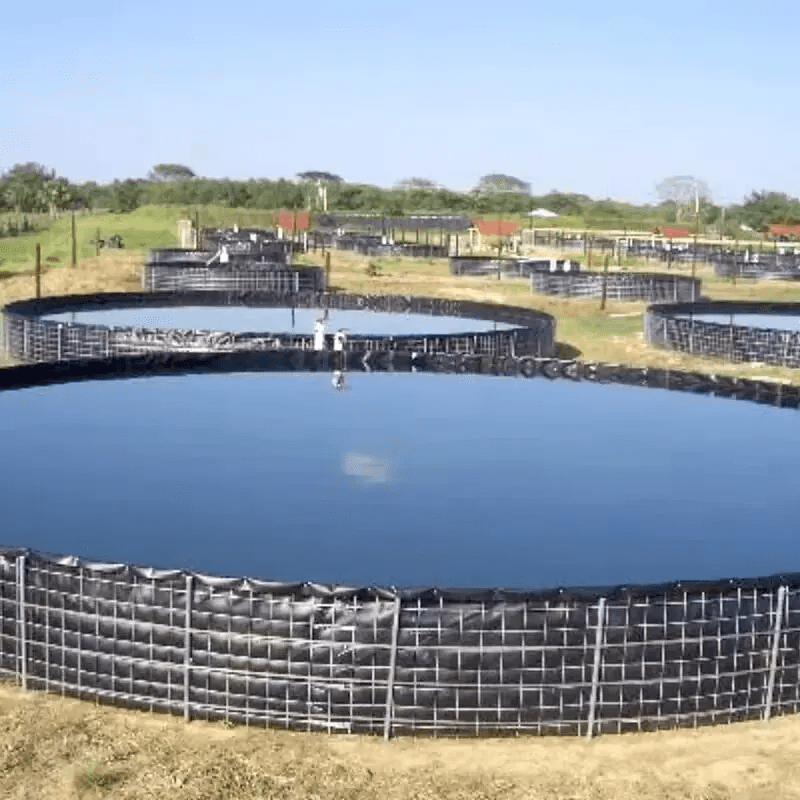
1.Lining of earthen fish ponds
2.Construction of ornamental ponds and water gardens
3.Shrimp and prawn farming basins
4.Breeding tanks and nursery ponds
5.Recirculating aquaculture systems (RAS)
6.Wastewater treatment lagoons for fish farms
Whether it’s a small-scale farm or a large commercial operation, PVC liners help maintain consistent water levels, prevent contamination from surrounding soil, and facilitate easy pond cleaning and management.
Installation Guidelines
Proper installation is essential to maximize the performance and lifespan of PVC geomembranes. The general process includes:
1.Site Preparation: Remove rocks, roots, and other sharp objects. Level the soil and compact the base to ensure a smooth surface.
2.Liner Deployment: Carefully unroll the geomembrane over the pond base, allowing it to naturally settle into curves and corners.
3.Seaming and Welding: Overlapping seams should be hot-air welded or glued using solvent adhesive to create watertight joints.
4.Anchor and Edge Fixing: The edges of the liner should be buried in anchor trenches or secured with weights to prevent displacement.
5.Inspection and Testing: Perform visual inspection and seam testing to ensure no leaks or defects are present before filling the pond.
It is often recommended to hire experienced professionals for large-scale installations to guarantee optimal results.
Why Choose PVC Over Other Geomembranes?
There are several types of geomembranes used in pond lining, including HDPE (High-Density Polyethylene), LLDPE (Linear Low-Density Polyethylene), and EPDM (Ethylene Propylene Diene Monomer). Compared to these materials, PVC offers unique advantages:
1.Greater flexibility than HDPE, especially in colder climates.
2.Lower installation costs due to easier seaming and lower weight.
3.Better performance on irregular or sloped surfaces.
4.More suitable for small to medium-sized ponds.
However, PVC may not match HDPE in chemical resistance or tensile strength for certain industrial uses. Therefore, the material choice should depend on specific project needs.
Environmental and Economic Benefits
From an environmental perspective, using PVC geomembrane in fish ponds supports sustainable aquaculture. By reducing water leakage and improving control over farming conditions, it helps optimize resource use and reduce environmental impact.
Economically, while PVC liners represent an initial investment, their long service life (typically 8–15 years), reduced maintenance, and improved fish survival rates contribute to better returns on investment. The liner also simplifies pond drainage and cleaning, reducing labor and operational costs.
Item | Details |
Product Name | PVC Geomembrane for Fish Ponds |
Material | Polyvinyl Chloride (PVC), Virgin Resin |
Color Options | Black / Grey / Blue / Customized |
Standard Thickness | 0.5 mm – 2.0 mm |
Width Range | 2 m – 6 m (customizable) |
Length per Roll | 50 m – 100 m (or customized) |
Surface Type | Smooth / Textured |
Tensile Strength | ≥ 15 MPa |
Elongation at Break | ≥ 300% |
Waterproofing Performance | Excellent – Low permeability |
UV Resistance | High – Suitable for outdoor long-term use |
Chemical Resistance | Good resistance to acids, bases, and salts |
Toxicity Level | Non-toxic, Fish and Shrimp Safe |
Working Temperature | -15°C to +60°C |
Installation Method | Hot air welding, solvent bonding, or adhesive sealing |
Certifications | ISO 9001 / SGS / CE (as required) |
Service Life | 8 – 15 years (depending on usage & exposure) |
Main Applications | Fish ponds, shrimp ponds, ornamental ponds, aquaculture basins, water tanks |
Packaging | Rolled with woven bags or palletized |
MOQ | Negotiable |
Lead Time | 7 – 15 days (depends on order quantity) |
OEM/ODM | Available |
As aquaculture continues to expand globally, the demand for efficient, reliable, and environmentally friendly pond liners is growing. PVC geomembrane for fish ponds stands out as a proven solution that combines technical performance with cost-effectiveness. Its waterproofing, flexibility, safety, and ease of installation make it a preferred choice among fish farmers, especially those looking to enhance productivity and sustainability.
Whether for traditional fish ponds or modern aquaculture systems, adopting PVC geomembrane technology is a smart investment that supports both environmental protection and economic growth in the aquaculture industry.