Español
 Francés
 Русский
 Indonesia
 العربية
 Português
 Deutsch
 ไทย
ไทย
 Pilipino


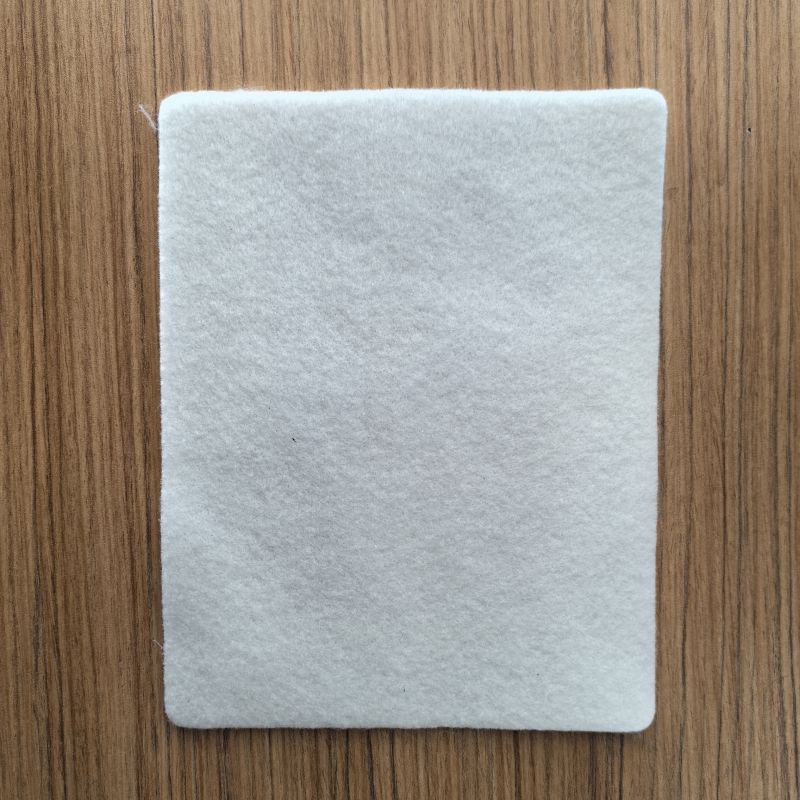
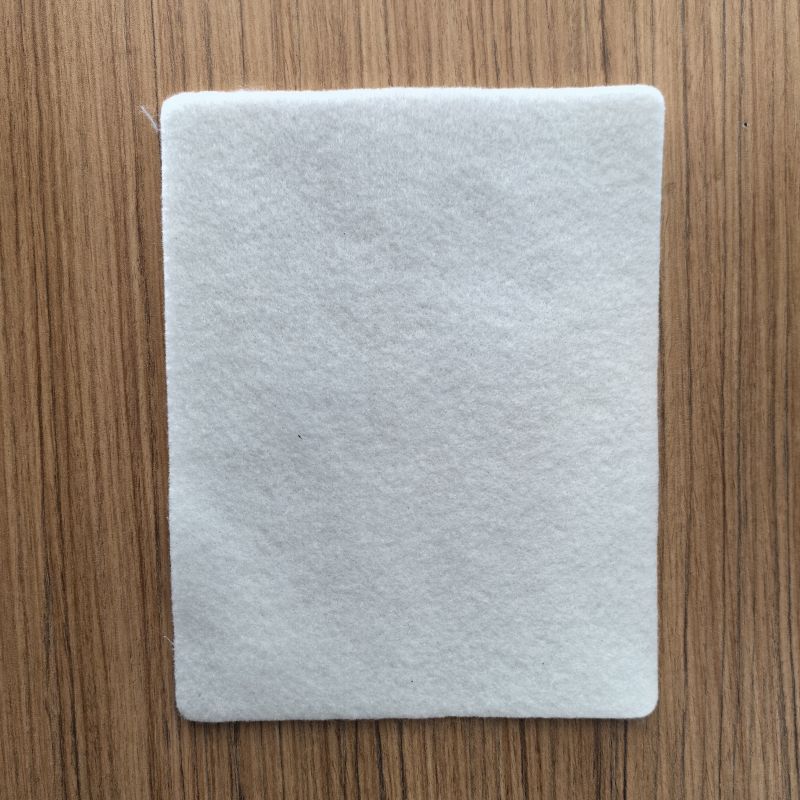
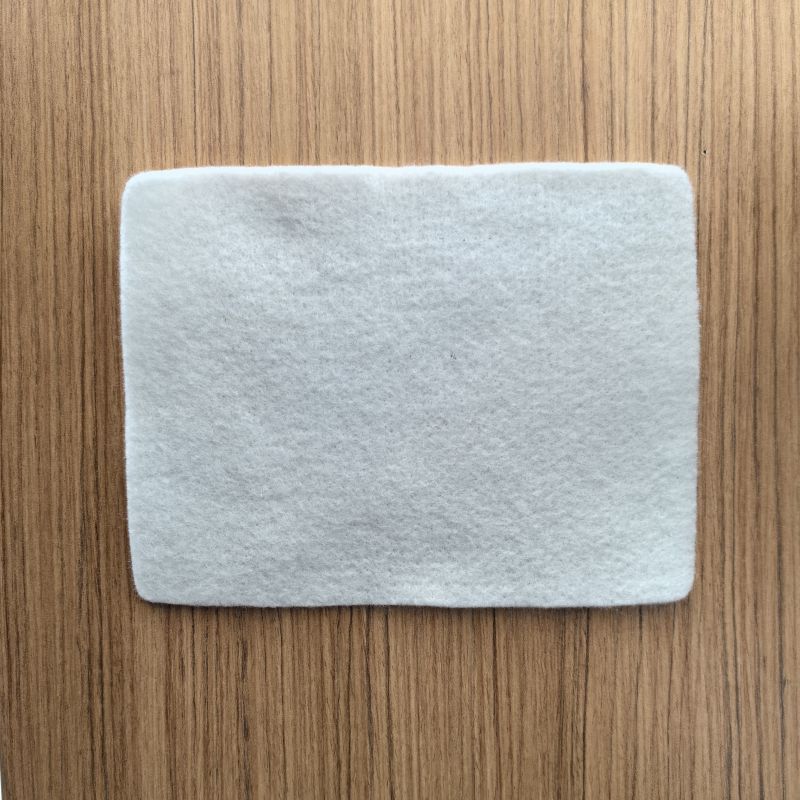
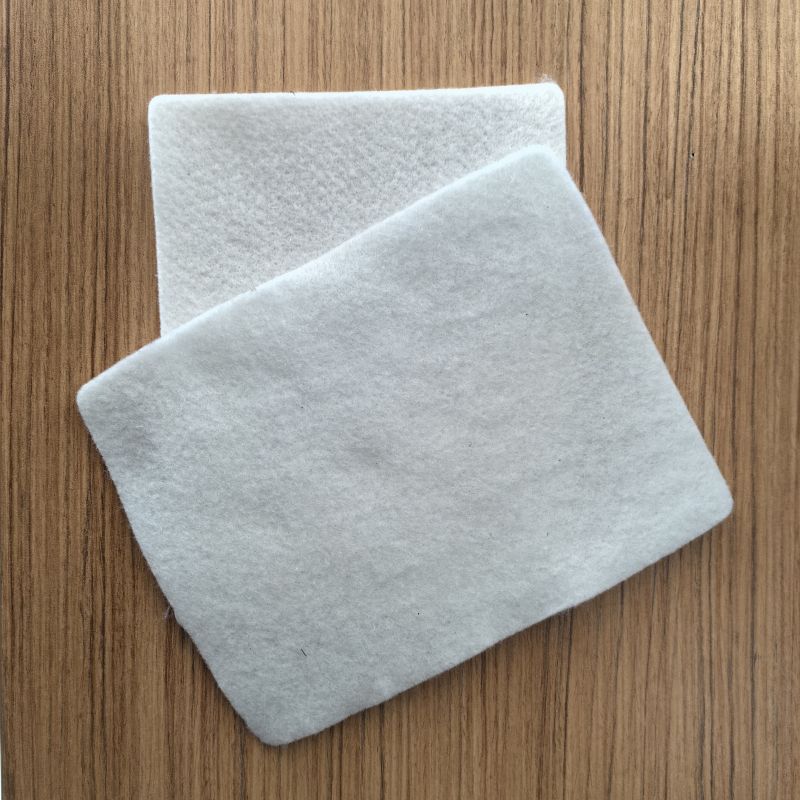
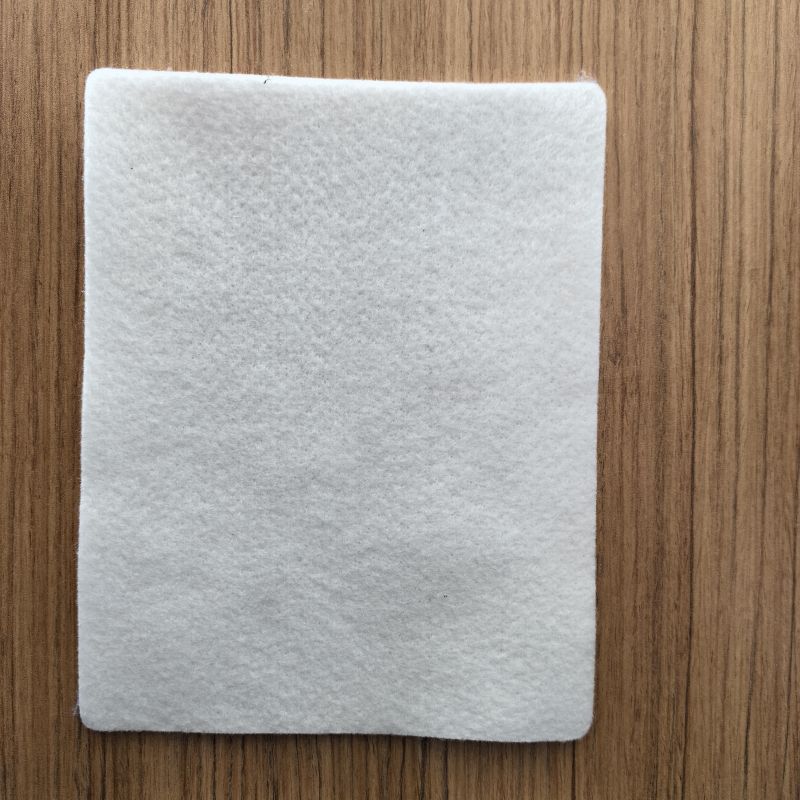
Short Fiber Nonwoven Geotextile
Cost-Effective – Lower cost, ideal for large projects.
Excellent Filtration – Uniform pores filter soil, allow water flow.
Flexible Fit – Adapts to uneven terrain, no prep needed.
Resistant & Durable – UV, chemical, and bio-resistant.
Lightweight – Easy to transport and install.
Product Introduction
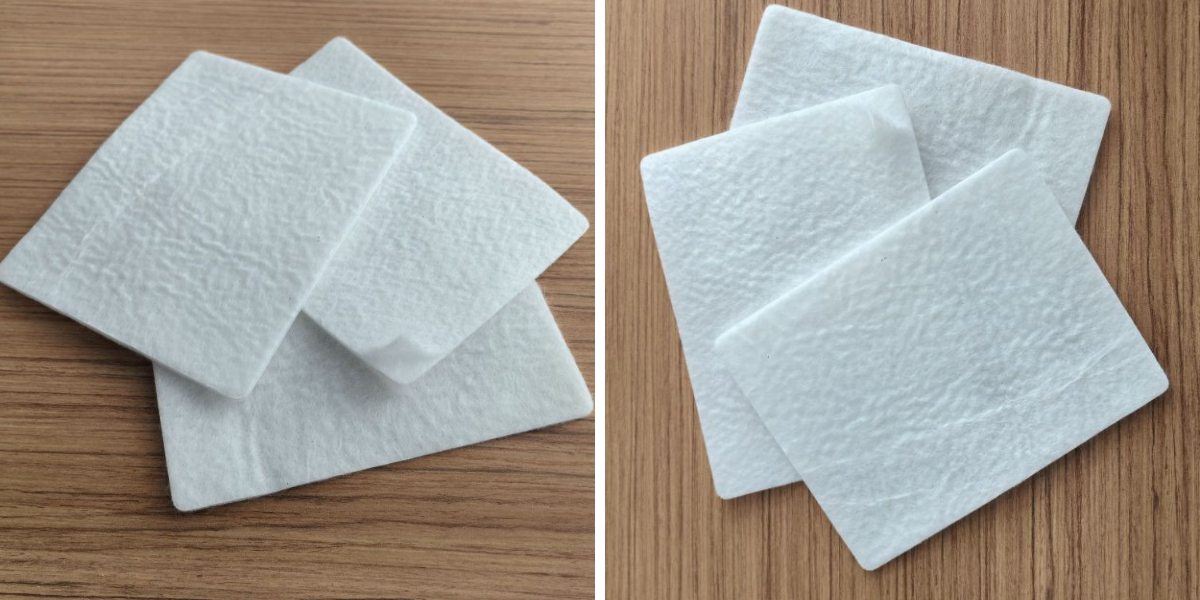
Staple fiber needle-punched nonwoven geotextiles are primarily composed of polypropylene or polyester short fibers. They are produced through processes such as opening, carding, disordering, web laying, and needle-punching. With a high porosity and excellent permeability, these geotextiles demonstrate superior filtration and drainage capabilities. They serve various functions including anti-seepage, filtration, drainage, separation, reinforcement, protection, and sealing. Widely applicable in projects such as railways, highways, sports arenas, dams, hydraulic engineering, coastal areas, land reclamation, and environmental protection, these geotextiles offer versatile solutions for a range of applications.
Product Specifications
Specifications | 100g/㎡ | 150g/㎡ | 200g/㎡ | 250g/㎡ | 300g/㎡ | 350g/㎡ | 400g/㎡ | 450g/㎡ | 500g/㎡ | 600g/㎡ | 800g/㎡ |
Break strength | 2.5KN/M | 4.5KN/M | 6.5KN/M | 8.0KN/M | 9.5KN/M | 11KN/M | 12.5KN/M | 14KN/M | 16KN/M | 19KN/M | 25KN/M |
Elongation at break(%) | 25-100 | ||||||||||
CBR(KN) | 0.3 | 0.6 | 0.9 | 1.2 | 1.5 | 1.8 | 2.1 | 2.4 | 2.7 | 3.2 | 4.0 |
Equivalent pore size090(O95).mm | 0.07-0.2 | ||||||||||
Vertical permeability coefficient(cm/s) | K×(0.1~0.001) | ||||||||||
Tear strength(KN) | 0.08 | 0.12 | 0.16 | 0.20 | 0.24 | 0.28 | 0.33 | 0.38 | 0.42 | 0.46 | 0.60 |
Product Performance
1), Excellent Permeability and Water Transmissivity:
Utilizing the good breathability and water permeability of the geotextile to allow water flow through, effectively trapping and preventing soil erosion.
2), Prevention of Mixing Between Layers:
Preventing the mixing of upper and lower layers of sand, soil, and concrete.
3), Effective Water Conduction:
The geotextile exhibits excellent water conduction, forming drainage channels within the soil structure to discharge excess liquid and gas.
4), Enhancement of Soil Strength and Deformation Resistance:
Strengthening the tensile strength and deformation resistance of the soil with the geotextile, enhancing the stability of construction structures and improving soil quality.
5), Effective Stress Distribution:
Effectively diffusing, transmitting, or decomposing concentrated stress to prevent soil damage under external forces.
6), High Permeability:
Maintaining good water permeability even under soil pressure.
7), Unclogging Mesh Design:
The non-clogging mesh structure formed by the irregular fiber organization provides flexibility and mobility, preventing mesh blockage.
8), Corrosion Resistance: Resistant to corrosion.
9), Simple Construction:
Lightweight, convenient to use, and easy to install, simplifying the construction process.
Application Scenarios
1). Road and Railway Construction
- Subgrade Stabilization:
- Separates soil layers to prevent intermixing of aggregates and subsoil, enhancing load distribution.
- Reduces rutting and prolongs pavement lifespan.
- Drainage Layers:
- Allows water to flow through while filtering out soil particles, preventing waterlogging in roadbeds and railway tracks.
2). Erosion Control
- Slope and Embankment Protection:
- Stabilizes soil on slopes, riverbanks, or coastal areas to prevent erosion caused by water or wind.
- Often used with vegetation (e.g., turf reinforcement mats).
- Retaining Walls:
- Filters water behind walls to reduce hydrostatic pressure and prevent soil washout.
3). Landfill and Waste Management
- Leachate Collection Systems:
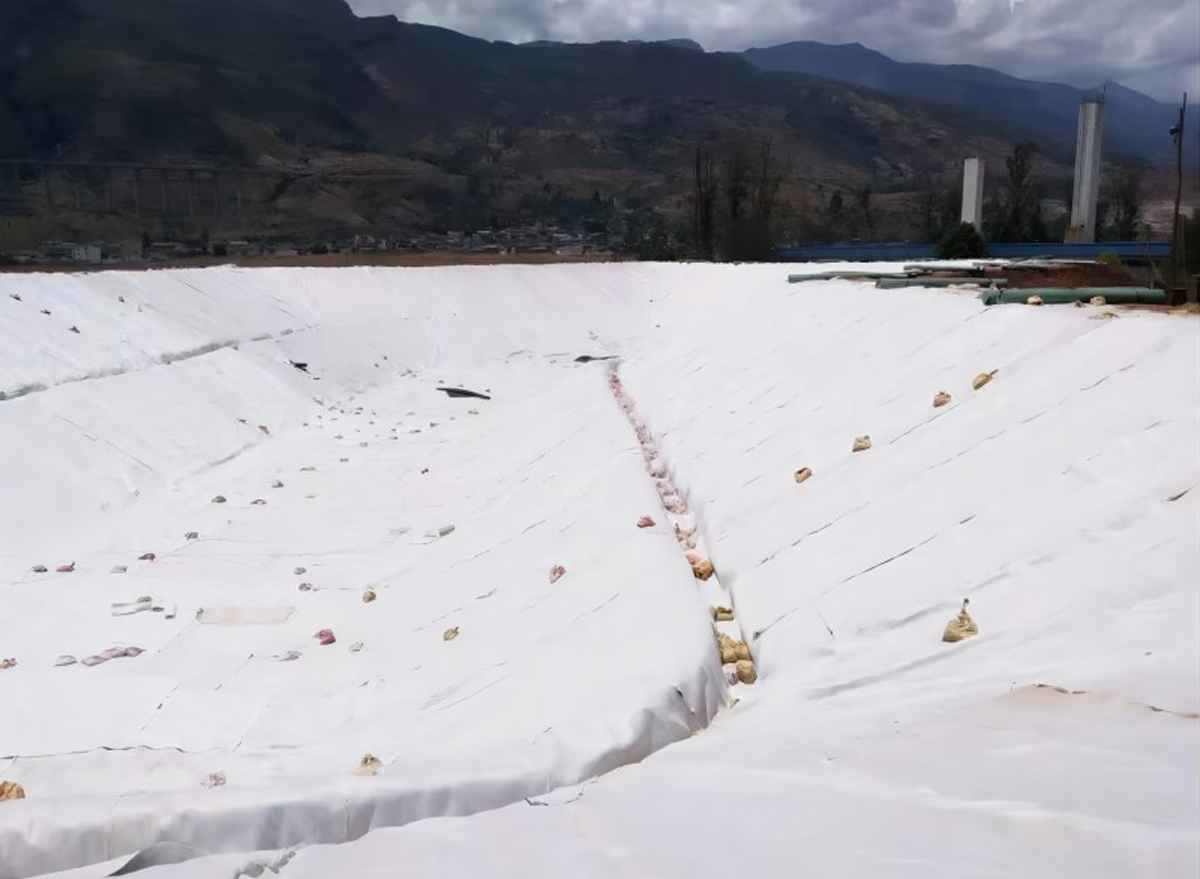
- Acts as a filtration layer in landfill liners to protect geomembranes from punctures and clogging.
- Filters contaminants while allowing leachate to drain into collection pipes.
- Landfill Covers**:
- Supports vegetative growth on final landfill caps while permitting gas venting.
4). Agriculture and Landscaping
- Subsurface Drainage:
- Installed in agricultural fields to remove excess water, preventing root rot and soil salinization.
- Pond and Canal Liners**:
- Separates soil from liners while filtering sediment in irrigation ponds or aquaculture systems.
- Green Roofs:
- Provides lightweight drainage and root protection in urban green infrastructure.
5). Hydraulic and Coastal Engineering
- River Revêtments:
- Underlayer for riprap or gabions to filter water and retain soil.
- Drainage Behind Structures:
- Used in dams, canals, and seawalls to manage seepage and reduce erosion.
6). Mining and Industrial Sites
- Sedimentation Ponds:
- Filters fine particles from runoff water in mining operations.
- Tailings Management:
- Stabilizes and separates mining waste materials in containment ponds.
7). Temporary Erosion Control
- Construction Sites:
- Protects exposed soil from erosion during grading or excavation (e.g., silt fences, mulch nets).
Why choose Haoyang Geomembrane?
1. Imported Raw Materials
High-quality raw materials sourced from **Saudi Arabia** ensure superior product performance and consistency from the source.
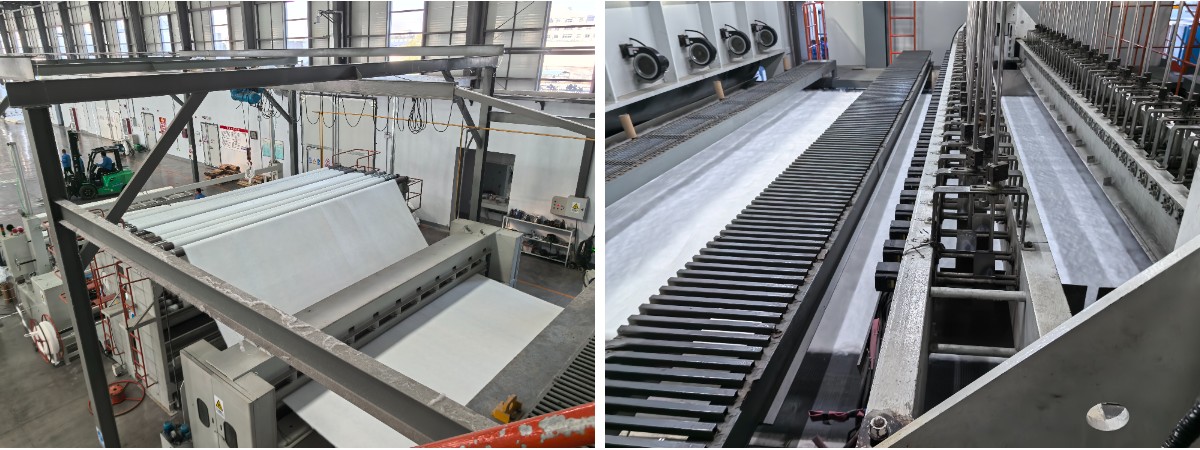
2. World-Leading 10m Blown Film Production Line
Equipped with advanced five-layer co-extrusion technology, capable of producing both smooth and textured geomembranes with a maximum width of 10 meters.
3. Direct-from-Factory Production
As a manufacturer, we guarantee premium quality while offering the most competitive prices by eliminating middlemen.
4. Fast Delivery
High daily output of 70 tons ensures timely delivery to meet urgent project timelines.
5. One-Stop Solution
Beyond manufacturing and sales, we provide **professional project construction teams** to deliver end-to-end solutions for seamless project execution.