Español
 Francés
 Русский
 Indonesia
 العربية
 Português
 Deutsch
 ไทย
ไทย
 Pilipino


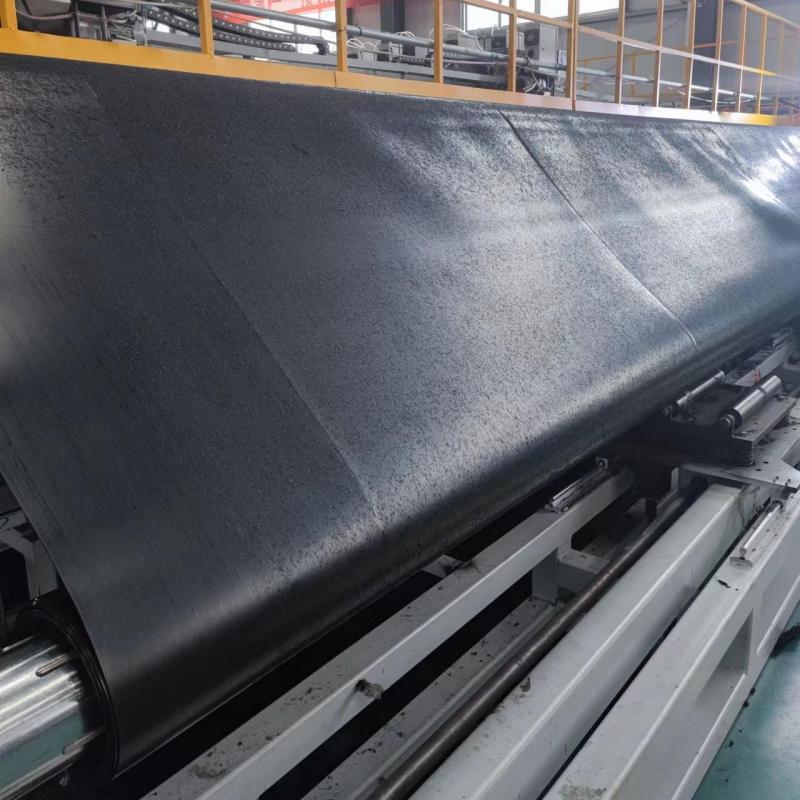
Geomembrane Sheet
1. Geomembrane sheet provides superior impermeability, effectively preventing liquid and gas migration in containment systems such as landfills, ponds, and reservoirs.
2. Engineered with high tensile strength and flexibility, it ensures excellent resistance to puncture, stress, and ground settlement.
3. Made from HDPE or similar polymers, geomembrane sheets offer strong UV stability and chemical resistance for long-term outdoor performance.
4. Easy installation with welding technology reduces seams and labor, delivering a cost-efficient, low-maintenance containment solution.
Geomembrane Sheet: Complete Guide to Performance, Applications and Lifecycle Value
Anyone involved in hydraulic engineering, waste management, or mining containment knows one thing very clearly: seepage control is never as simple as it looks on paper. Persistent leakage, soil contamination, and premature liner failure are still common issues in many projects, especially when outdated materials are used. This is exactly why geomembrane sheet has evolved from a niche geosynthetic product into a core component of modern containment systems.
This guide walks through what geomembrane sheet is, how it performs, where it is used, and how to select the right solution for long-term value.
I. Geomembrane Sheet: Definition, Role, and Market Relevance
1. What Is a Geomembrane Sheet
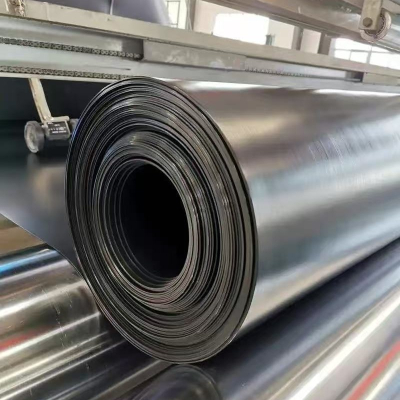
A geomembrane sheet is a synthetic impermeable liner designed for geotechnical and environmental containment. Most commonly manufactured from high-density polyethylene, it functions as a barrier that prevents liquid seepage and gas migration within soil structures.
Today, geomembrane sheet is widely used in landfills, mining tailings ponds, reservoirs, aquaculture farms, and environmental protection projects. In many cases, it is no longer optional but a standard engineering requirement.
2. Why Geomembrane Sheet Is Widely Adopted
Compared with traditional materials like clay or compacted soil, geomembrane sheet offers clear advantages that directly address real project challenges:
(1) Extremely low permeability that far exceeds natural soil materials
(2) Strong durability under UV exposure and environmental stress
(3) Flexibility to adapt to various containment applications
Table 1: Permeability Comparison
Material | Permeability Coefficient (m/s) | Performance |
Clay soil | 10^-7 to 10^-9 | Moderate, affected by drying |
Compacted soil | 10^-6 to 10^-8 | Low stability under pressure |
Geomembrane sheet (HDPE) | < 10^-13 | Near-zero seepage |
This massive difference explains why engineers increasingly replace traditional lining systems with geomembrane sheet.
With the fundamentals clear, the next step is understanding what makes a geomembrane sheet perform reliably over time.
II. Key Performance Characteristics of Geomembrane Sheet
Before choosing a product, it is important to look beyond “waterproofing” and focus on full performance capability.
1. Mechanical Strength and Flexibility
During installation, geomembrane sheet is exposed to stretching, friction, and uneven subgrades. After installation, it must handle long-term settlement and pressure.
HDPE geomembrane balances strength and flexibility, allowing it to absorb stress without cracking.
Table 2: Typical Mechanical Properties (GRI GM13)
Property | Value |
Tensile strength at yield | ≥ 15 kN/m |
Tensile strength at break | ≥ 27 kN/m |
Elongation at break | ≥ 700% |
Puncture resistance | ≥ 480 N |
2. Chemical and UV Resistance
Environmental exposure is one of the main reasons for liner failure. Geomembrane sheet solves this through:
(1) Resistance to acids, alkalis, and industrial liquids
(2) Carbon black content of 2.0–3.0% to improve UV stability
3. Long-Term Durability
Field data and industry reports show that HDPE geomembrane sheet can last 20 to 50 years under proper conditions.
At this point, the performance advantages are clear. But performance alone is not enough. What really matters is how these benefits solve real project problems.
III. Application Scenarios and Customer Pain Points
Let’s move from theory to practice. Different industries face different challenges, and geomembrane sheet addresses each one in a targeted way.
1. Landfill and Waste Containment
Pain Point: Leachate from waste can contaminate groundwater, creating serious environmental risks.
Solution: Geomembrane sheet forms a sealed barrier that prevents leakage and ensures compliance with environmental regulations.
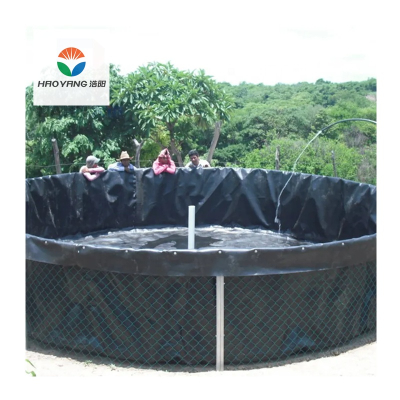
2. Water Reservoirs and Aquaculture
Pain Point: Seepage leads to continuous water loss and unstable water levels.
Solution: Geomembrane sheet minimizes seepage and improves water retention efficiency, which is especially important in water-scarce regions.
3. Mining and Industrial Projects
Pain Point: Exposure to aggressive chemicals and strict environmental standards.
Solution: HDPE geomembrane sheet provides strong chemical resistance and stable performance under pressure.
Table 3: Recommended Thickness by Application
Application | Thickness Range |
1.5 – 2.0 mm | |
Reservoir | 1.0 – 1.5 mm |
Aquaculture pond | 0.5 – 1.0 mm |
Mining | 1.5 – 2.5 mm |
Choosing the correct thickness is critical. Too thin creates risk, while too thick increases unnecessary cost.
Once the right specification is selected, installation becomes the next key factor.
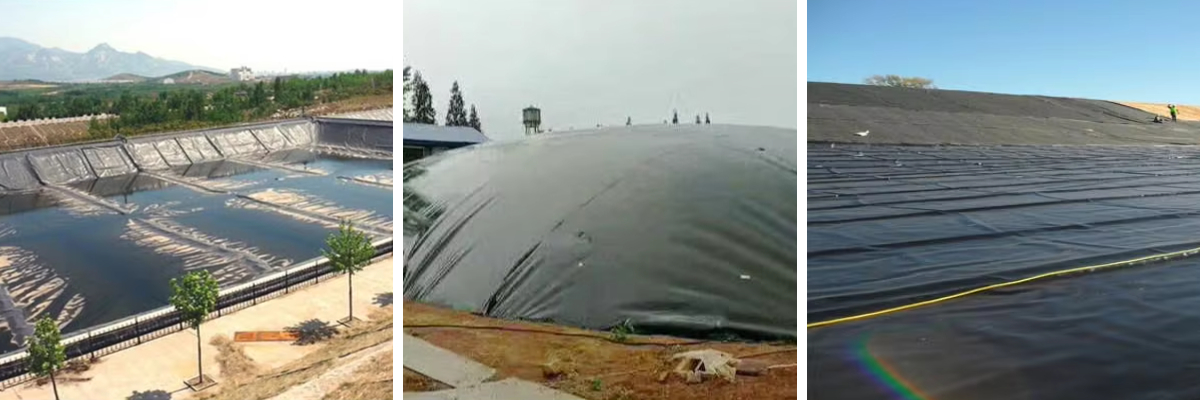
IV. Installation Efficiency and Quality Control
Even the best geomembrane sheet will fail if installation is poorly executed. Fortunately, modern geomembranes are designed for efficient construction.
1. Installation Advantages
(1) Wide roll widths reduce seam quantity
(2) Flexible material adapts to uneven surfaces
2. Welding and Seaming
Hot wedge welding and extrusion welding are standard methods used to create strong, leak-proof seams.
Table 4: Quality Control Methods
Test Method | Purpose |
Air pressure test | Detect seam leakage |
Vacuum test | Surface inspection |
Peel test | Verify weld strength |
3. Impact on Project Cost
Efficient installation reduces labor costs and minimizes future repair work. In many cases, installation quality has a greater impact on total cost than material price.
With proper installation in place, the real value of geomembrane sheet becomes visible over time.
V. Lifecycle Value and Long-Term Cost Efficiency
Many buyers focus heavily on initial cost, but experienced project managers take a broader view.
1. Long-Term Performance
(1) Minimal maintenance requirements
(2) Stable performance under environmental stress
(3) Reduced risk of failure
2. Lifecycle Cost Comparison
Table 5: Lifecycle Comparison
Factor | Traditional Method | Geomembrane Sheet |
Lifespan | Short | Long |
Maintenance | Frequent | Minimal |
Seepage control | Moderate | Excellent |
Risk level | High | Low |
Although geomembrane sheet may cost more upfront, it reduces long-term expenses significantly.
As sustainability and environmental regulations become stricter, lifecycle value is now a key decision factor.
VI. Practical Selection Strategy for Geomembrane Sheet
So how do you choose the right geomembrane sheet for your project? The process can be simplified into three key steps.
1. Select the Right Material
HDPE remains the most widely used option due to its balance of strength, flexibility, and chemical resistance.
2. Match Specification to Application
Avoid overdesign and underdesign by considering actual site conditions, including pressure, soil quality, and chemical exposure.
3. Choose a Reliable Supplier
A qualified supplier ensures consistent product quality, proper testing, and technical support throughout the project.
VII. Conclusion: Why Geomembrane Sheet Matters
Geomembrane sheet is far more than a simple lining material. It plays a critical role in protecting water resources, ensuring environmental safety, and improving project reliability.
From small aquaculture ponds to large-scale mining operations, a properly selected geomembrane sheet reduces risk, lowers maintenance costs, and ensures long-term performance.
Instead of focusing only on upfront price, successful projects prioritize durability, installation quality, and lifecycle value.
In the end, choosing the right geomembrane sheet is not just about solving today’s problem. It is about preventing tomorrow’s failures.