Español
 Francés
 Русский
 Indonesia
 العربية
 Português
 Deutsch
 ไทย
ไทย
 Pilipino


30 Mil HDPE Liner
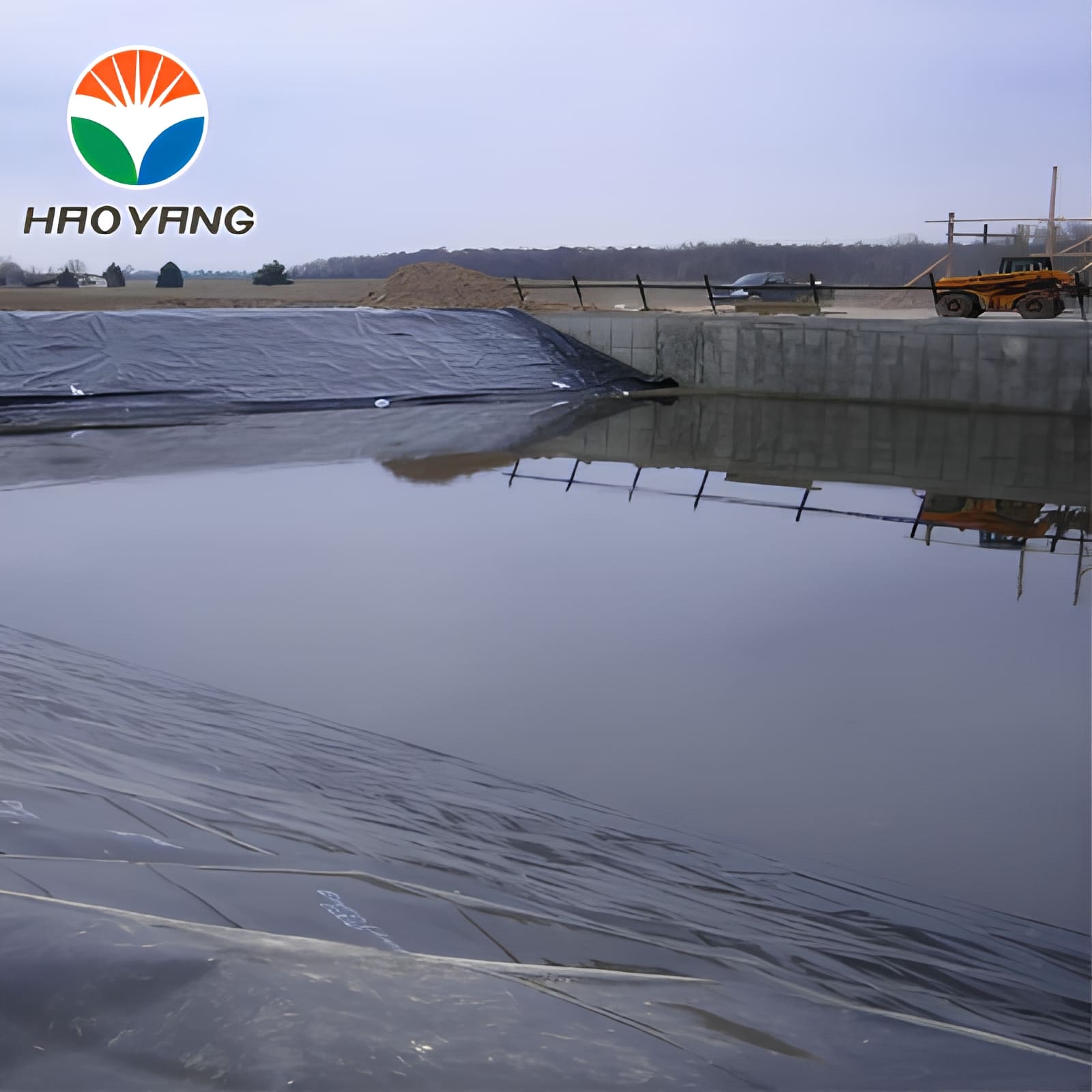
1. 30 mil HDPE liner delivers reliable impermeability, effectively preventing water seepage in ponds, canals, and secondary containment applications.
2. Designed for flexibility and ease of handling, it offers excellent conformity to subgrades, reducing installation complexity and time.
3. With strong UV resistance and chemical stability, the 30 mil HDPE liner performs well in outdoor and light industrial environments.
4. Its lightweight yet durable structure provides a cost-effective balance between performance and affordability, ideal for medium-duty projects.
30 Mil HDPE Liner: Practical Guide to Performance, Applications, and Cost Efficiency
In many containment projects, the question is not whether to use a liner, but which thickness delivers the right balance between performance and cost. The 30 mil HDPE liner has become a popular choice for medium-duty applications where flexibility, affordability, and reliable impermeability are all required.
This guide explains what a 30 mil HDPE liner is, how it performs, where it works best, and how to make the right selection for long-term value.
I. Understanding 30 Mil HDPE Liner and Its Role
1. What Does 30 Mil HDPE Liner Mean
A 30 mil HDPE liner refers to a high-density polyethylene geomembrane with a thickness of 30 mil, equivalent to 0.75 mm. It is classified as a medium-thickness liner, positioned between lightweight pond liners and heavy-duty industrial geomembranes.
2. Where It Fits in the Geomembrane Range
Geomembrane liners are typically available from 20 mil (0.5 mm) up to 100 mil (2.5 mm). The 30 mil HDPE liner sits in a practical middle range.
Table 1: Thickness Comparison
Thickness (mil) | Thickness (mm) | Typical Use |
20 mil | 0.5 mm | Light-duty ponds |
30 mil | 0.75 mm | Medium-duty containment |
40–60 mil | 1.0–1.5 mm | Reservoirs, landfills |
80–100 mil | 2.0–2.5 mm | Mining, heavy industrial |
Because of this positioning, 30 mil HDPE liner is often selected when projects require better durability than thin liners but do not justify the cost of heavy-duty geomembranes.
Before looking at applications, it is important to understand how this thickness performs mechanically and chemically.
II. Performance Characteristics of 30 Mil HDPE Liner
1. Impermeability and Seepage Control
Like all HDPE geomembranes, the 30 mil liner offers extremely low permeability.
(1) Typical permeability coefficient: < 1×10^-13 m/s
(2) Effectively eliminates water loss in lined systems
Compared to natural soil, this represents several orders of magnitude improvement.
2. Mechanical Properties
Table 2: Typical Properties Based on HDPE Standards
Property | Typical Value |
Tensile strength at yield | ≥ 15 kN/m |
Elongation at break | ≥ 700% |
Puncture resistance | ≥ 480 N |
These values indicate that even at 30 mil thickness, the liner can withstand moderate stress and deformation.
3. UV and Chemical Resistance
(1) Carbon black content between 2.0–3.0% improves UV stability
(2) Resistant to acids, alkalis, and most common chemicals
This makes the 30 mil HDPE liner suitable for outdoor applications with moderate chemical exposure.
With performance clarified, the next step is understanding where this liner performs best in real-world conditions.
III. Application Scenarios and Buyer Considerations
The 30 mil HDPE liner is not designed for every project. Its value lies in matching the right application to its capabilities.
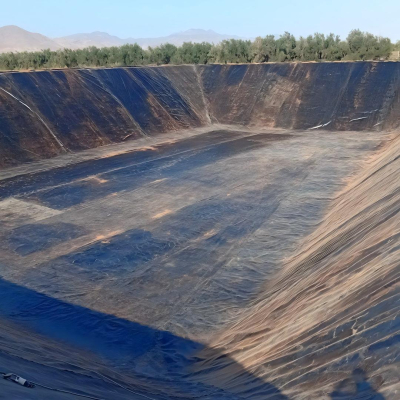
1. Agricultural Ponds and Irrigation Systems
Pain Point: Water seepage leads to resource loss and inefficiency
Solution: 30 mil HDPE liner provides a cost-effective barrier that reduces seepage while remaining easy to install over large areas.
2. Decorative and Landscape Water Features
Pain Point: Need for flexible, smooth lining without excessive cost
Solution: The liner conforms well to shapes and reduces installation complexity.
3. Secondary Containment Systems
Pain Point: Risk of leaks from tanks or equipment
Solution: Provides a protective barrier to contain accidental spills.
Table 3: Suitable Applications for 30 Mil HDPE Liner
Application | Suitability |
Irrigation pond | High |
Aquaculture pond | Medium |
Low | |
Mining containment | Not recommended |
Choosing the right application is critical. Using a 30 mil liner in heavy-duty environments can lead to premature failure.
Now that applications are clear, installation becomes the next important factor.
IV. Installation Efficiency and Cost Impact
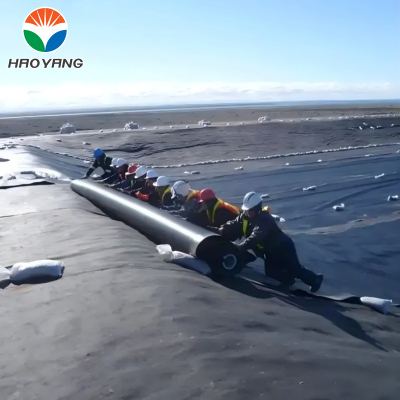
1. Ease of Handling
(1) Lighter weight compared to thicker geomembranes
(2) Easier transportation and on-site deployment
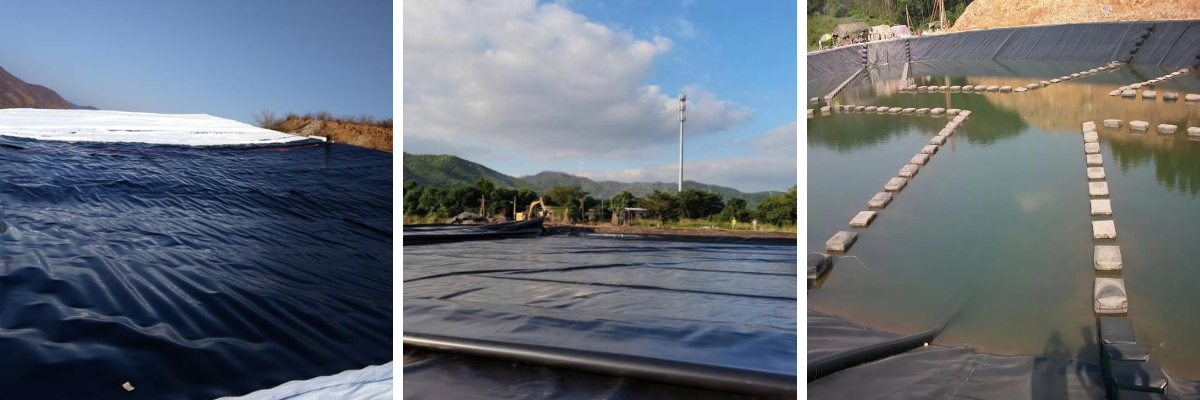
2. Installation Benefits
(1) Faster laying speed reduces labor time
(2) Flexible material adapts to uneven subgrades
Table 4: Installation Comparison
Factor | 30 Mil Liner | Thick Liner |
Weight | Lower | Higher |
Installation speed | Faster | Slower |
Labor cost | Lower | Higher |
3. Seaming and Quality Control
Standard welding methods such as hot wedge welding are used to join sheets.
4. Common testing methods include:
(1) Air pressure testing
(2) Vacuum testing
(3) Peel strength testing
Efficient installation directly reduces project cost and improves reliability.
Once installed properly, the focus shifts to long-term performance and cost efficiency.
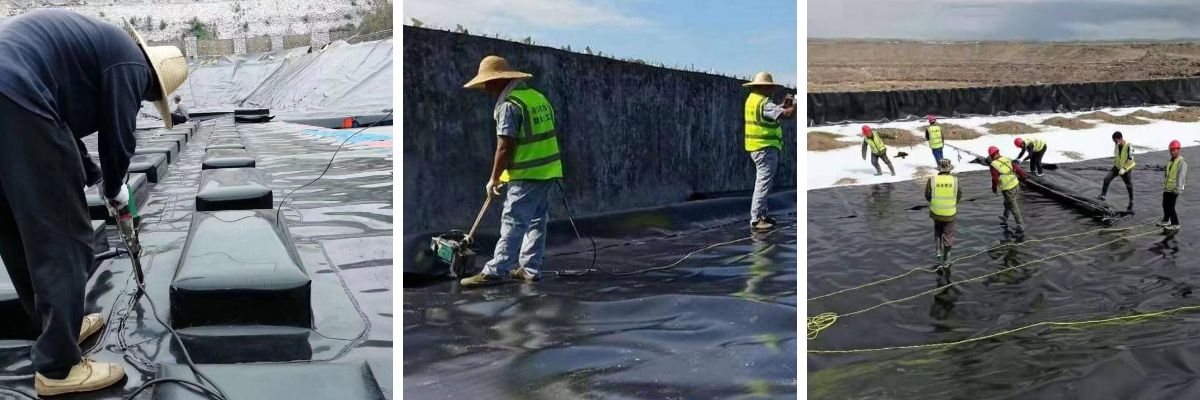
V. Lifecycle Value and Cost Efficiency
1. Cost vs Performance Balance
The 30 mil HDPE liner is often chosen because it offers a balance between affordability and durability.
(1) Lower upfront cost than thicker liners
(2) Adequate lifespan for medium-duty applications
2. Lifecycle Considerations
Table 5: Lifecycle Comparison
Factor | 30 Mil Liner | Heavy-Duty Liner |
Initial cost | Lower | Higher |
Lifespan | Moderate | Long |
Maintenance | Low to moderate | Minimal |
Application range | Limited | Wide |
3. When It Is the Right Choice
The 30 mil HDPE liner is ideal when:
(1) Mechanical stress is moderate
(2) Chemical exposure is limited
(3) Budget constraints are important
Understanding these conditions helps avoid overdesign and unnecessary spending.
With lifecycle value in mind, selecting the right supplier becomes the final step.
VI. Practical Selection Strategy for 30 Mil HDPE Liner
1. Confirm Project Requirements
Always evaluate:
(1) Subgrade condition
(2) Load and pressure
(3) Environmental exposure
2. Avoid Common Mistakes
(1) Using 30 mil liner for heavy-duty mining projects
(2) Ignoring installation quality
(3) Choosing price over performance
3. Work with Reliable Manufacturers
A qualified supplier ensures:
(1) Consistent thickness and quality
(2) Compliance with international standards
(3) Technical support during installation
VII. Conclusion: Making the Right Decision
The 30 mil HDPE liner is not a one-size-fits-all solution, but when used correctly, it delivers excellent value. It combines reliable impermeability, flexibility, and cost efficiency for medium-duty applications such as irrigation ponds, landscaping, and secondary containment systems.
The key is simple: match the liner to the application.
By focusing on performance requirements, installation quality, and lifecycle value, you can ensure that your project benefits from the strengths of a 30 mil HDPE liner without taking unnecessary risks.
In the end, a well-chosen liner does more than control seepage. It protects your investment and keeps your project running smoothly for years.