Español
 Francés
 Русский
 Indonesia
 العربية
 Português
 Deutsch
 ไทย
ไทย
 Pilipino


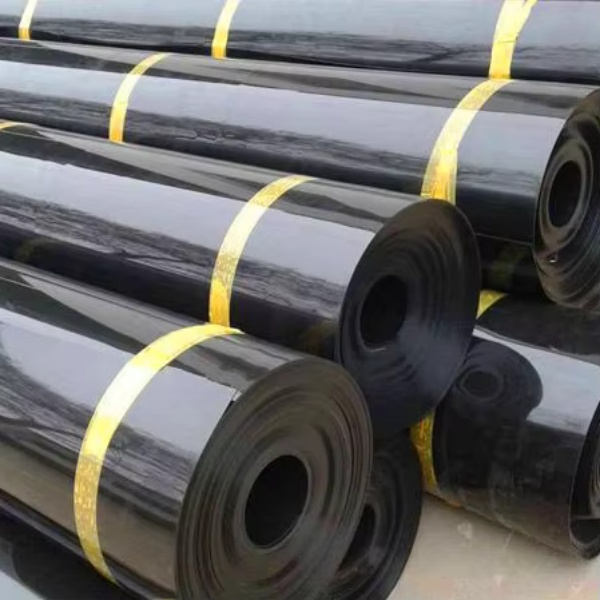
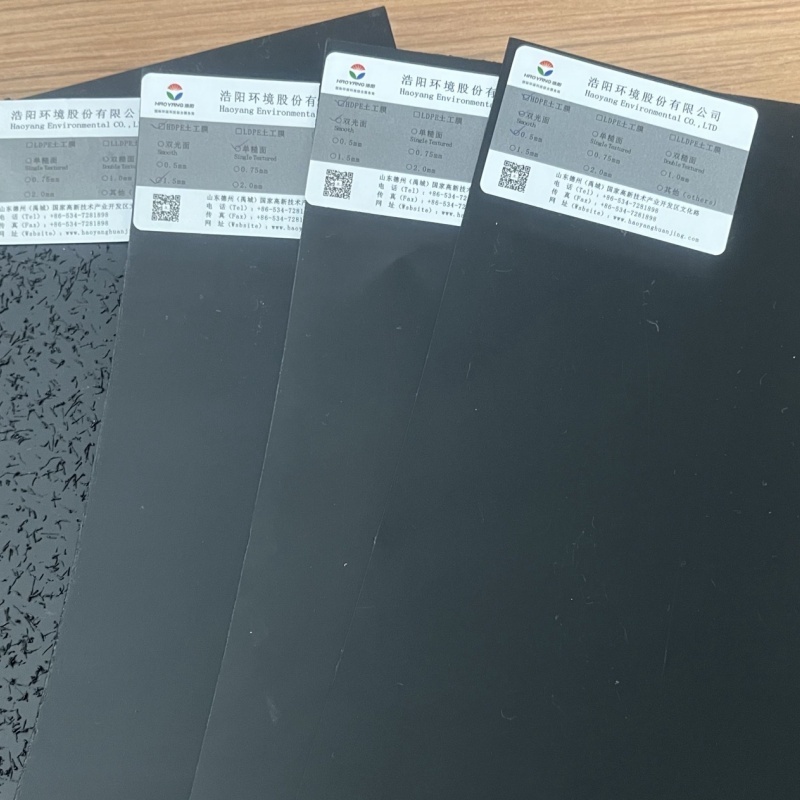
Classification of Geomembranes
1.Distinguish raw materials to clarify physical and chemical properties.
2.Match different engineering scenes and construction environments accurately.
3.Standardize product quality and unified industry inspection standards.
4.Optimize selection to reduce project cost and improve construction efficiency.
5.Facilitate production arrangement, sales management and technical communication.
Classification of Geomembranes
Abstract: Geomembranes are core impermeable geosynthetic materials widely used in civil engineering, environmental protection and water conservancy projects. Reasonable classification of geomembranes helps engineers select suitable products, optimize construction plans and control project costs. This article systematically classifies geomembranes from eight dimensions with hierarchical structure, explaining core characteristics, applicable scenarios and industry values to provide professional reference for industry practitioners.
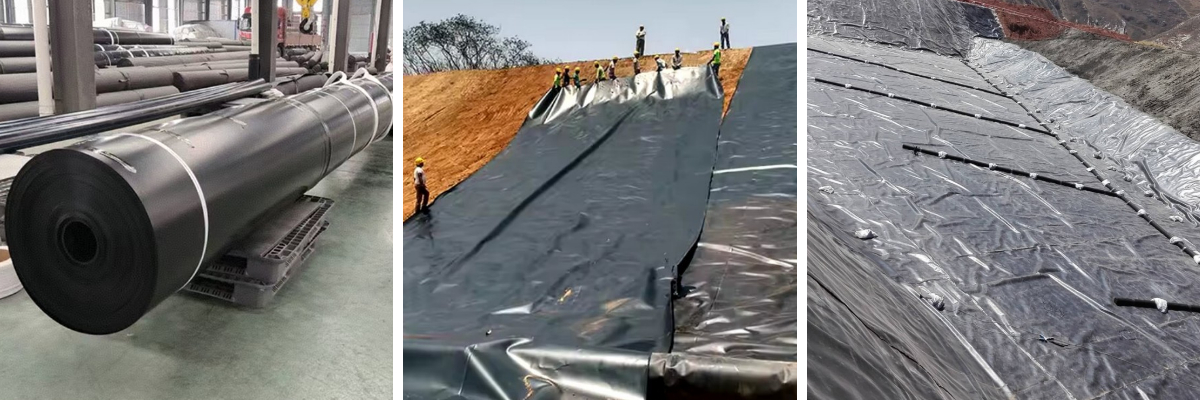
Ⅰ. Basic Overview of Geomembrane Classification
1.1 Classification Definition
1.1.1 Core Concept
Geomembrane classification refers to the standardized grouping of waterproof polymer barrier membranes based on inherent attributes and external application indicators. It sorts out diverse geomembrane products with messy specifications in the market to form a clear product system. This classification method focuses on industrial standardization and practical engineering applicability.
1.2 Classification Significance
1.2.1 Industrial Application Value
Scientific classification simplifies product selection, avoids material waste caused by improper matching, and unifies industry detection standards. It also facilitates production scheduling, sales management and technical communication. For SEO users, clear classification logic improves information retrieval efficiency for engineering purchasers and technicians.
Ⅱ. Classification by Raw Material Composition
2.1 Polyethylene Series
2.1.1 Common Material Types
This series includes HDPE, LDPE and LLDPE geomembranes. HDPE features high corrosion resistance and tensile strength, while LDPE has excellent flexibility. LLDPE balances ductility and toughness. These polymer materials dominate the geomembrane market due to stable chemical properties and low production costs.
2.2 Special Polymer Materials
2.2.1 PVC & EVA Geomembrane
PVC geomembrane is easy to weld and install for simple water storage projects. EVA geomembrane performs well in low-temperature environments, widely used in tunnel waterproofing. Different raw materials directly determine weather resistance and service life, which is the primary classification basis for material selection.
Ⅲ. Classification by Structural Morphology
3.1 Single-Layer Geomembrane
3.1.1 Structural Characteristics
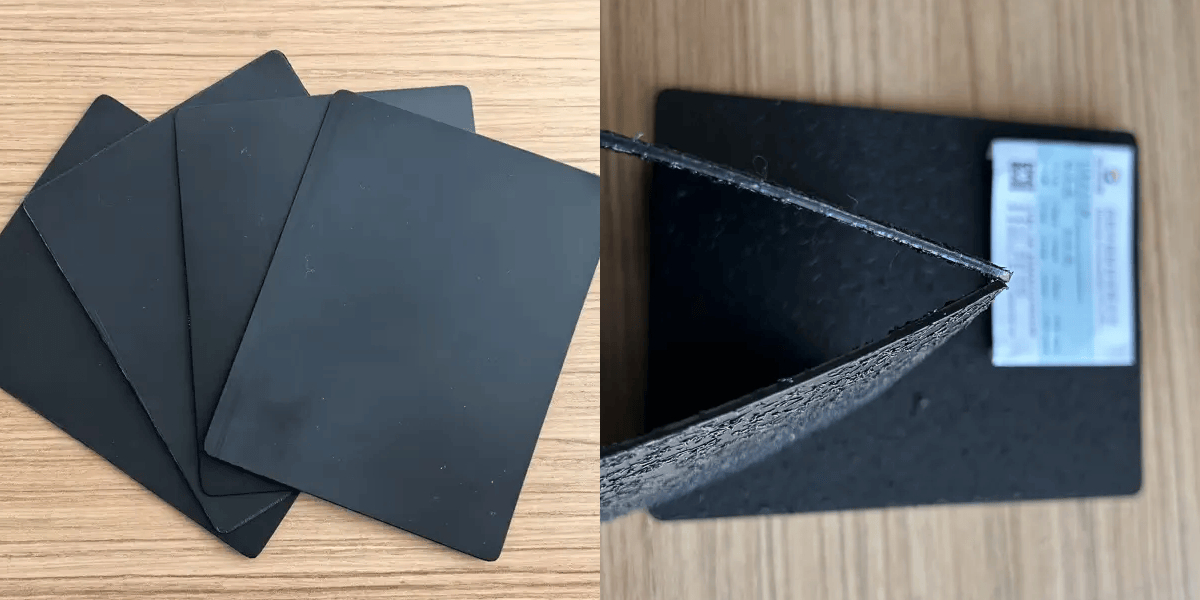
Single-layer geomembrane is an integral polymer film with simple structure, smooth surface and low cost. It focuses on basic anti-seepage function and is suitable for flat terrain with low mechanical requirements. Its lightweight property reduces transportation and laying difficulty in conventional engineering projects.
3.2.1 Composite Combination Forms
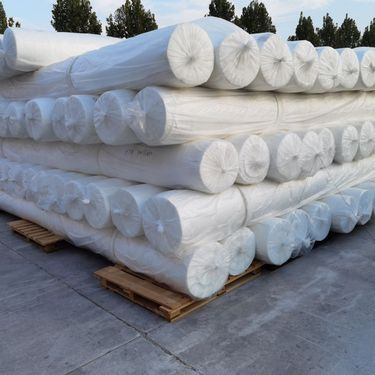
Composite geomembrane combines geomembrane with geotextile, including one-fabric-one-membrane and two-fabric-one-membrane types. The geotextile layer enhances friction and anti-tearing performance. This structure adapts to complex terrain and protects the membrane from sharp object damage during construction.
Ⅳ. Classification by Surface Texture
4.1.1 Applicable Working Conditions
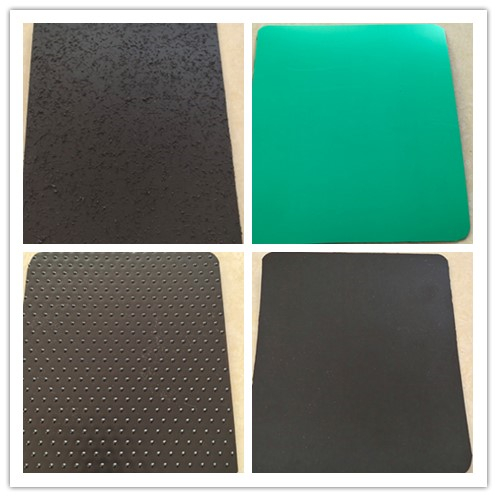
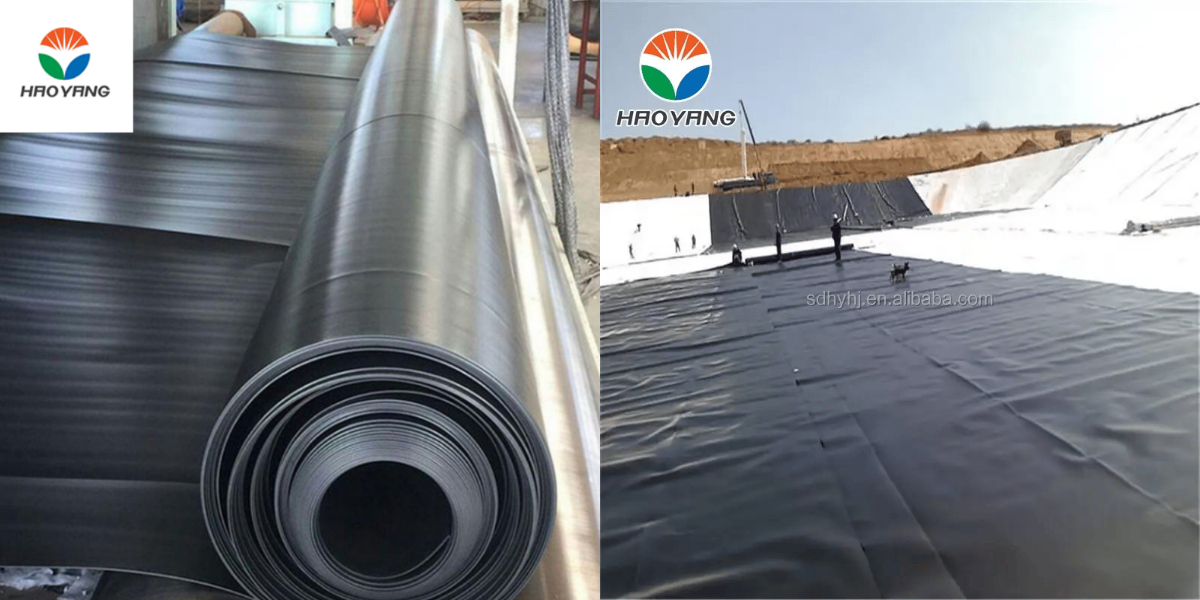
Smooth geomembrane has a flat and glossy surface with low friction coefficient. It is mainly applied to flat foundation projects such as reservoir bottoms and plain landfill liners. The smooth surface reduces fluid resistance and simplifies daily cleaning and maintenance of anti-seepage layers.
4.2.1 Anti-slip Performance Advantages
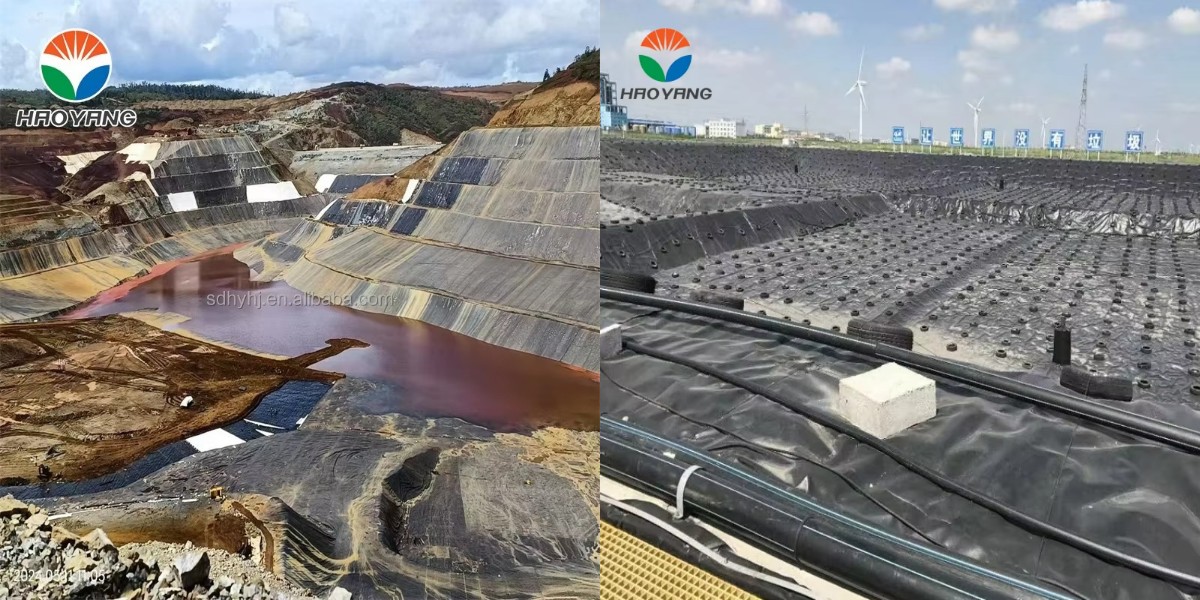
Textured geomembrane with rough concave-convex surfaces increases friction between soil and membrane. It is specially designed for steep slope projects such as mine slopes and tailings ponds. The anti-slip property effectively prevents membrane sliding and ensures structural stability of inclined engineering layers.
Ⅴ. Classification by Manufacturing Technology
5.1 Extrusion Blown Process
5.1.1 Process Features
Blown geomembrane is formed by melt blowing with uniform thickness and good ductility. The production process causes fewer material defects, suitable for thin-specification products. It has stable tensile uniformity and is favored in aquaculture and small water conservancy projects.
5.2 Calendering Molding Process
5.2.1 Thick Film Production Advantage
Calendered geomembrane is rolled and molded by high-precision rollers, featuring high density and strong compression resistance. It is suitable for thick anti-seepage membranes in landfills and chemical tanks. The finished product has stable density and excellent puncture resistance.
Ⅵ. Classification by Engineering Application
6.1 Environmental Protection Engineering Type
6.1.1 Waste Disposal Materials
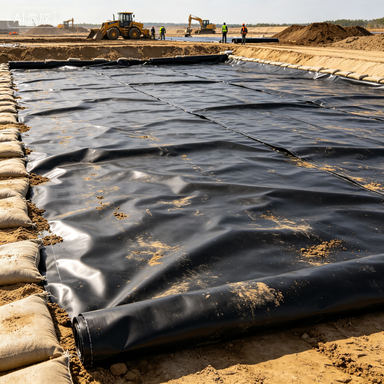
This type covers landfill and sewage treatment geomembranes, requiring high chemical corrosion resistance. It isolates harmful leachate to prevent soil and groundwater pollution. Strict environmental protection standards make it the core material of solid waste disposal projects.
6.2 Water Conservancy & Civil Type
6.2.1 Diversified Engineering Scenarios
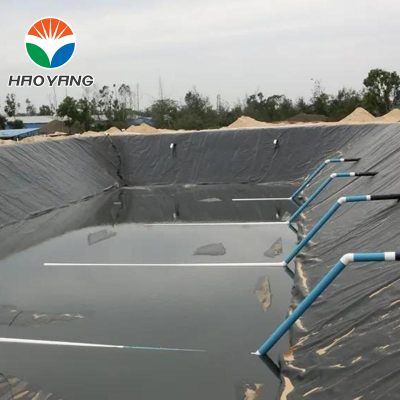
Water conservancy geomembranes are used in canals, reservoirs and dams, while civil types apply to road and tunnel waterproofing. These products focus on weather resistance and structural compatibility to adapt to long-term outdoor natural environment erosion.
Ⅶ. Classification by Quality Grade Standard
7.1 Industrial Premium Grade
7.1.1 High Standard Indicators
Premium geomembranes adopt virgin raw materials with no recycled additives. They have ultra-high tensile strength and anti-aging performance, serving permanent key projects such as chemical storage tanks and large landfills. The service life can reach more than 50 years.
7.2 Conventional Civil Grade
7.2.2 Cost-Effective Features
Civil-grade geomembranes mix moderate qualified recycled materials, meeting basic anti-seepage needs. It is widely used in temporary ponds, aquaculture and ordinary road projects. Balanced quality and price reduce investment cost for small and medium projects.
Ⅷ. Industry Application & Development Trend of Classification
8.1 Application Advantages of Classification System
8.1.1 Market Optimization Effect
A complete classification system standardizes geomembrane production, eliminates inferior products, and improves industry transparency. For SEO traffic, clear classification keywords enhance search ranking, helping buyers quickly locate targeted geomembrane products.
8.2 Future Classification Development Direction
8.2.1 Intelligent Classification Upgrade
With environmental upgrading, geomembrane classification will add environmental protection and degradable indicators. Intelligent classification labeling will realize digital product management. Diversified classification dimensions will further meet customized high-end engineering demands in the geosynthetic industry.