Español
 Francés
 Русский
 Indonesia
 العربية
 Português
 Deutsch
 ไทย
ไทย
 Pilipino


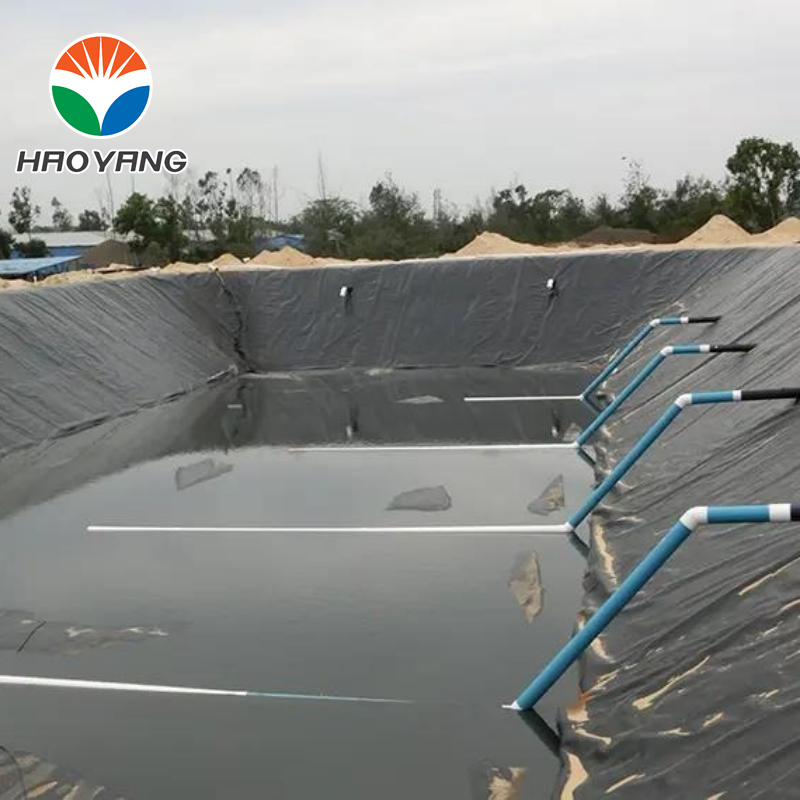
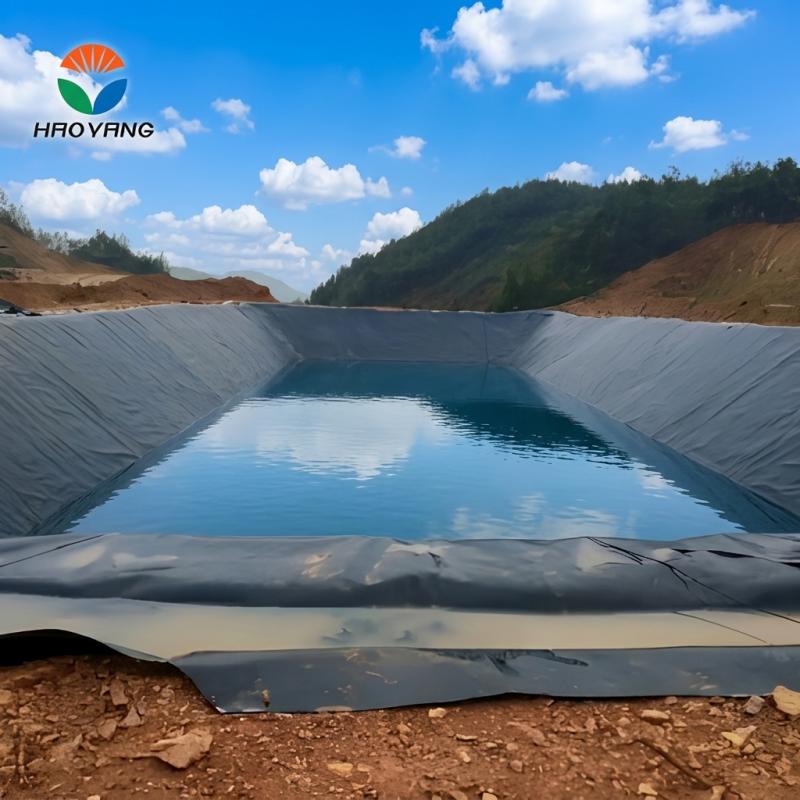
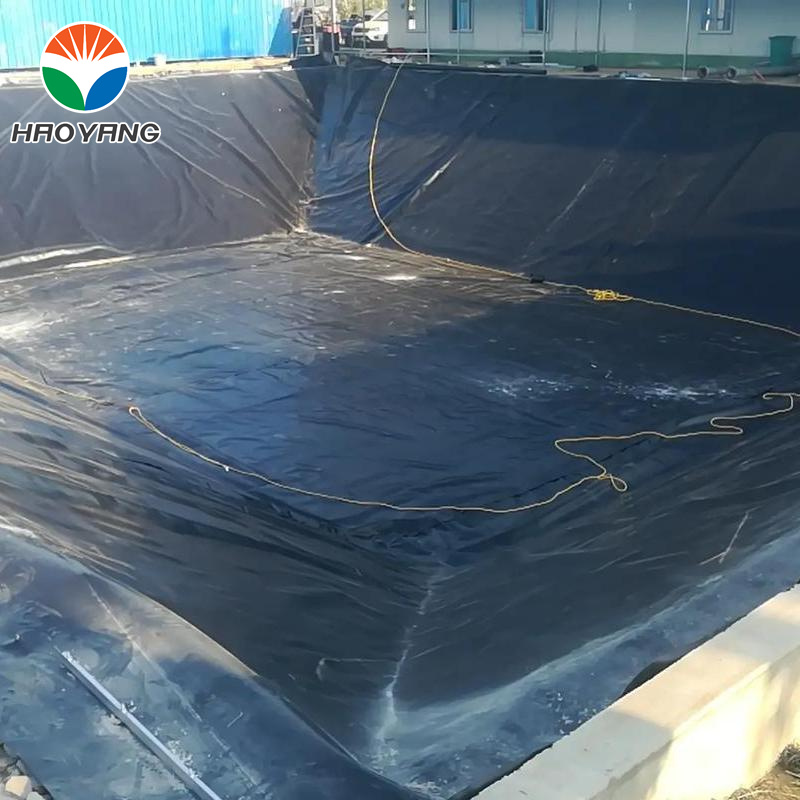
HDPE Pond Liner
1. HDPE pond liner ensures superior impermeability, effectively preventing water seepage and maintaining stable water levels in ponds and reservoirs.
2. Engineered with high tensile strength and flexibility, it offers excellent resistance to puncture, tearing, and ground movement.
3. With strong UV stability and weather resistance, HDPE pond liners perform reliably in long-term outdoor exposure.
4. Easy installation and low maintenance make it a cost-effective, durable solution for aquaculture, irrigation, and landscaping applications.
HDPE Pond Liner: Performance, Applications, and Long-Term Value Guide
Water retention sounds simple in theory, but in real projects, it is one of the most persistent challenges. Seepage, liner failure, and high maintenance costs often turn what should be a stable system into a long-term headache. This is exactly where HDPE pond liner proves its value.
Widely used in aquaculture, irrigation, and water storage, HDPE pond liner has become a go-to solution for reliable containment. In this guide, we will explore its performance, applications, installation considerations, and how it delivers real cost efficiency over time.
I. Understanding HDPE Pond Liner and Its Core Function
1. What Is an HDPE Pond Liner
An HDPE pond liner is a high-density polyethylene geomembrane designed to create an impermeable barrier in water containment systems. Its primary function is to prevent water loss through seepage and protect surrounding soil and groundwater.
Unlike traditional clay lining, HDPE pond liner provides consistent performance regardless of soil conditions, making it suitable for a wide range of environments.
2. Why HDPE Pond Liner Is Widely Used
(1) Extremely low permeability compared to natural soil
(2) Strong durability under UV exposure and weather conditions
(3) Flexible application across different industries
Table 1: Permeability Comparison
Material | Permeability Coefficient (m/s) | Performance |
Compacted clay | 10^-7 to 10^-9 | Moderate |
Sandy soil | 10^-5 to 10^-7 | Poor |
HDPE pond liner | < 10^-13 | Excellent |
This difference is not minor. It is the reason why many modern water projects now rely on geomembrane liners instead of traditional methods.
With this foundation established, it becomes important to understand how HDPE pond liner performs under real conditions.
II. Key Performance Characteristics of HDPE Pond Liner
Before selecting a liner, performance should be evaluated from multiple angles, not just impermeability.
1. Mechanical Strength and Flexibility
HDPE pond liner is designed to withstand installation stress and long-term ground movement.
Table 2: Typical Mechanical Properties (GRI GM13)
Property | Value |
Tensile strength at yield | ≥ 15 kN/m |
Tensile strength at break | ≥ 27 kN/m |
Elongation at break | ≥ 700% |
Puncture resistance | ≥ 480 N |
These values indicate that the liner can adapt to uneven subgrades without cracking or tearing.
2. UV Resistance and Weather Durability
(1) Carbon black content between 2.0–3.0% improves UV stability
(2) Suitable for long-term outdoor exposure
3. Chemical Resistance
HDPE pond liner is resistant to most acids, alkalis, and organic substances, making it suitable for both agricultural and light industrial applications.
With these properties clarified, the next step is to connect them to real-world applications.
III. Application Scenarios and Customer Pain Points
Now let’s move from specifications to practical use. Different applications bring different challenges, and HDPE pond liner addresses them effectively.
1. Aquaculture Ponds
Pain Point: Water leakage and unstable pond conditions
Solution: HDPE pond liner maintains consistent water levels and improves water quality management.
2. Agricultural Irrigation Reservoirs
Pain Point: Water loss and inefficient resource use
Solution: Reduces seepage significantly, helping farmers maximize water storage efficiency.
3. Landscape and Decorative Ponds
Pain Point: Need for durability and aesthetics
Solution: Flexible liner adapts to shapes while providing long-lasting performance.
Table 3: Recommended Thickness by Application
Application | Thickness Range |
Aquaculture pond | 0.5 – 1.0 mm |
Irrigation reservoir | 0.75 – 1.5 mm |
Landscape pond | 0.5 – 0.75 mm |
Choosing the correct thickness is essential. Too thin may reduce lifespan, while too thick may increase unnecessary cost.
With application scenarios in mind, installation becomes the next critical factor.
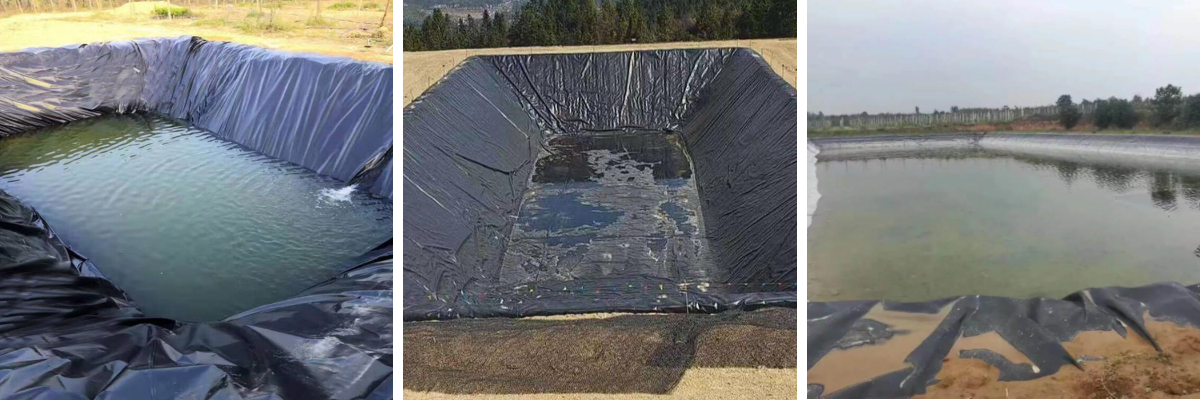
IV. Installation Efficiency and Quality Control
Even the best HDPE pond liner will not perform well if installation is poor. Fortunately, geomembrane technology makes installation relatively efficient.
1. Installation Advantages
(1) Large roll widths reduce seam quantity
(2) Flexible material conforms to uneven ground
2. Welding and Seaming Techniques
Hot wedge welding is commonly used to create strong, leak-proof seams.
Table 4: Quality Control Methods
Test Method | Purpose |
Air pressure test | Detect seam leaks |
Vacuum test | Surface inspection |
Peel test | Verify weld strength |
3. Impact on Project Cost
Efficient installation reduces labor time and minimizes the risk of future repairs, which directly impacts overall cost.
Once installation is completed correctly, the real value of HDPE pond liner becomes clear over time.
V. Lifecycle Value and Cost Efficiency
Many buyers focus only on upfront price, but experienced project managers look at the full lifecycle.
1. Long-Term Performance Benefits
(1) Minimal maintenance requirements
(2) Stable performance under environmental stress
(3) Reduced risk of leakage
2. Lifecycle Comparison
Table 5: Lifecycle Comparison
Factor | Traditional Lining | HDPE Pond Liner |
Lifespan | Short | Long |
Maintenance | Frequent | Minimal |
Seepage control | Moderate | Excellent |
Risk level | High | Low |
3. Cost Efficiency Over Time
Although HDPE pond liner may have a higher initial cost than soil-based solutions, it significantly reduces long-term expenses.
This lifecycle advantage is one of the main reasons for its widespread adoption.
With cost efficiency understood, selecting the right supplier becomes the final step.
VI. Practical Selection Strategy for HDPE Pond Liner
1. Match Material to Application
Select thickness and specifications based on actual project conditions, including water depth and subgrade quality.
2. Avoid Common Mistakes
(1) Choosing thickness based only on price
(2) Ignoring installation quality
(3) Using inappropriate materials for specific environments
3. Work with Reliable Suppliers
A qualified supplier ensures:
(1) Consistent product quality
(2) Compliance with international standards
(3) Technical support during installation
VII. Conclusion: Why HDPE Pond Liner Matters
HDPE pond liner is more than just a waterproof layer. It is a critical component in modern water management systems. From aquaculture to irrigation, it helps improve efficiency, reduce waste, and ensure long-term stability.
By focusing on performance, installation quality, and lifecycle value, project owners can move beyond short-term thinking and build systems that last.
In the end, the right HDPE pond liner does not just hold water. It protects your investment and keeps your project running smoothly for years.