Español
 Francés
 Русский
 Indonesia
 العربية
 Português
 Deutsch
 ไทย
ไทย
 Pilipino


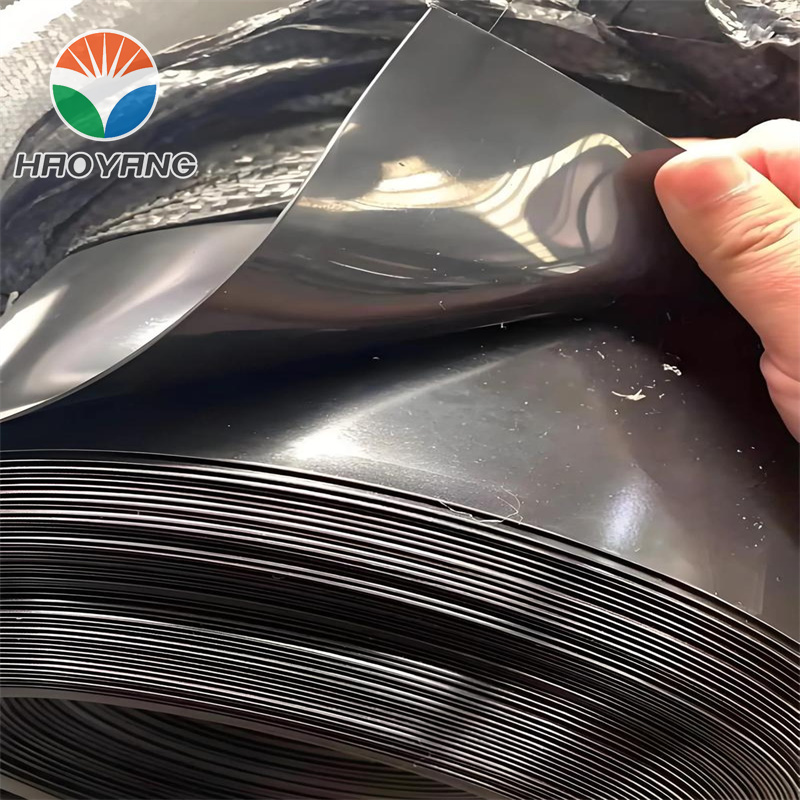
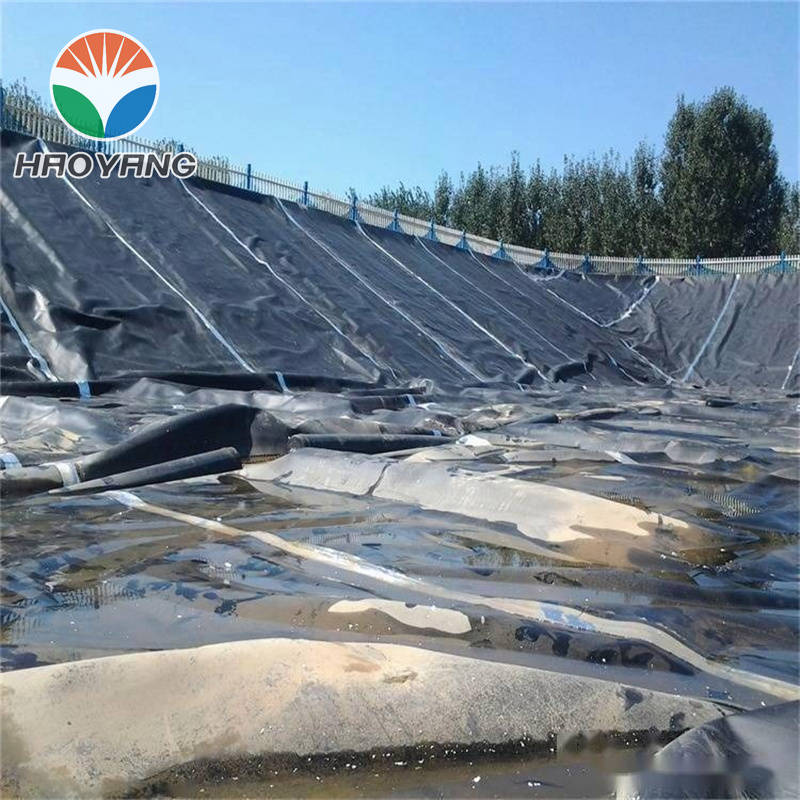
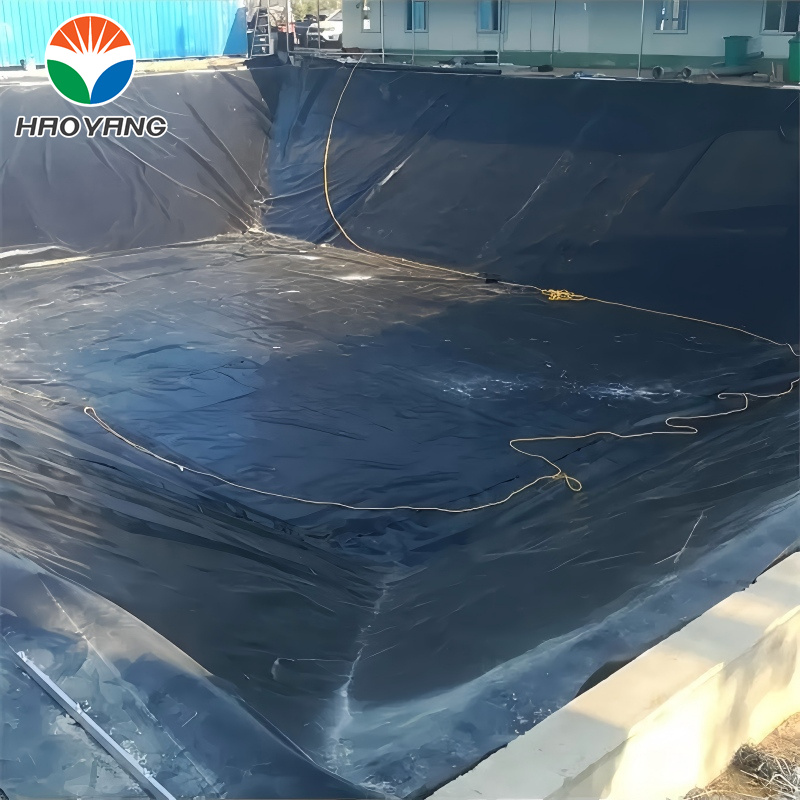
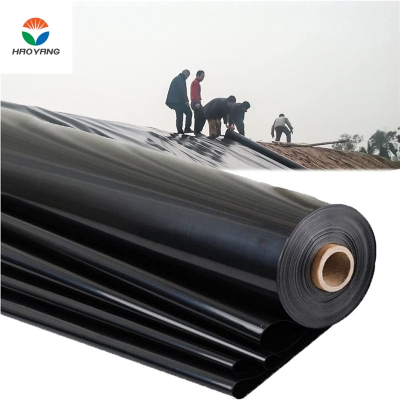
HDPE Liner Pond
1. Superior Pond Impermeability: HDPE Liner Pond delivers ≤1×10⁻¹³ cm/s permeability (ASTM D5084), locking in 99.9% water retention for koi ponds and agricultural water features.
2. Fish-Safe Durability: Non-toxic and UV-stabilized, it retains 88% tensile strength after 2000hrs exposure, safeguarding aquatic life long-term.
3. Terrain-Adaptable Design: 350%+ elongation (ASTM D6693) conforms to irregular pond shapes, resisting punctures from rocks and roots in backyard/industrial ponds.
4. Low-Maintenance Performance: Resists algae buildup and pond chemicals, requiring minimal upkeep for residential, commercial, and aquaculture pond applications.
HDPE Liner Pond: The Reliable Barrier for Healthy, Leak-Proof Water Features & Aquaculture
For pond owners—whether tending to a backyard koi pond, managing an aquaculture farm, or designing a commercial water feature—two critical pain points persist: costly water loss from leaks and threats to aquatic health from low-quality liners. HDPE Liner Pond solves both, combining industry-leading impermeability with fish-safe durability and practical adaptability. Engineered specifically for pond applications, this liner eliminates guesswork, ensuring long-term water retention, aquatic wellness, and minimal maintenance. Let’s explore why it’s the top choice for discerning pond enthusiasts and professionals alike.
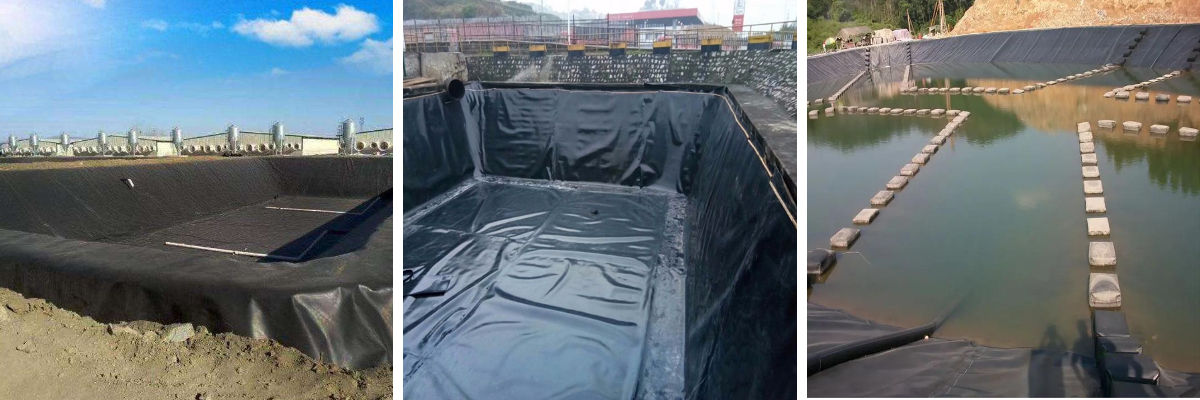
I. Superior Impermeability: Eliminate Water Waste & Leak Risks
Water loss is the biggest frustration for pond owners—constant refilling drains time and resources, while undetected leaks can damage surrounding landscapes or compromise aquatic ecosystems. HDPE Liner Pond’s dense molecular structure delivers unmatched防渗 performance, locking in water and preventing costly seepage.
1. Impermeability Performance & Comparison
Liner Type | Permeability Coefficient (cm/s) | Annual Seepage (L/m²) | Water Retention Rate | Test Standard |
HDPE Liner Pond (1.0-1.5mm) | ≤1×10⁻¹³ | <0.5 | 99.9% | ASTM D5084 |
PVC Pond Liner (1.0mm) | 1×10⁻¹¹ – 5×10⁻¹¹ | 6–10 | 99.0%–99.5% | ASTM D5084 |
Butyl Rubber Liner | 5×10⁻¹⁰ – 1×10⁻⁹ | 40–60 | 94%–96% | ASTM D5887 |
2. Practical Impact on Pond Ecosystems
Stable water levels are critical for maintaining healthy pond chemistry—fluctuations stress fish, disrupt beneficial bacteria, and encourage algae blooms. HDPE Liner Pond’s consistent impermeability keeps water levels steady, reducing the need for frequent chemical adjustments. For aquaculture operations, this means stable oxygen levels and water quality, directly boosting fish survival rates and growth performance.
(1) Real-World Water Savings
A commercial koi farm reported cutting water refills by 98% after switching to HDPE Liner Pond. Previously, the farm lost 50+ liters of water per square meter monthly with a rubber liner; post-installation, losses dropped to less than 0.4 liters per square meter—saving thousands in water and utility costs annually.
II. Fish-Safe Durability: Safeguard Aquatic Life & Longevity
Pond liners must be non-toxic and resilient—harmful chemicals or premature degradation can devastate aquatic life. HDPE Liner Pond is formulated with fish-safe materials and engineered to withstand harsh pond conditions, ensuring decades of reliable performance without compromising wellness.
1. Safety & Durability Metrics
Performance Indicator | Value | Test Standard | Pond-Specific Benefit |
Toxicity Compliance | FDA 21 CFR 177.1520 | EPA 40 CFR Part 180 | Safe for koi, goldfish, and edible aquaculture species |
UV Stability (2,000hrs exposure) | 88% tensile strength retention | ASTM D4329 | No brittling or chemical leaching in direct sunlight |
Puncture Resistance | ≥280 N (1.0mm gauge) | ASTM D6392 | Resists rocks, roots, and fish activity |
Chemical Resistance (pH 6-9) | No degradation after 1,000hrs immersion | ASTM D5322 | Withstands pond treatments, fish food, and algae controls |
2. Resistance to Pond-Specific Stressors
Ponds pose unique challenges—fish waste, algae, and regular treatments can degrade inferior liners. HDPE Liner Pond resists organic buildup and chemical exposure, maintaining structural integrity even in high-stock aquaculture settings. Unlike PVC liners, it won’t become brittle from algae treatments or fish waste byproducts.
(1) Aquatic Wellness Assurance
Veterinarians and aquaculture specialists recommend HDPE liners for sensitive species like koi and sturgeon. A backyard pond owner noted a 95% fish survival rate after switching to HDPE Liner Pond, up from 70% with a toxic rubber liner—attributing the improvement to the liner’s non-leaching properties and stable water quality.
III. Terrain Adaptability & Easy Installation: Fit Any Pond Design
Ponds come in all shapes and sizes—from irregular backyard water gardens to rectangular aquaculture tanks. HDPE Liner Pond’s flexibility and lightweight design solve the pain point of ill-fitting liners and cumbersome installation, adapting to any terrain with minimal waste.
1. Installation Efficiency & Adaptability
Feature | HDPE Liner Pond | Alternative Liner (Rubber) | Pond-Specific Advantage |
Elongation at Break | ≥350% | 200%–250% | Conforms to curved edges and sloped banks |
Weight (kg/㎡, 1.0mm) | 9.0 | 12.0–15.0 | Easy to handle for DIY and professional installs |
Installation Rate (㎡/day/2-person crew) | 800–1,000 | 500–600 | Faster setup, minimal pond downtime |
Seam Strength | ≥90% of liner strength | 70%–80% of liner strength | Leak-proof joints for large ponds |
2. Minimal Waste & Custom Fit
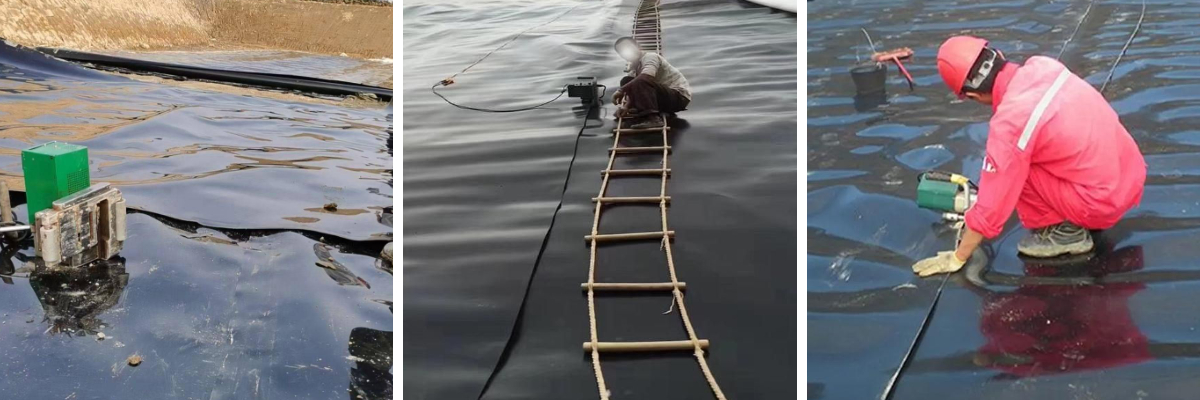
Irregular pond shapes often lead to excessive liner waste with rigid materials. HDPE Liner Pond is easy to cut and weld, allowing for precise custom fits—reducing material waste by up to 30% compared to pre-cut liners. For large commercial ponds, this translates to significant cost savings and faster project completion.
(1) DIY-Friendly Installation
A backyard pond enthusiast installed a 12㎡ irregularly shaped koi pond using HDPE Liner Pond in just 5 hours with a friend. “The liner was flexible enough to mold to every curve, and the heat welding was simpler than I expected,” they noted. “No heavy equipment needed—just basic tools and a little patience.”
IV. Low-Maintenance Performance: Reduce Upkeep & Costs
Pond owners want to enjoy their water features, not spend hours on maintenance. HDPE Liner Pond’s smooth surface and durable construction minimize upkeep, solving the pain point of constant cleaning and repairs.
1. Maintenance Comparison
Liner Type | Algae Buildup Rate | Annual Repair Frequency | Cleaning Interval |
HDPE Liner Pond | Low (smooth surface resists adhesion) | 0–1 (minor patches) | Monthly (light cleaning) |
PVC Liner | Medium (porous surface) | 2–3 (seam or puncture repairs) | Bi-weekly |
Rubber Liner | High (textured surface traps debris) | 3–4 (brittling or tearing) | Weekly |
2. Long-Term Cost Efficiency
While initial costs may be comparable to other liners, HDPE Liner Pond’s 15–20 year lifespan and minimal maintenance deliver superior long-term value. A commercial water feature company reported reducing annual maintenance costs by 60% after switching to HDPE—eliminating frequent repairs and labor-intensive cleaning.
V. Client Testimonials
“As an aquaculture farmer, water quality and fish health are everything. HDPE Liner Pond has kept our ponds leak-free and our tilapia healthy for 5 years. Maintenance is a breeze, and we’ve seen a 15% boost in growth rates—worth every penny.” — Aquaculture Farm Owner
“I struggled with leaky rubber liners for years before switching to HDPE. This liner fits my irregular koi pond perfectly, holds water like a charm, and cleans up in minutes. No more refilling or stressing about my fish—total game-changer.” — Backyard Pond Enthusiast
VI. FAQ
1. What thickness of HDPE Liner Pond is best?
1.0mm for residential ponds (koi, water gardens) and 1.5mm for commercial/aquaculture ponds. Thicker liners offer extra puncture resistance for high-traffic or rocky sites.
2. Is it safe for edible fish species?
Yes—meets FDA and EPA food contact standards, making it safe for tilapia, catfish, and other edible aquaculture species.
3. Can it be installed in cold climates?
Absolutely. It remains flexible from -40°C to 60°C, withstanding freeze-thaw cycles without cracking or brittling.
4. How do I repair small punctures?
Small punctures (≤1cm) can be fixed with HDPE patch kits—clean the area, apply adhesive, and press the patch firmly. For larger damage, professional welding is recommended.
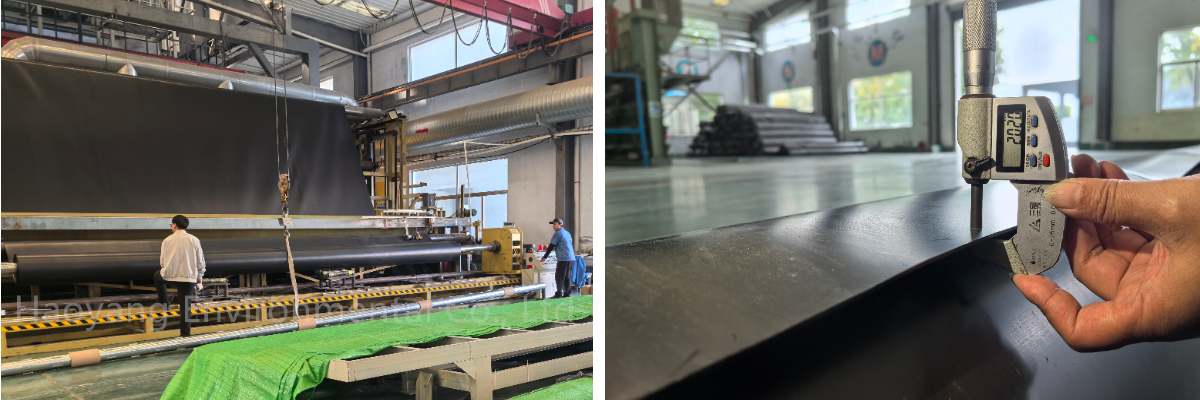
VII. Choose HDPE Liner Pond for Your Water Feature
HDPE Liner Pond combines unbeatable impermeability, fish-safe durability, easy installation, and low maintenance—solving the core pain points of pond ownership. Whether you’re a backyard enthusiast, aquaculture professional, or commercial designer, it delivers reliable performance and long-term value. Invest in a liner that protects your water, your aquatic life, and your time.
Contact our team today to request custom sizing, technical specifications, or installation guidelines tailored to your pond project. We’re here to help you build a healthy, leak-proof pond that lasts for decades.