Español
 Francés
 Русский
 Indonesia
 العربية
 Português
 Deutsch
 ไทย
ไทย
 Pilipino


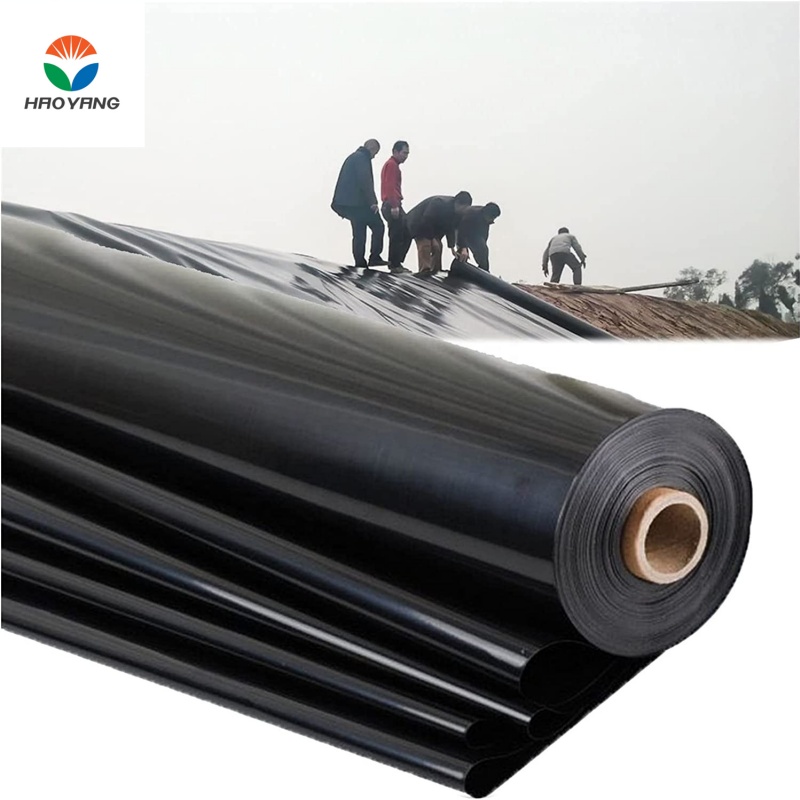
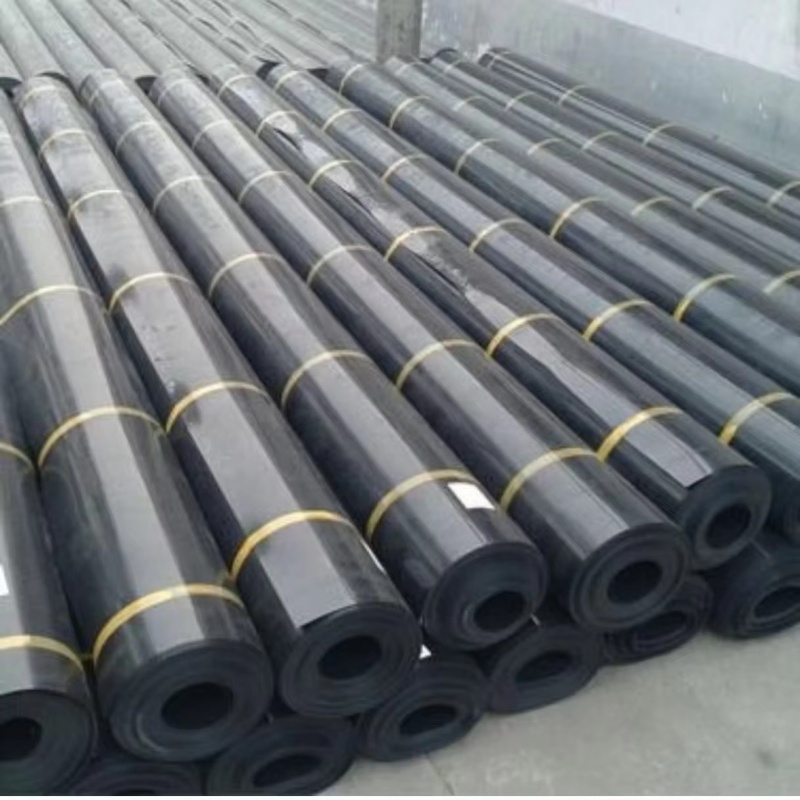
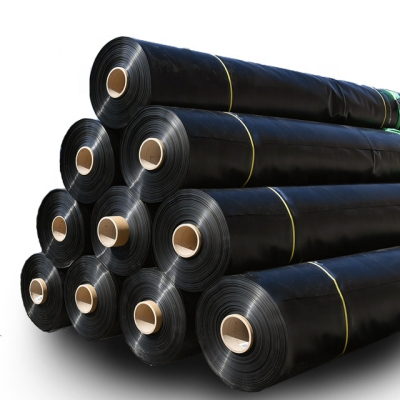
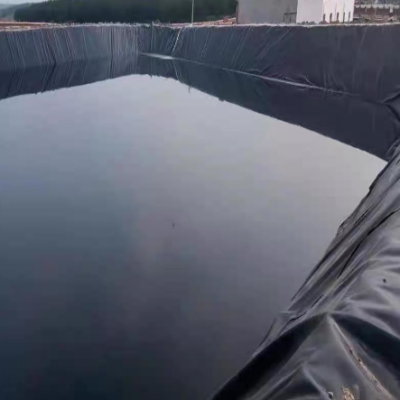
HDPE Fish Tank Liner
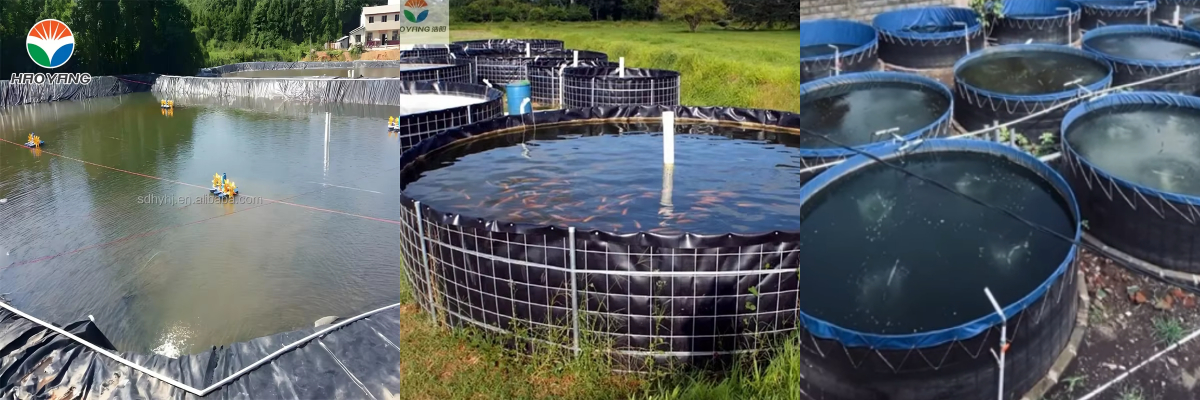
1. The HDPE fishpond anti-seepage membrane is environmentally friendly and non-toxic. It does not pollute the water body or harm fish and shrimp seedlings, and is suitable for aquatic farming environments.
2. It has high tensile strength, is resistant to tearing and puncturing, can withstand sand and root damage, and has a long service life.
3. The anti-seepage performance is excellent. With zero leakage, it can stabilize the water level in the pond and reduce water replenishment costs.
4. It is resistant to acid and alkali, corrosion, ultraviolet rays and aging. It is not prone to cracking or aging even when exposed to outdoor sunlight.
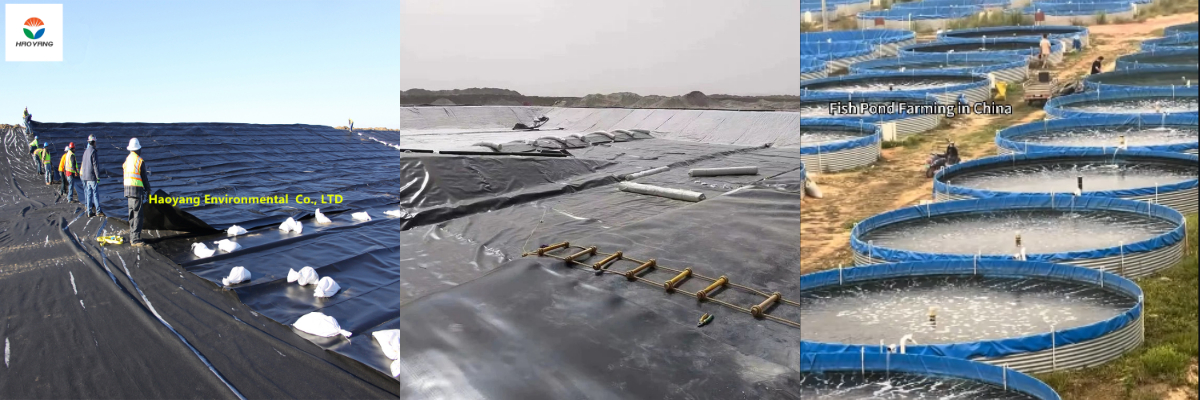
5. It has good flexibility and is easy to lay and connect. The construction is convenient and maintenance is simple, resulting in a lower overall cost for farming.
Ⅰ. Composition of HDPE Fish Tank Liner
HDPE Fish Tank Liner is a high-performance waterproofing membrane mainly composed of 97.5% high-density polyethylene (HDPE) resin, with 2.5% carbon black as a UV stabilizer, plus trace amounts of antioxidants, heat stabilizers and processing aids. The HDPE resin forms the base structure for waterproofing and strength. Carbon black enhances UV resistance and aging durability. Antioxidants and stabilizers improve chemical stability and extend service life. This formula ensures the liner is non-toxic, impermeable and durable for aquaculture.
Ⅱ. Physical and Chemical Parameters of HDPE Fish Tank Liner
| Parameter | Standard Value |
| Thickness | 0.25–2.5 mm |
| Density | ≥0.940 g/cm³ |
| Tensile Strength (MD/TD) | ≥17 MPa |
| Elongation at Break | ≥700% |
| Tear Resistance | ≥93 N |
| Puncture Resistance | ≥320 N |
| Carbon Black Content | 2.0–3.0% |
| UV Resistance (1600 hrs) | ≤20% strength loss |
| Oxidative Induction Time (OIT) | ≥100 min |
| Water Absorption | ≤0.1% |
| Hydraulic Conductivity | ≤1×10⁻¹⁷ cm/s |
| Chemical Resistance (pH) | 1–14 |
| Operating Temperature | -60°C to +80°C |
| Hydrostatic Resistance | Pass at 500 kPa |
| Dimensional Stability | ≤±2% |
Ⅲ. Detailed Introduction to HDPE Fish Tank Liner
1.Environmental & Non-toxic: Made of food-grade HDPE resin, free of harmful substances, safe for fish, shrimp and aquatic organisms, and does not pollute water quality.
2.Excellent Impermeability: With ultra-low permeability (1×10⁻¹⁷ cm/s), it completely prevents water leakage, maintains stable water levels and reduces water replenishment costs.
3.High Mechanical Strength: High tensile strength (≥17 MPa) and elongation (≥700%) resist tearing, puncture and deformation from soil, stones and fish activities.
4.Strong Weather Resistance: Carbon black and UV stabilizers enable resistance to sunlight, oxidation and aging, with a service life of 20–50 years outdoors.
5.Chemical Stability: Resistant to acids, alkalis, salts and common aquaculture chemicals, preventing corrosion and degradation in complex water environments.
6.Easy Installation & Low Maintenance: Flexible and lightweight, adaptable to various pond shapes; easy to weld and splice, with low daily maintenance and comprehensive cost-effectiveness.
Ⅳ. Project Applications of HDPE Fish Tank Liner
1.Aquaculture Ponds: Widely used for fish, shrimp, crab and turtle ponds, providing a safe, stable water environment and improving breeding efficiency and survival rates.
2.Reservoirs & Water Storage Tanks: Applied to small reservoirs, rainwater collection tanks and water regulation tanks to prevent seepage, save water resources and ensure stable water supply.
3.Wastewater Treatment Ponds: Used in industrial wastewater, aquaculture wastewater and domestic sewage treatment ponds to isolate pollutants, prevent soil and water contamination, and support environmental protection.
4.Ornamental Ponds & Landscaping: Ideal for garden ornamental ponds, landscape lakes and fountain pools, maintaining water clarity, preventing leakage and enhancing landscape aesthetics.
5.Saltwater & Specialized Farming: Suitable for saltwater fish, sea cucumber and shellfish farming, resisting salt corrosion and adapting to high-salinity water environments.
Ⅴ. Advantages Over Traditional Lining Materials
Compared with traditional clay, concrete and EPDM rubber liners, HDPE Fish Tank Liner shows comprehensive superiority. Clay liners have poor impermeability, require regular maintenance and are easily damaged by fish and plants. Concrete liners are costly, difficult to construct, prone to cracking and cannot adapt to foundation settlement. EPDM rubber has higher cost, lower puncture resistance and shorter service life. In contrast, HDPE liners integrate low cost, easy installation, high durability and excellent impermeability, becoming the preferred choice for modern aquaculture and water containment projects. They also reduce ecological damage, support sustainable development and deliver higher economic and environmental benefits.
Ⅵ. Advantages of Haoyang Environmental Co., Ltd. in HDPE Geomembrane Production
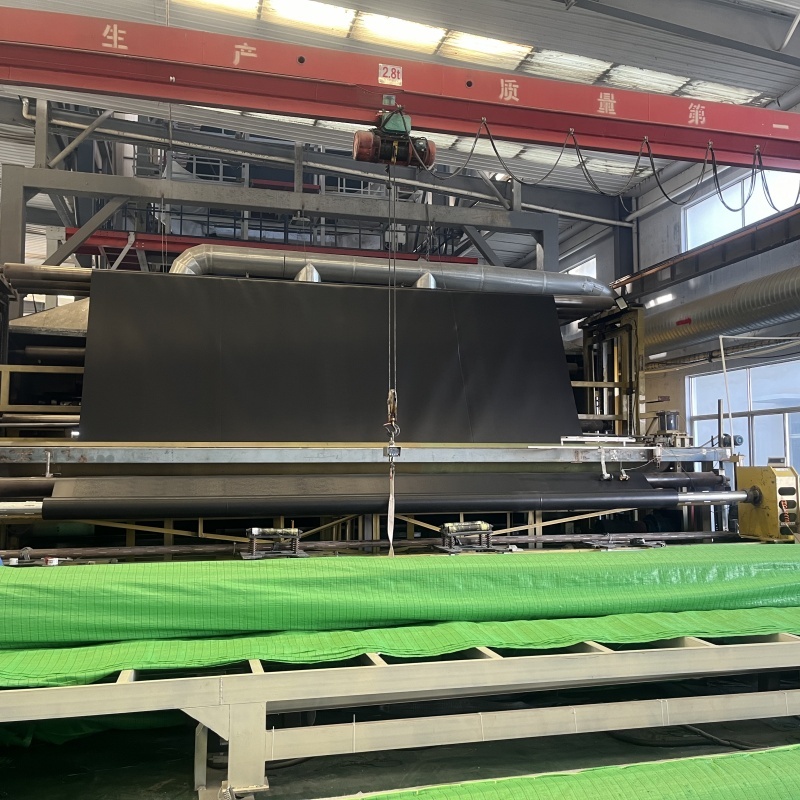
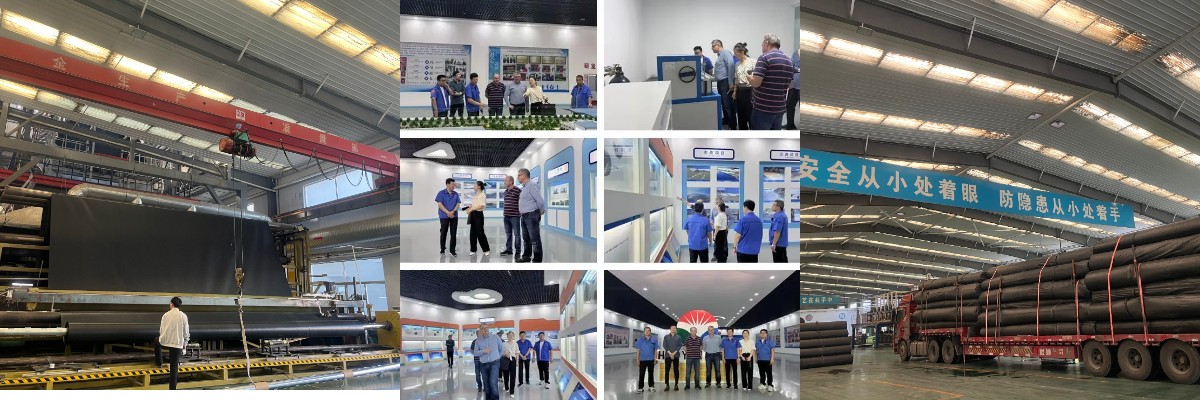
Haoyang Environmental Co., Ltd., founded in 2008, is a national high-tech enterprise located in Dezhou, Shandong Province. It has 26 automated production lines, including a 10m-wide blow molding line, with an annual capacity of 300,000 tons. As a leading manufacturer in China’s geosynthetics industry, it holds 11 invention patents and 46 utility models. The company’s HDPE geomembranes feature precision thickness control, excellent physical properties and strong UV resistance, certified by ISO and CQC. With strict quality control and professional R&D, it supplies high-quality liners for aquaculture and environmental projects worldwide.
Ⅶ. Future Development and Wide Application of HDPE Fish Tank Liner Worldwide
The global demand for HDPE Fish Tank Liner is growing rapidly, driven by the expansion of aquaculture, water resource conservation and environmental protection initiatives. The market is projected to grow at a 6.61% CAGR from 2024 to 2030. Technological advancements will focus on improved durability, enhanced UV resistance and eco-friendly formulations. With increasing awareness of sustainable development, HDPE liners will be more widely adopted in aquaculture, water storage, wastewater treatment and ecological restoration projects across Asia, Europe, Africa and the Americas. They will play a vital role in global food security, water resource management and environmental protection.