Español
 Francés
 Русский
 Indonesia
 العربية
 Português
 Deutsch
 ไทย
ไทย
 Pilipino


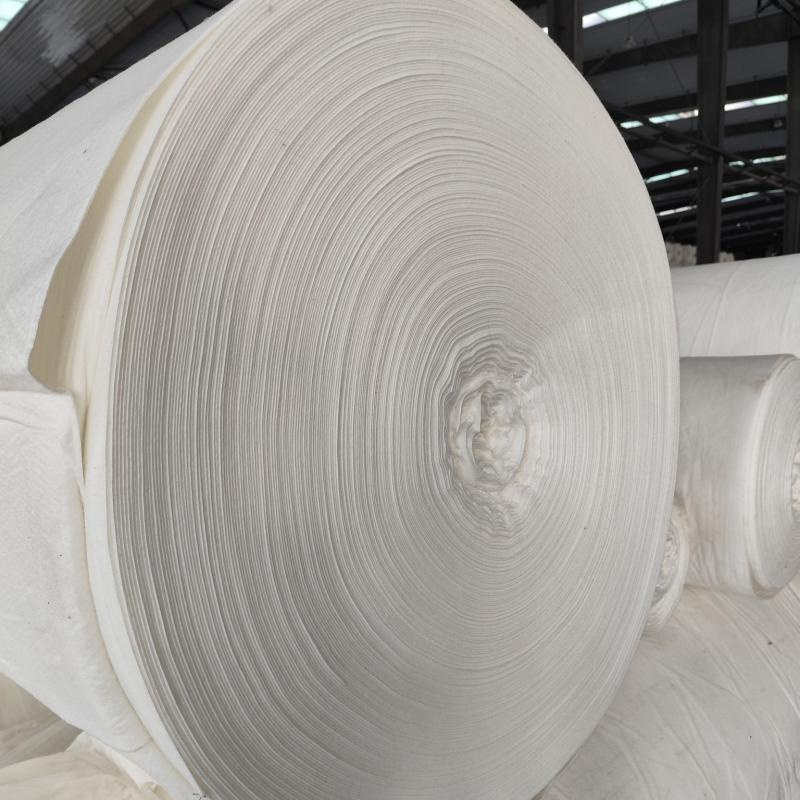
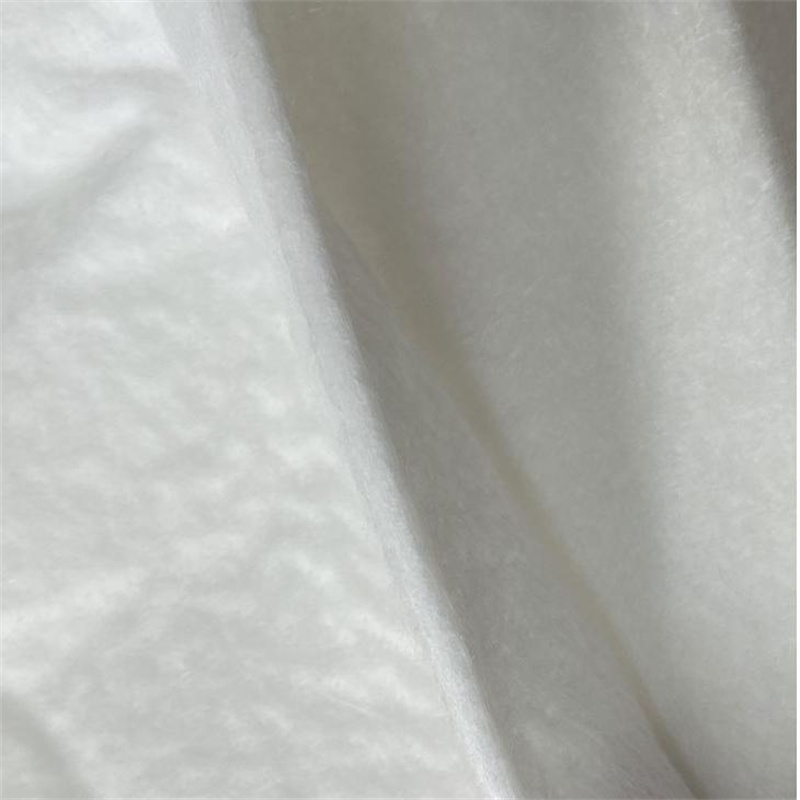
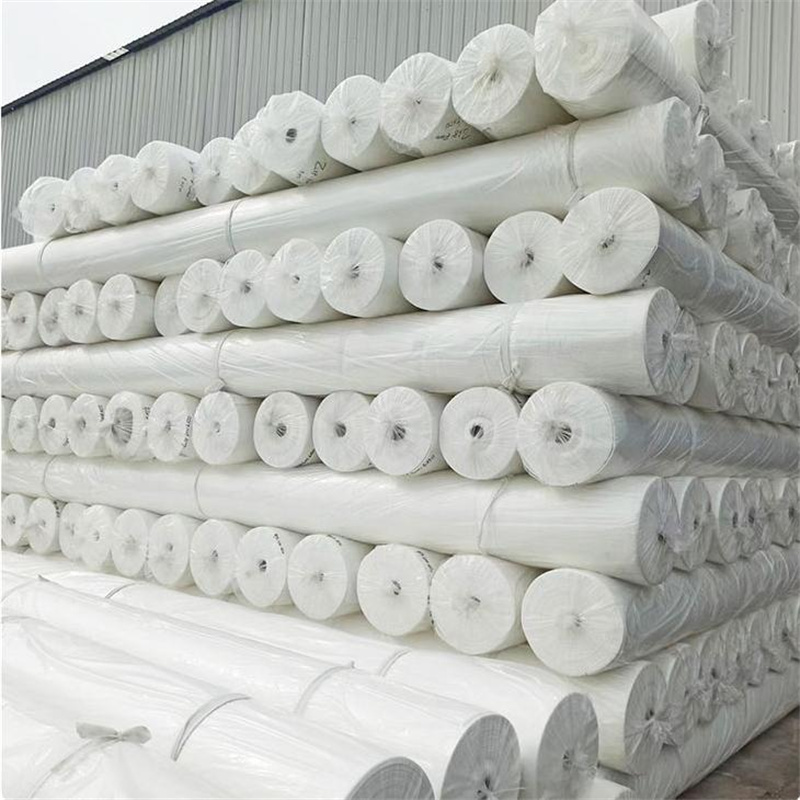
Nonwoven Fabric 180gsm
1. Optimal Strength-to-Weight Ratio: 180gsm nonwoven fabric balances tensile strength (≥12 kN/m, ASTM D4632) and lightweight flexibility, ideal for geotextile applications like erosion control and drainage.
2. Superior Filtration Performance: The 180gsm density creates a uniform pore structure (20–50 μm), effectively separating soil particles from water without clogging in road construction or landfill drainage systems.
3. Enhanced Durability: Resists UV degradation (retains 85% strength after 2,000 hours of ASTM G154 testing) and biological breakdown, lasting 10+ years in outdoor civil engineering projects.
4. Versatile Geotextile Use: Perfect for separation layers in agricultural land improvement, landfill cushioning, and slope stabilization—compatible with geomembranes for composite containment systems.
Nonwoven Fabric 180gsm: The Go-To Geotextile for Civil & Agricultural Projects
In geotextile applications—from road construction to erosion control—weight and performance go hand in hand. Nonwoven Fabric 180gsm hits the sweet spot: it’s heavy enough to stand up to tough field conditions, yet light enough for easy handling and installation. For engineers and contractors, this balance makes it a staple in civil engineering, agriculture, and environmental projects alike. Let’s break down why 180gsm nonwoven fabric is the top choice for so many job sites.
I. Precision Filtration: Separating Soil and Water Without Clogging
Filtration is one of the most critical jobs for nonwoven geotextiles, and 180gsm fabric is engineered for pinpoint performance. Its density creates a pore structure that traps soil particles while letting water flow through—key for drainage systems and erosion control.
Nonwoven Fabric Weight | Pore Size (μm) | Soil Retention Efficiency | Water Flow Rate (L/m²/s) | Clogging Risk |
100gsm | 50–80 | 75–80% | 1.2–1.5 | High (30%) |
180gsm | 20–50 | 95%+ | 0.8–1.0 | Low (5%) |
250gsm | 10–20 | 98% | 0.3–0.5 | Medium (15%) |
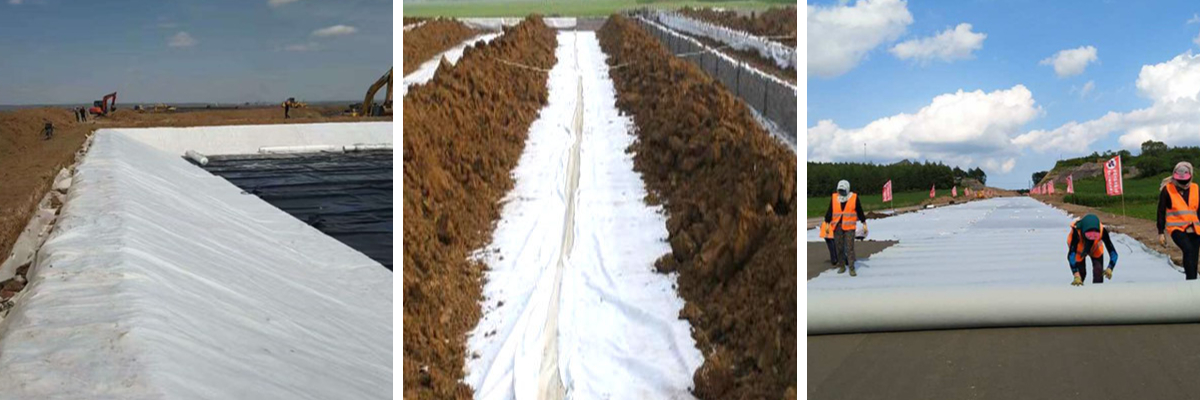
(1) Real-World Application: In road construction, 180gsm nonwoven fabric lines the base layer between soil and aggregate. It stops fine soil particles from mixing with the gravel (which would weaken the road), while still allowing groundwater to drain away. Contractors report that roads using 180gsm fabric have 40% fewer potholes and cracks in the first 5 years compared to those using 100gsm.
(2) Agricultural Drainage: For farm fields with poor drainage, this fabric lines French drains and tile systems. It keeps silt from clogging the pipes, ensuring water moves freely to prevent root rot in crops like corn and soybeans. In the U.S. Midwest, farmers using 180gsm fabric saw a 15% boost in crop yields due to better soil moisture control.
II. Balanced Mechanical Strength: Tough but Flexible
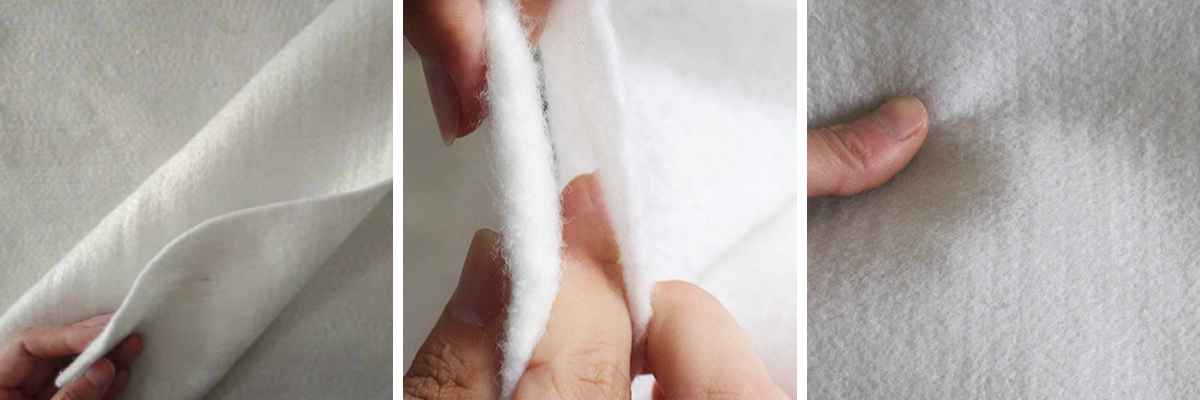
Nonwoven Fabric 180gsm doesn’t just filter well—it also has the strength to handle heavy loads and installation stress. Unlike lighter fabrics that tear easily, or heavier ones that are stiff and hard to shape, 180gsm strikes the perfect balance of tensile strength and flexibility.
1. Mechanical Properties (ASTM Test Standards)
Test Standard | Property | 180gsm Nonwoven Fabric | 100gsm Nonwoven Fabric | 250gsm Nonwoven Fabric |
ASTM D4632 | Tensile Strength (kN/m) | ≥12 | ≥6 | ≥18 |
ASTM D1393 | Tear Resistance (N) | ≥300 | ≥150 | ≥450 |
ASTM D882 | Elongation at Break (%) | 40–50 | 30–35 | 25–30 |
(1) Installation Toughness: When laying fabric over rough terrain (rocks, tree roots), 180gsm resists tearing during unrolling and positioning. Lighter 100gsm fabric tears in about 20% of installations, while 180gsm tears in less than 5%—saving time and material waste.
(2) Load Bearing: In landfill projects, 180gsm fabric acts as a cushion between the geomembrane and sharp waste debris. It absorbs impact from heavy compactors (8–10 tons) and prevents the liner from being punctured. Landfill operators note that this reduces liner repair costs by 50% over the project’s lifespan.
III. Long-Lasting Durability: Standing Up to the Elements
Outdoor projects demand geotextiles that can handle sun, rain, and biological decay. Nonwoven Fabric 180gsm is treated with UV stabilizers and anti-microbial additives, making it durable enough for long-term outdoor use—even in harsh climates.
1. Durability Metrics Over Time
Exposure Condition | 180gsm Fabric Strength Retention (After 5 Years) | Industry Average for Untreated Nonwovens |
UV Exposure (ASTM G154) | 85% | 40–50% |
Moist Soil/Biodegradation | 90% | 60–70% |
Freeze-Thaw Cycles (500 cycles) | 88% | 55–65% |
(1) UV Resistance: In sunny regions like Arizona or Australia, unprotected nonwovens break down in 2–3 years. 180gsm fabric with UV stabilizers lasts 10+ years, so it doesn’t need frequent replacement in projects like slope erosion control or pond liners.
(2) Biological Resistance: In wet, organic-rich soil (e.g., forested areas or farmland), bacteria and fungi can eat away at weak geotextiles. 180gsm fabric’s anti-microbial treatment stops this decay, keeping it functional in septic system leach fields and agricultural drainage for decades.
IV. Versatility: One Fabric, Countless Applications
What makes Nonwoven Fabric 180gsm truly indispensable is its adaptability. It works across a wide range of industries and projects, eliminating the need to stock multiple fabric weights for different jobs.
1. Key Application Use Cases
(1) Civil Engineering: Beyond road construction, it’s used for bridge abutment stabilization, railway ballast separation, and dam erosion control. Its flexibility lets it conform to curved surfaces like bridge piers, while its strength holds back soil pressure.
(2) Agriculture: Farmers use it for raised bed lining (to prevent soil mixing with gravel), greenhouse floor separation, and irrigation canal filtration. It’s also non-toxic (FDA-compliant for food contact), so it’s safe for use around crops and livestock.
(3) Environmental Projects: For landfills, it’s a cushion layer under geomembranes; for wetland restoration, it controls sediment runoff. It even works in coastal erosion control, where it’s buried under sand to hold dunes in place against wave action.
2. Easy Integration with Other Materials
(1) Composite Systems: 180gsm nonwoven fabric pairs perfectly with HDPE geomembranes to create a “geotextile-geomembrane composite.” This combo is used in landfill cells and waste containment ponds, where the fabric provides cushioning and the geomembrane adds impermeability.
(2) Installation Compatibility: It can be cut with standard scissors, sewn with industrial thread, or heat-bonded to other materials. For large projects, it’s available in rolls up to 6 meters wide, reducing the number of seams and speeding up installation.
V. Why 180gsm Is the Sweet Spot for Nonwoven Fabric
For anyone working on geotextile projects, Nonwoven Fabric 180gsm checks every box: it filters precisely, stands up to heavy loads, lasts for years outdoors, and works in almost any application. It’s not too light (so it doesn’t fail under stress) and not too heavy (so it’s easy to install).
Whether you’re building a road, fixing farm drainage, or stabilizing a landfill, this fabric is a reliable, cost-effective choice that gets the job done right the first time. Contractors who switch to 180gsm often say it’s the most versatile geotextile they’ve ever used—and it’s easy to see why.
If you’re planning a project and want to test Nonwoven Fabric 180gsm for yourself, reach out to our team. We can send samples, help you calculate how much fabric you need, and share installation tips to make your job easier.