Español
 Francés
 Русский
 Indonesia
 العربية
 Português
 Deutsch
 ไทย
ไทย
 Pilipino


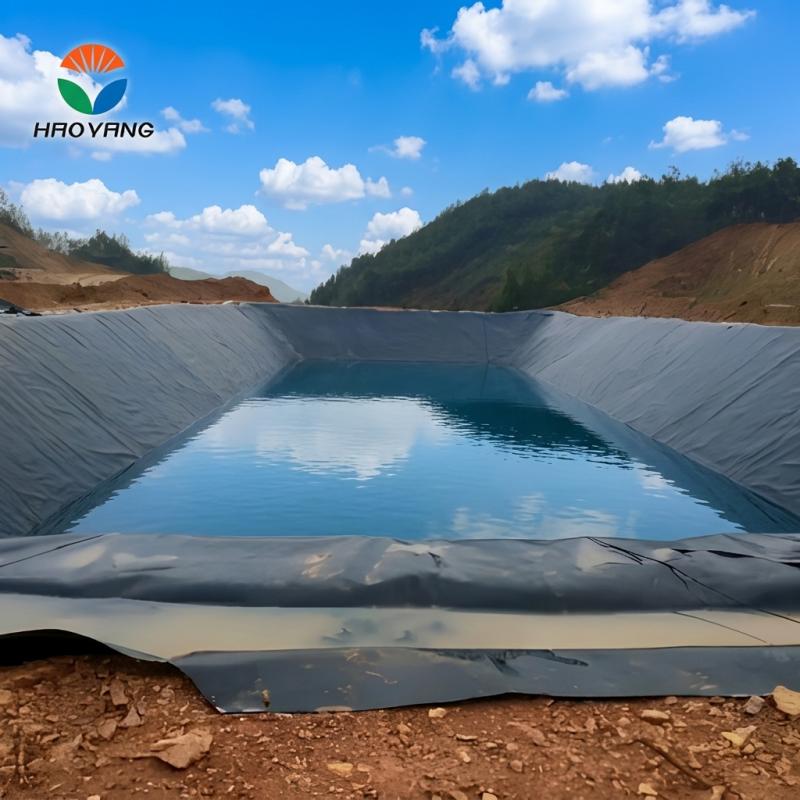
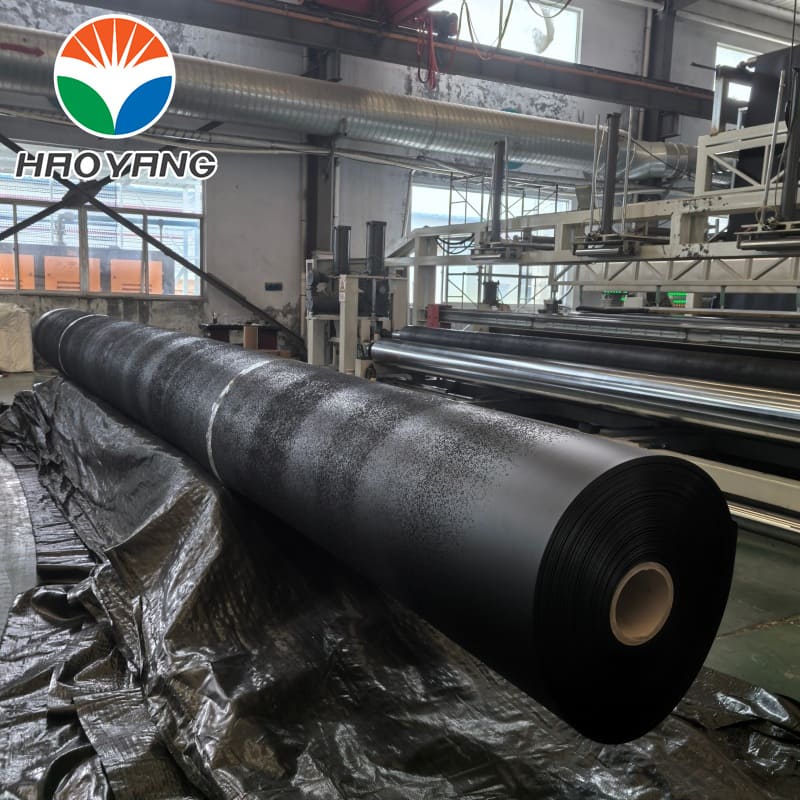
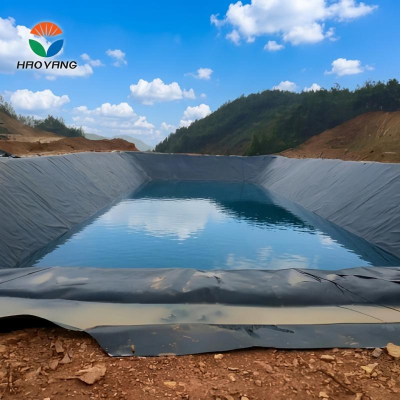
Impermeable Geomembrane
Delivers extreme low permeability to block liquid seepage in ponds, reservoirs, landfill and aquaculture projects.
Resists UV radiation, chemical corrosion and temperature fluctuation for long-term outdoor stable performance.
Boasts high tensile and puncture strength to withstand ground settlement and sharp base debris damage.
Flexible and heat-weldable for seamless laying, adapting perfectly to irregular terrains and large containment areas.
Impermeable Geomembrane: High Barrier Geosynthetic for Water & Waste Containment
If you manage water storage, environmental containment, or civil construction projects, you must have encountered seepage troubles. Uncontrolled leakage causes water loss, soil contamination, and unstable foundation structures. This is exactly why an impermeable geomembrane becomes an indispensable material in modern geotechnical engineering. Engineered with dense polymer molecular structure, an impermeable geomembrane creates a nearly impenetrable barrier to block liquid migration. In this article, we break down its core advantages, verified performance data, typical pain-point solutions, and applicable scenarios for engineers, contractors, and landowners.
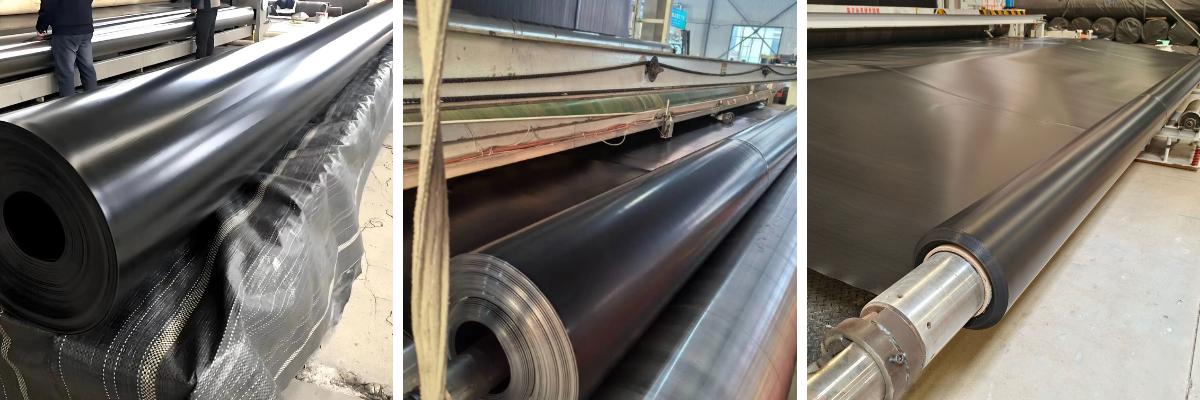
I. Extreme Impermeability Performance to Eliminate Seepage Risks
The core value of an impermeable geomembrane lies in its outstanding hydraulic isolation capability. Unlike porous geosynthetics, this liner prevents liquid penetration even under long-term hydrostatic pressure, solving the most common onsite leakage headache.
1. Permeability Comparison with Common Liner Materials
Material Type | Hydraulic Conductivity (cm/s) | Seepage Prevention Rate | Test Standard |
Impermeable Geomembrane (HDPE) | ≤1×10⁻¹³ | ≥99.8% | ASTM D5084 |
PVC Liner | 1×10⁻¹¹ ~ 5×10⁻¹¹ | 85% ~ 92% | ASTM D5084 |
Compacted Clay | 1×10⁻⁸ ~ 1×10⁻⁷ | Below 70% | ASTM D5887 |
2. Practical Anti-Seepage Benefits for Projects
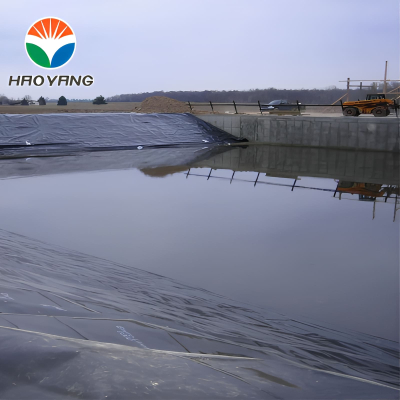
For agricultural reservoirs and aquaculture ponds, an impermeable geomembrane minimizes daily water loss and maintains stable water levels. For landfill and tailings ponds, it effectively isolates toxic leachate to avoid groundwater pollution. Many engineers prefer this liner simply because it cuts hidden seepage risks that are difficult to detect in the short term.
II. Superior Physical Strength for Harsh Onsite Conditions
Seepage is not the only threat; sharp stones, soil settlement, and construction friction often damage ordinary liners. High-quality impermeable geomembrane maintains stable physical properties to resist various mechanical damage during laying and long-term burial.
1. Verified Mechanical Performance Data
Performance Index | Test Result | Test Standard | Function Explanation |
Tensile Strength | ≥28 kN/m | ASTM D6693 | Avoid tearing during stretching |
Elongation at Break | ≥700% | ASTM D6693 | Adapt to ground deformation |
Puncture Resistance | ≥240 N | ASTM D4833 | Resist sharp debris piercing |
2. Deformation Adaptability Advantage
Most foundation soils experience subtle settlement after construction. Thanks to ultra-high elongation, the impermeable geomembrane stretches naturally without cracking or breaking. This feature solves the common pain point of rigid liner fracture in uneven terrain.
III. Strong Chemical & Weather Aging Resistance
Outdoor containment projects face complex erosion from acid, alkali, salt, and ultraviolet rays. Low-grade liners become brittle and leak within several years, while qualified impermeable geomembrane keeps stable performance in extreme environments.
1. Environmental Resistance Parameters
Resistance Item | Performance Standard | Application Scenario |
Chemical Resistance | Stable at pH 2–13 | Mining & sewage ponds |
UV Aging Resistance | ≥88% strength retention (2000h) | Open-air water ponds |
Temperature Tolerance | -40°C ~ 60°C | All-climate regions |
2. Long Service Life Value
With carbon black and anti-aging additives, an impermeable geomembrane can serve 15 to 20 years under natural exposure. It effectively avoids frequent replacement caused by aging degradation, greatly lowering long-term project maintenance pressure.
IV. Flexible Installation & Wide Industrial Compatibility
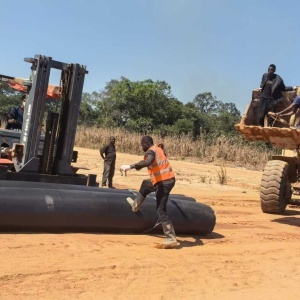
Many customers complain that high-performance liners are difficult to construct. In fact, modern impermeable geomembrane balances rigidity and flexibility, bringing excellent construction convenience for different project shapes.
1. Installation Characteristics
Heat Weldable: Seamless hot welding ensures zero leakage at joints, far safer than adhesive bonding.
Terrain Adaptability: Fits curved surfaces and slopes up to 38 degrees without slippage.
Custom Size: Various thickness options from 0.75mm to 3.0mm for differentiated projects.
2. Typical Application Scenarios
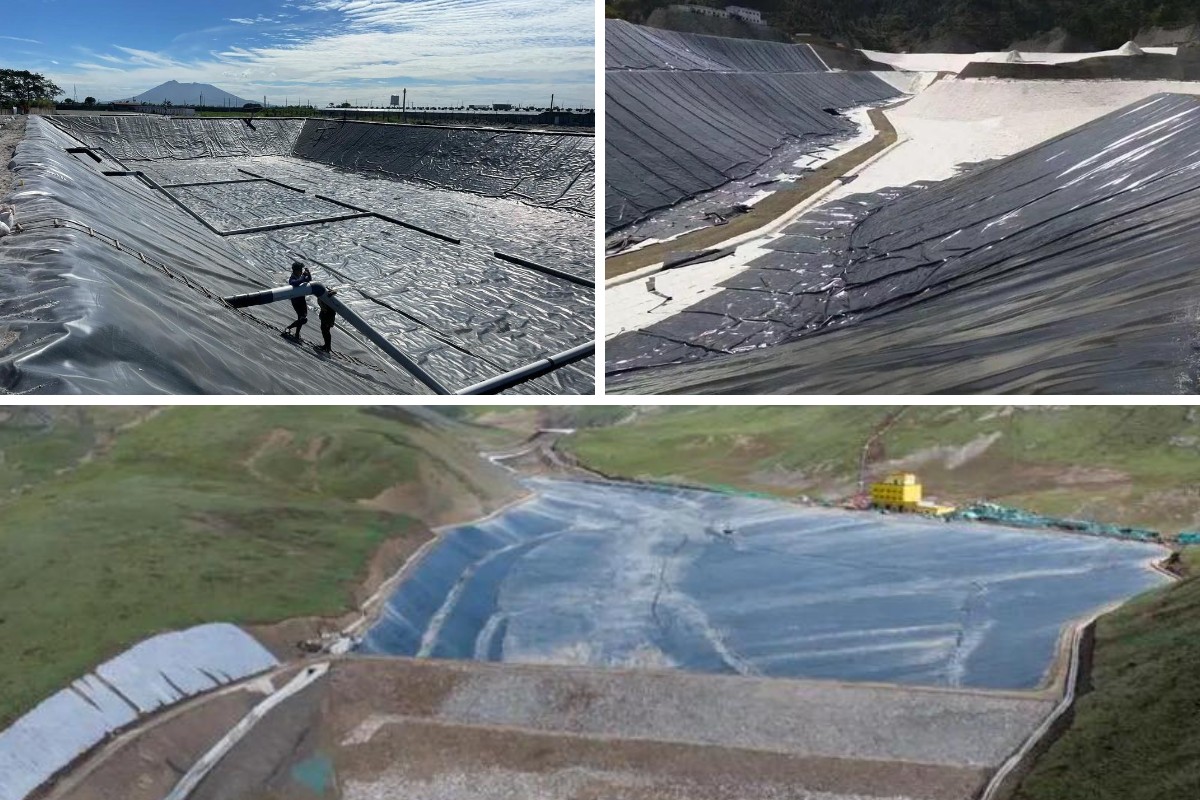
An impermeable geomembrane covers diversified industries, including aquaculture fish ponds, agricultural irrigation reservoirs, municipal landfill lining, mining tailings ponds, and industrial sewage tanks. Whether for small private water features or large environmental protection projects, it delivers consistent barrier performance.
V. Manufacturing & Quality Control
We supply premium impermeable geomembrane made of virgin HDPE resin, fully complying with GRI GM13 and ASTM international standards. Each batch undergoes strict permeability, tensile, and anti-aging tests before delivery. We provide customized thickness, width, and technical installation guidance to meet personalized engineering demands.
VI. FAQ
1. Is an impermeable geomembrane completely waterproof?
No material achieves absolute zero permeability, yet qualified impermeable geomembrane reaches nearly negligible seepage volume, meeting all industrial anti-leakage requirements.
2. Can it be used for drinking water storage?
Food-grade impermeable geomembrane is non-toxic and chemically inert, safe for potable water and aquatic farming environments.
3. Which thickness should I choose?
1.0mm for ordinary ponds; 1.5mm for reservoirs; 2.0mm or thicker for chemical and landfill containment.
VII. Conclusion
An impermeable geomembrane remains the most reliable barrier material for modern containment engineering. Featuring ultra-low permeability, mechanical durability, chemical stability, and easy installation, it solves core pain points such as leakage, aging, and terrain adaptation. For any water storage or environmental isolation project, choosing high-quality impermeable geomembrane guarantees long-term safety and stable operation.