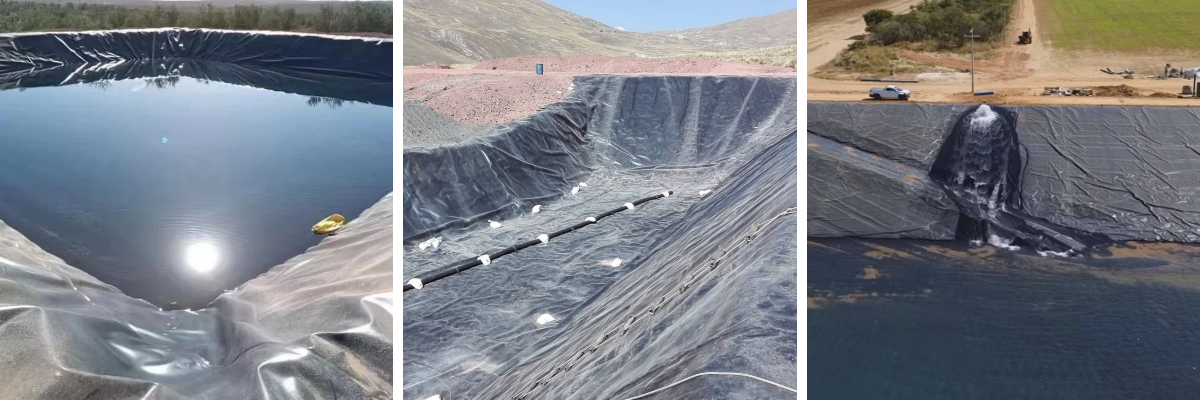
In modern construction, aquaculture, and environmental protection projects, controlling seepage is not just a technical requirement—it directly affects project lifespan, maintenance cost, and environmental safety. HDPE liner sheet has become the preferred solution worldwide due to its durability, chemical resistance, and stable performance.
This article will walk you through how HDPE liner sheets work, where they are used, and how to select the right specification for your project.
What Is HDPE Liner Sheet?
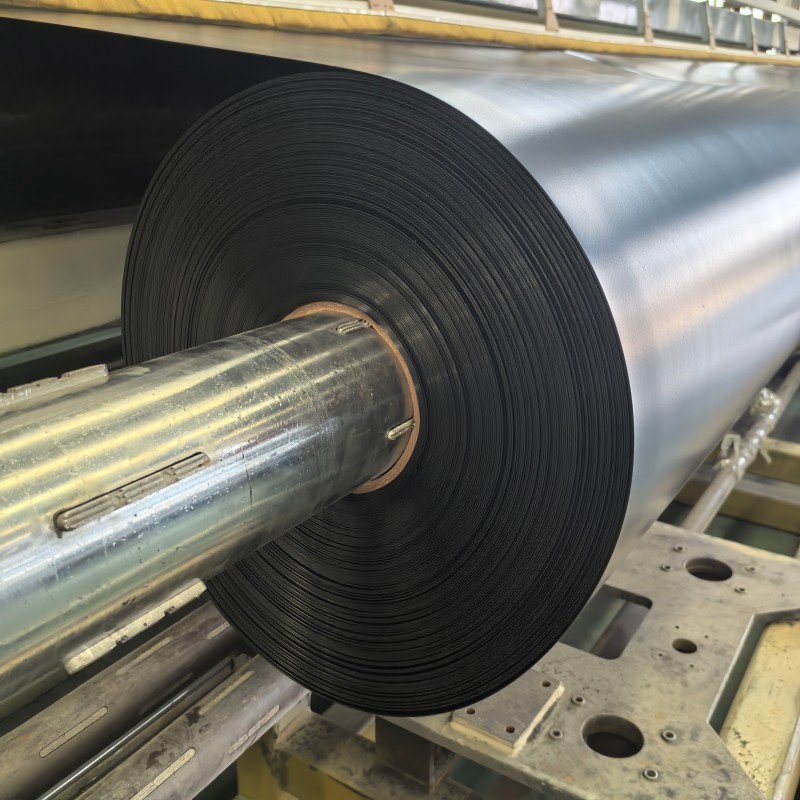
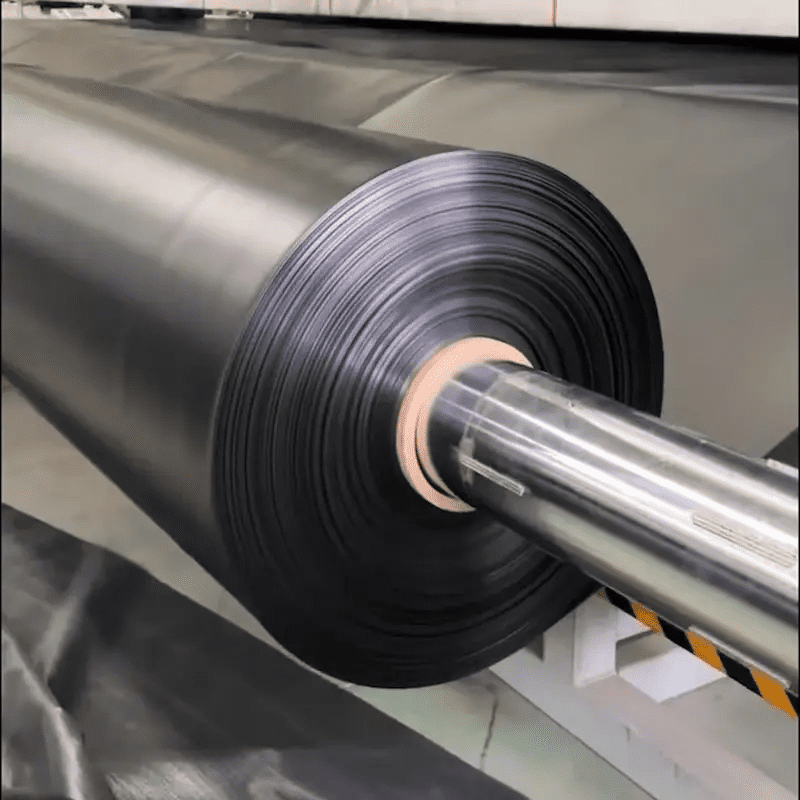
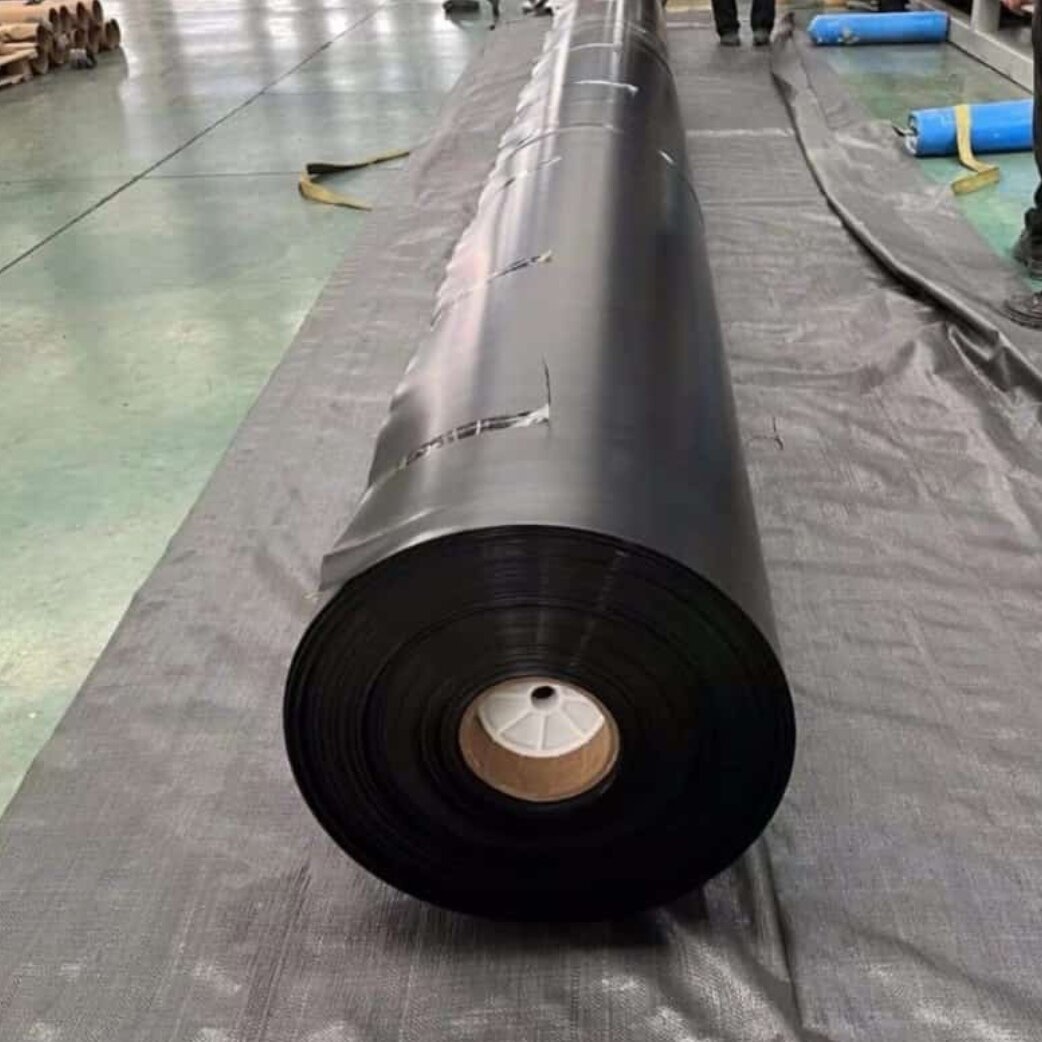
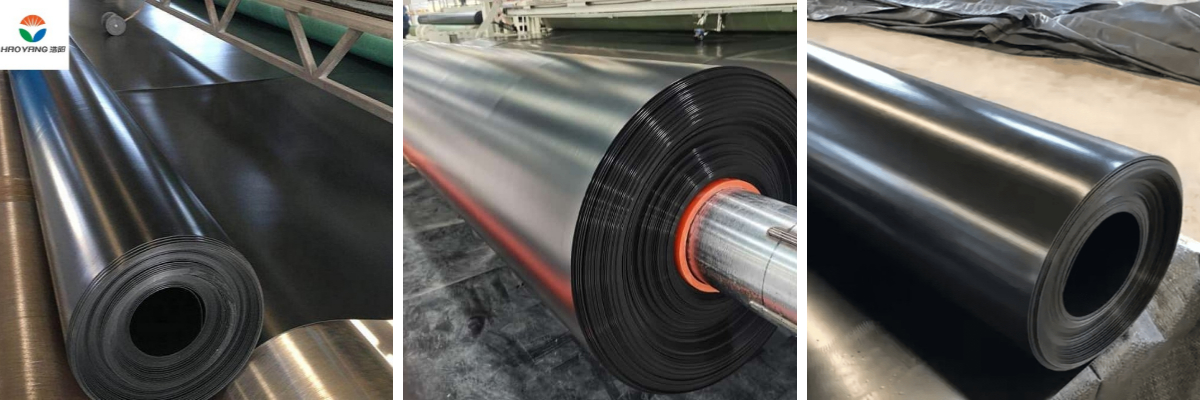
HDPE (High-Density Polyethylene) liner sheet is an impermeable geomembrane manufactured from high-quality polyethylene resin. It forms a continuous barrier that prevents liquids from penetrating into the soil.
Compared with traditional materials like clay or concrete, HDPE liners offer:

Key Applications
HDPE liner sheets are widely used across industries:
• Aquaculture (Fish & Shrimp Ponds)
Prevents water seepage and contamination, while making pond cleaning easier and improving survival rates.
• Landfills & Waste Containment
Acts as a barrier to stop leachate from polluting groundwater.
• Water Reservoirs & Irrigation
Ensures efficient water storage with minimal loss.
• Mining Projects
Used for tailings storage and chemical containment due to strong corrosion resistance.
• Agriculture & Landscaping
Suitable for canals, artificial lakes, and irrigation systems.

Why HDPE Liner Performs Better
1. True Impermeability
HDPE liners have extremely low permeability, forming a reliable barrier even under continuous pressure.
2. Strong Mechanical Properties
They resist tearing, puncturing, and stress from soil movement or heavy loads.
3. Long Service Life
With proper installation, HDPE liners can last 8–10 years or more, even in outdoor conditions.
4. Chemical Resistance
Suitable for contact with acids, alkalis, and various industrial liquids.
5. UV Stability
Designed to withstand prolonged sun exposure without rapid degradation.
How to Choose the Right Thickness
Selecting the correct thickness is critical for both performance and cost control:
0.5 mm – 0.75 mm
Suitable for small ponds, landscaping, temporary projects
1.0 mm
Most common choice for aquaculture and water storage
1.5 mm – 2.0 mm
Recommended for landfills, mining, and high-risk containment
If the application involves sharp stones, heavy equipment, or chemicals, thicker liners are strongly recommended.
Installation Tips (Practical Insights)
Ensure the ground is smooth and free of sharp objects
Use a protective layer (such as geotextile) if needed
Avoid installation during extreme temperatures
Use professional welding equipment for seam joining
Leave allowance for thermal expansion
Proper installation is just as important as material quality.
Frequently Asked Questions (FAQ)
Q1: How long does an HDPE liner last?
Typically 8–10 years, depending on thickness, environment, and installation quality.
Q2: Can it be used under strong sunlight?
Yes. HDPE liners are UV-resistant and designed for outdoor use.
Q3: Is it safe for fish ponds?
Absolutely. High-quality HDPE liners are non-toxic and safe for aquaculture.
Q4: What is the difference between virgin and recycled material?
Virgin material offers better strength, flexibility, and longer lifespan. Recycled material is cheaper but less stable.
Q5: Can the liner be repaired if damaged?
Yes. Small damages can be repaired using welding patches on site.
What Our Customers Say
“We used HDPE liner for our shrimp farm, and the difference was obvious. Water retention improved immediately, and maintenance became much easier.”
— Aquaculture Project, Southeast Asia
“Previously, we sourced lower-cost materials locally, but quality was inconsistent. After switching, we noticed fewer installation issues and better durability.”
— Contractor, South Asia
“The liner handled chemical exposure in our mining project without any problems. Performance has been stable so far.”
— Mining Company, Africa
No. | Item | Unit | Index |
1 | Thickness | mm | 0.30 | 0.50 | 0.75 | 1.00 | 1.25 | 1.50 | 2.00 | 2.50 | 3.00 |
2 | Density | g/cm3 | ≧0.940 |
3 | Tensile yield strength | N/mm | ≧4 | ≧8 | ≧11 | ≧15 | ≧18 | ≧22 | ≧29 | ≧37 | ≧44 |
4 | Tensile breaking strength | N/mm | ≧7 | ≧14 | ≧20 | ≧27 | ≧33 | ≧40 | ≧53 | ≧67 | ≧80 |
5 | Yield elongation | % | - | - | - | ≧12 |
6 | Break Elongation | % | ≧700 |
7 | Right-angle Tearing strength | N | ≧34 | ≧63 | ≧94 | ≧125 | ≧156 | ≧187 | ≧249 | ≧311 | ≧374 |
8 | Puncture strength | N | ≧100 | ≧160 | ≧240 | ≧320 | ≧400 | ≧480 | ≧640 | ≧800 | ≧960 |
9 | Carbon black content | % | 2.0~3.0 |
10 | Dispersion of carbon black | - | There is not more than one level 3 in 10 data, and level 4 and level 5 are not allowed to exist. |
11 | Oxidation induction time | min | ≧100 |
12 | Low temperature impact embrittlement properties | - | Pass |
13 | Water vapor permeability coefficient | g.cm/ (cm2.s.Pa) | ≦1.0*10-13 |
14 | Dimensional stability | % | ±2.0 |
Note | Technical performance indicators for thickness specifications not listed in the table are required to be performed by interpolation. |
Choosing the right HDPE liner sheet is not just about price—it’s about reliability over time. A stable, well-manufactured liner reduces risk, minimizes maintenance, and ensures your project performs as expected.
If you are planning a project and are unsure about specifications, it is always better to match the material to your actual application conditions rather than choosing based on price alone.

 Español
 Francés
 Русский
 Indonesia
 العربية
 Português
 Deutsch
 ไทย
ไทย
 Pilipino