Español
 Francés
 Русский
 Indonesia
 العربية
 Português
 Deutsch
 ไทย
ไทย
 Pilipino


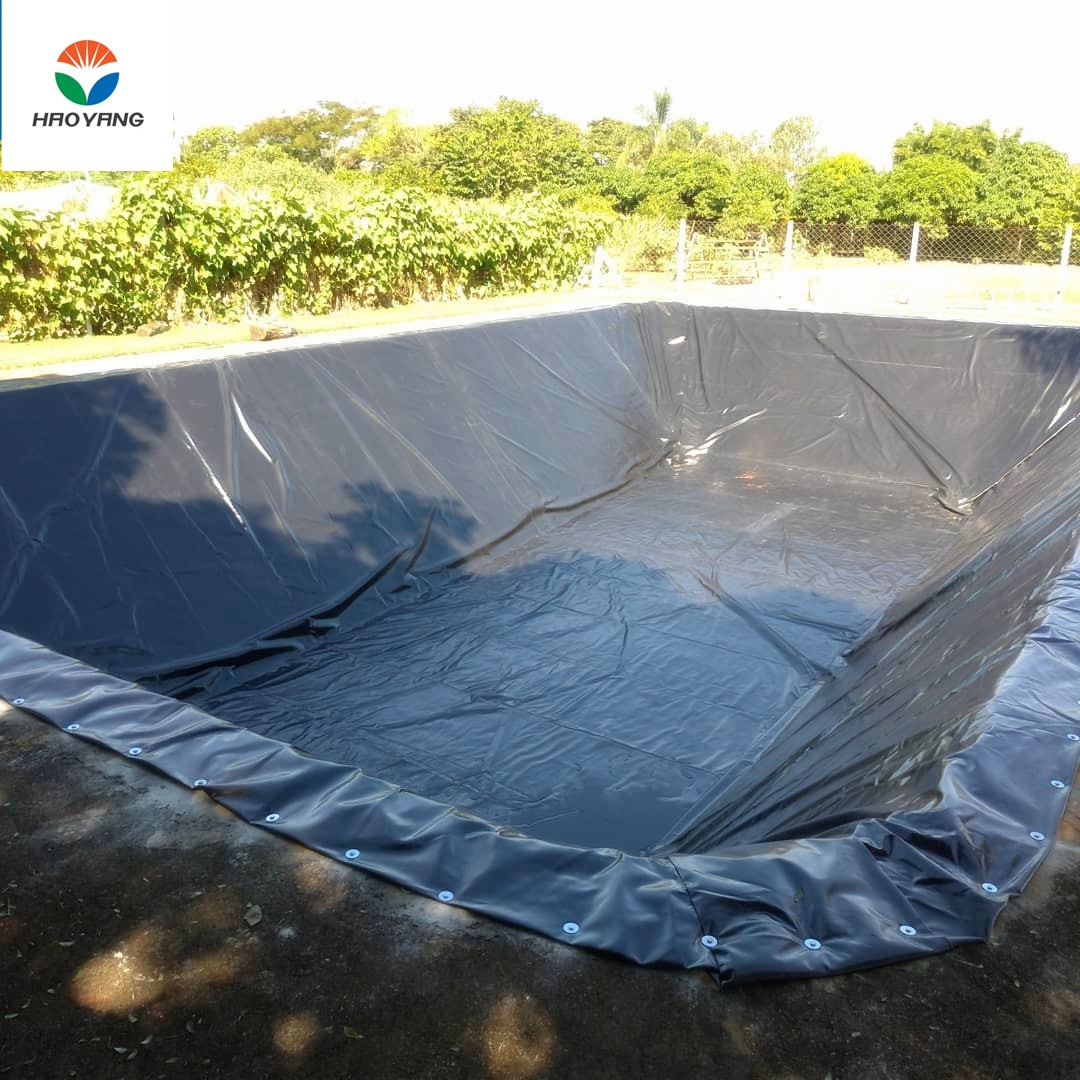
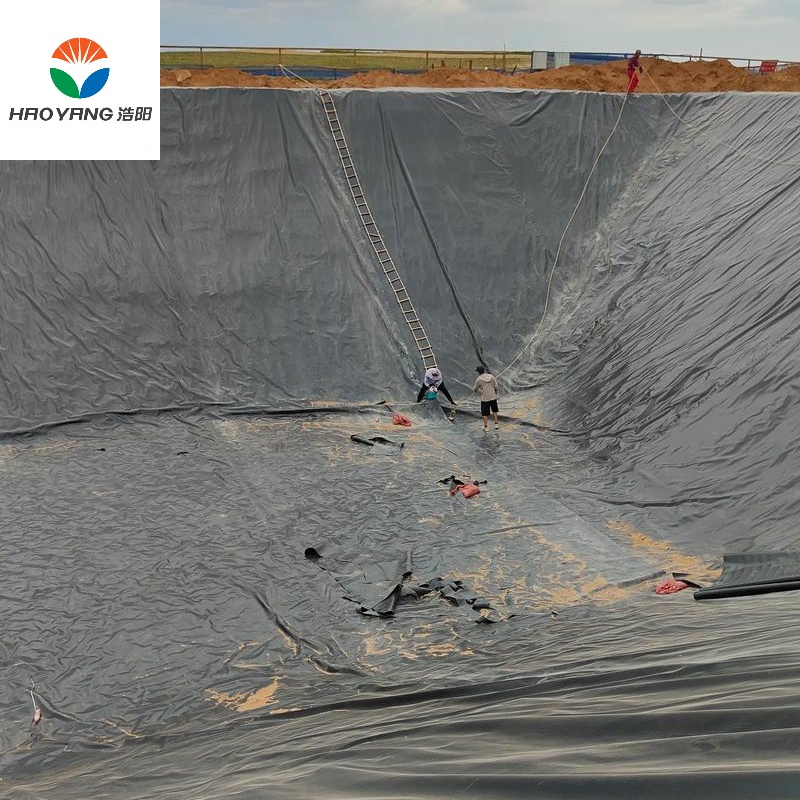
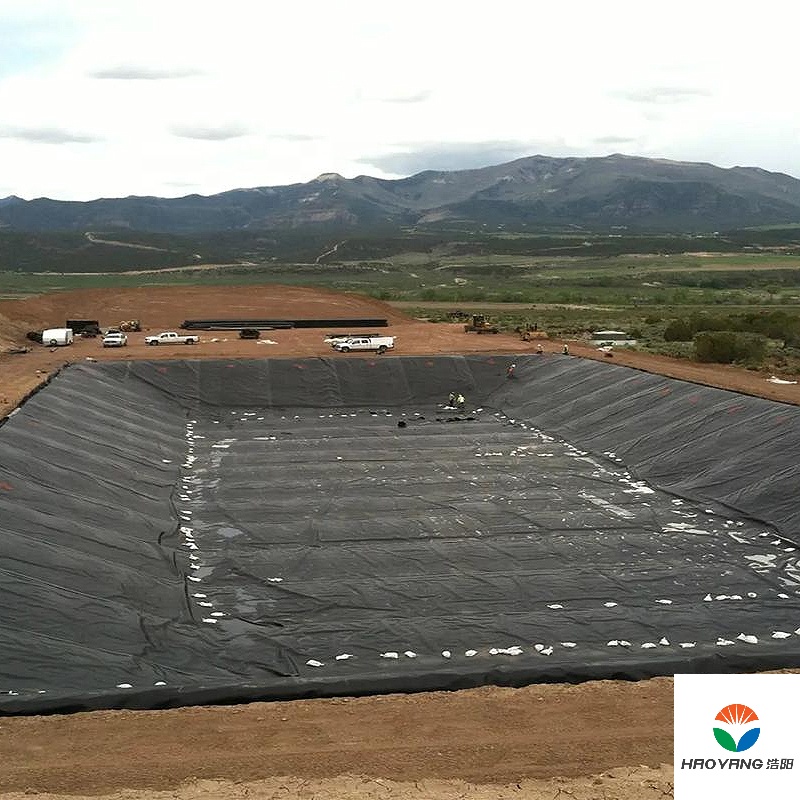
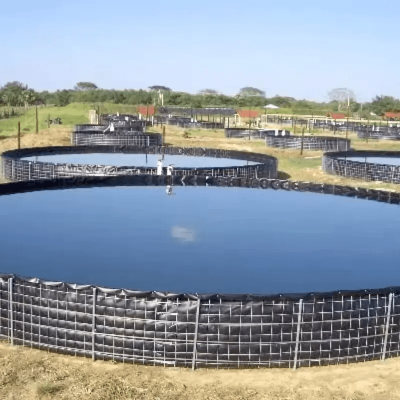
0.5mm HDPE Geomembrane Agricultural Lake
1.Cost-Effectiveness: The 0.5mm thickness minimizes material costs while meeting performance requirements for shallow lakes. At $1.00–1.50/m², it is 30–50% cheaper than thicker alternatives for depths < 2m.
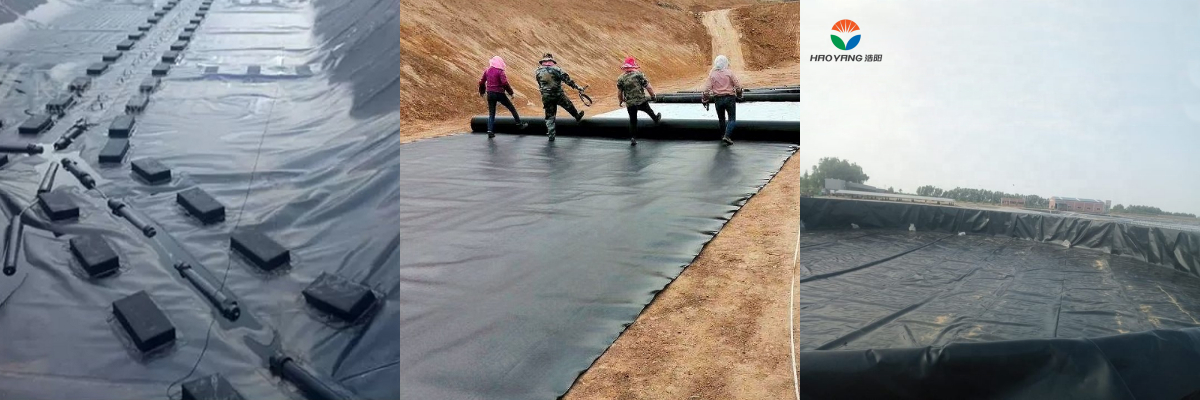
2.Ease of Installation: The lightweight and flexible nature of 0.5mm sheets allows rapid deployment using handheld welding tools, reducing labor costs by up to 40% compared to heavier liners.
3.Environmental Sustainability: By conserving water and reducing chemical runoff, HDPE-lined lakes support sustainable farming practices. Additionally, 100% recyclable HDPE minimizes waste at the end of its service life.
0.5mm HDPE Geomembrane in Agricultural Lake Applications: A Technical and Practical Review
Introduction
Agricultural lakes serve as critical infrastructure for irrigation, water storage, and aquaculture in modern farming systems. However, water seepage, soil erosion, and contamination from surrounding land use threaten their long-term viability. High-density polyethylene (HDPE) geomembranes have emerged as a cost-effective solution to these challenges, with 0.5mm thickness variants proving particularly suitable for shallow agricultural lakes. This article explores the technical specifications, performance metrics, and real-world advantages of 0.5mm HDPE geomembranes in agricultural lake projects, supported by empirical data and industry standards.
Technical Specifications of 0.5mm HDPE Geomembranes
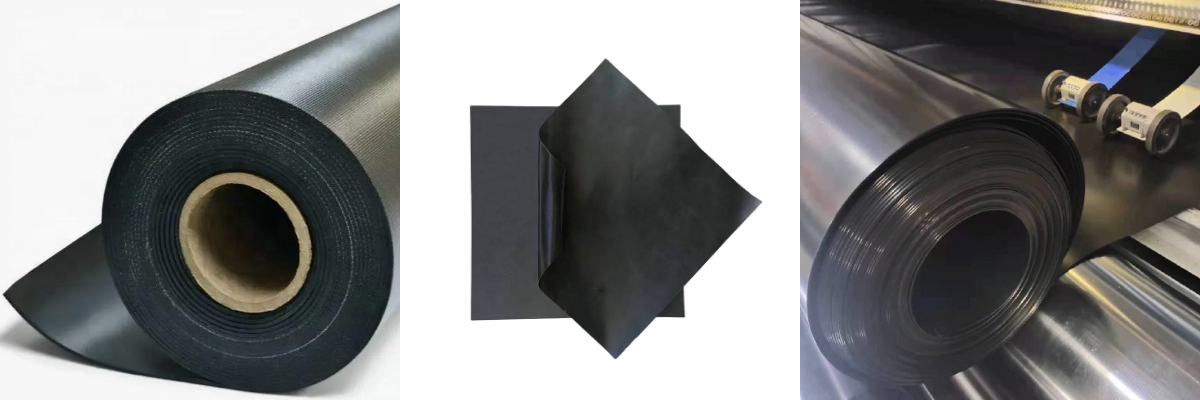
HDPE geomembranes are manufactured through extrusion or calendering processes using virgin polyethylene resin, reinforced with carbon black for UV resistance and antioxidants for longevity. The 0.5mm thickness represents a balance between flexibility for installation and mechanical strength for durability. Key technical parameters are summarized in Table 1:
Table 1: Core Specifications of 0.5mm HDPE Geomembranes
| Parameter | Value Range | Test Method (ASTM) |
Thickness | 0.50 ± 0.05 mm | D5199 |
Density | ≥ 0.940 g/cm³ | D1505 |
Tensile Strength (Yield) | 8–14 kN/m | D6693 Type IV |
Tensile Elongation (Break) | ≥ 700% | D6693 Type IV |
Tear Resistance | 64–93 N | D1004 |
Puncture Resistance | 160–240 N | D4833 |
Stress Crack Resistance | ≥ 500 hours | D5397 |
Carbon Black Content | 2.0–3.0% | D1603 |
UV Resistance (OIT Retention) | ≥ 65% after 1,600 hours | D5885 |
These values align with international standards such as ASTM GRI GM13 and IS 15351-2015, ensuring compatibility with global engineering practices. Notably, the 0.5mm thickness achieves a hydraulic conductivity of 1.0 × 10⁻¹⁴ cm/sec, effectively preventing water migration even under hydrostatic pressures of up to 600 lb/in² (4.14 MPa).
Performance in Agricultural Lake Applications
The suitability of 0.5mm HDPE geomembranes for agricultural lakes stems from their ability to address three primary challenges:
1. Water Seepage Control
Shallow lakes (depth < 2m) experience significant seepage losses, particularly in permeable soils. A 0.5mm HDPE liner reduces seepage rates by 99.9% compared to unlined basins, as demonstrated in field trials across India and Southeast Asia. For example, a 1-hectare lake with a 1.5m water depth saved approximately 12,000 m³/year of water after lining, equivalent to the annual irrigation needs of 8 hectares of paddy fields.
2. Soil and Water Quality Protection
HDPE geomembranes act as a barrier against contaminants such as pesticides, fertilizers, and heavy metals. Laboratory tests show that carbon black-stabilized liners reduce leaching of nitrate-nitrogen by 85% and phosphate by 72% over 10-year periods. This is critical for preventing eutrophication in downstream ecosystems and maintaining compliance with agricultural water quality regulations.
3. Longevity Under Agricultural Conditions
The 0.5mm thickness provides adequate resistance to mechanical stresses from installation, foot traffic, and root penetration. In a 15-year study of lined irrigation reservoirs, geomembranes exhibited less than 5% degradation in tensile properties, with no visible cracks or punctures. This durability translates to a 50-year design life when properly installed and maintained.
Table 2: Comparative Performance of 0.5mm HDPE Geomembranes in Agricultural Lakes
| Metric | 0.5mm HDPE Liner | Unlined Basin | Improvement |
Annual Seepage Loss (m³) | 120 | 12,000 | 99% |
Nitrate Leaching (kg/ha) | 2.1 | 14.0 | 85% |
Installation Cost ($/m²) | 1.20 | N/A | – |
Maintenance Cost ($/year) | 0.05 | 0.30 | 83% |
Conclusion
The 0.5mm HDPE geomembrane represents a technologically advanced yet practical solution for agricultural lake management. Its proven performance in seepage control, water quality protection, and long-term durability makes it indispensable for modern irrigation systems, aquaculture ponds, and reservoirs. As global water scarcity intensifies, the adoption of such liners will play a pivotal role in ensuring food security and ecological resilience in agricultural landscapes.
References: Data derived from ASTM International standards, field trial reports from agricultural research institutions, and peer-reviewed studies on geomembrane performance in tropical and subtropical climates.