Español
 Francés
 Русский
 Indonesia
 العربية
 Português
 Deutsch
 ไทย
ไทย
 Pilipino


Dam Liner Price
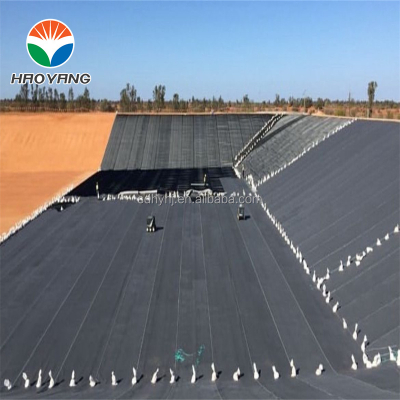
Dam liner price advantage comes from HDPE geomembrane’s long lifespan, reducing replacement and lifecycle costs.
Dam liner price optimization is achieved through excellent impermeability, minimizing water loss and improving efficiency.
Dam liner price performance ratio is enhanced by strong chemical resistance and UV stability for harsh environments.
Dam liner price competitiveness increases with flexible thickness options, ensuring the right balance between cost and durability.
I. Dam Liner Price Fundamentals and Market Reality
1. What Dam Liner Price Really Represents
When evaluating dam liner price, it is important to understand that it reflects more than material cost. It includes durability, installation efficiency, and long-term performance of HDPE geomembrane. In practice, the lowest upfront price often leads to higher lifecycle costs due to maintenance and failure risks.
2. Key Factors Influencing Dam Liner Price
(1) Resin grade (virgin vs recycled HDPE)
(2) Thickness and mechanical performance requirements
(3) Carbon black content and UV resistance
(4) Manufacturing standard such as GRI GM13 compliance
Table 1: Core Technical Indicators Affecting Value
Parameter | Typical Standard (GRI GM13) | Impact on Price |
Density | ≥ 0.940 g/cm3 | Higher density improves durability |
Carbon black | 2.0–3.0% | Increases UV lifespan |
OIT (Std) | ≥ 100 min | Enhances oxidation resistance |
Thickness tolerance | ±10% | Ensures consistent quality |
Before moving into performance, it helps to connect these specifications with real engineering outcomes. That is where HDPE geomembrane starts to justify its value.
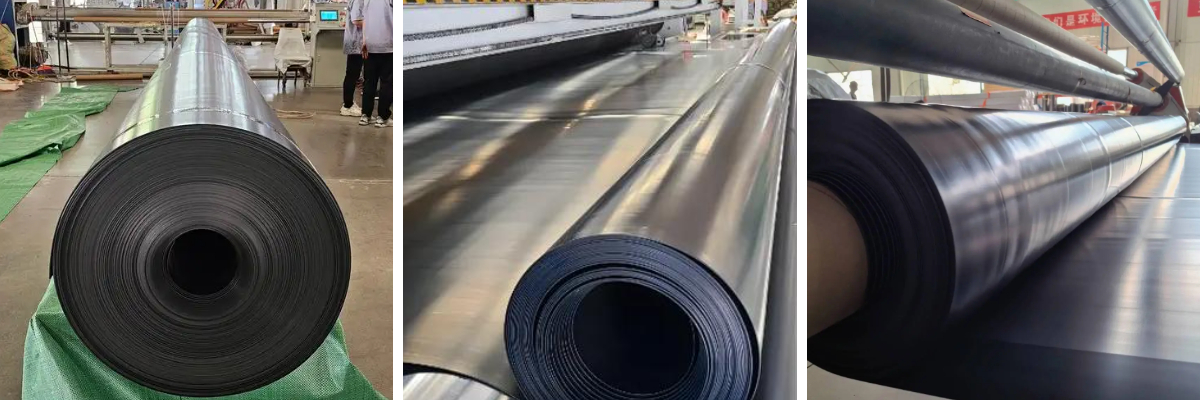
II. Dam Liner Price vs Performance: Why HDPE Leads
1. Impermeability and Water Loss Reduction
(1) Permeability coefficient typically < 1×10^-13 m/s
(2) Reduces seepage losses in reservoirs by over 90% compared to unlined soil (based on typical soil permeability ranges 10^-5 to 10^-7 m/s)
2. Mechanical Strength and Flexibility
HDPE geomembrane combines high tensile strength with elongation, allowing it to absorb settlement without rupture.
Table 2: Mechanical Properties (Typical GM13 Values)
Property | Value |
Tensile strength at yield | ≥ 15 kN/m |
Tensile strength at break | ≥ 27 kN/m |
Elongation at break | ≥ 700% |
Puncture resistance | ≥ 480 N |
3. UV and Chemical Resistance Advantage
HDPE geomembranes are designed for outdoor exposure with carbon black stabilization, offering long-term resistance to sunlight and aggressive chemicals.
With performance clarified, the next logical step is to see how this translates into real project scenarios and cost decisions.
III. Application Scenarios and Cost Optimization Strategy
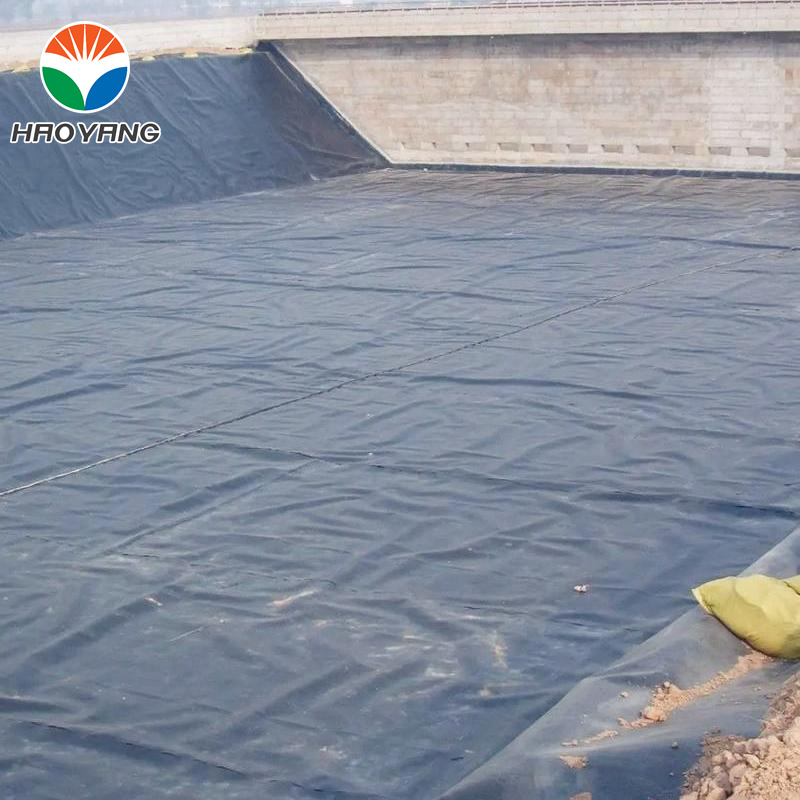
1. Reservoir and Dam Projects
Pain Point: Continuous seepage and water loss
Solution: HDPE geomembrane liners reduce seepage dramatically, improving water retention efficiency and lowering operating costs
2. Agricultural Irrigation Systems
Pain Point: High maintenance frequency and leakage
Solution: Flexible liners adapt to soil movement, reducing repair cycles
3. Mining and Industrial Containment
Pain Point: Chemical exposure and environmental compliance risk
Solution: HDPE liners provide strong resistance to acids, alkalis, and leachate
Table 3: Recommended Thickness by Application
Application | Thickness Range |
Dam and reservoir | 1.0 – 1.5 mm |
Mining heap leach | 1.5 – 2.5 mm |
Irrigation ponds | 0.5 – 1.0 mm |
Now that application fit is clear, it is worth stepping back and looking at how the market itself shapes dam liner price.
IV. Dam Liner Price Trends and Market Insights
1. Raw Material Driven Price Trends
HDPE geomembrane pricing is closely linked to polyethylene resin markets. Global HDPE resin prices follow cycles influenced by crude oil, supply chain conditions, and regional demand.
(1) Oil price impact: Polyethylene is derived from petrochemicals
(2) Supply chain: Logistics and export policies affect cost
(3) Demand cycles: Infrastructure and mining investment drive consumption
Table 4: Key Market Drivers Affecting Dam Liner Price
Factor | Influence on Price |
Crude oil price | Direct impact on resin cost |
Freight cost | Affects delivered price |
Project scale | Larger volume reduces unit cost |
Specification level | Higher specs increase price |
2. Regional Price Variation Factors
Dam liner price varies depending on labor cost, import duties, and compliance standards across regions.
Understanding market dynamics is important, but project cost is also heavily influenced by what happens on-site.
V. Installation Efficiency and Hidden Cost Factors
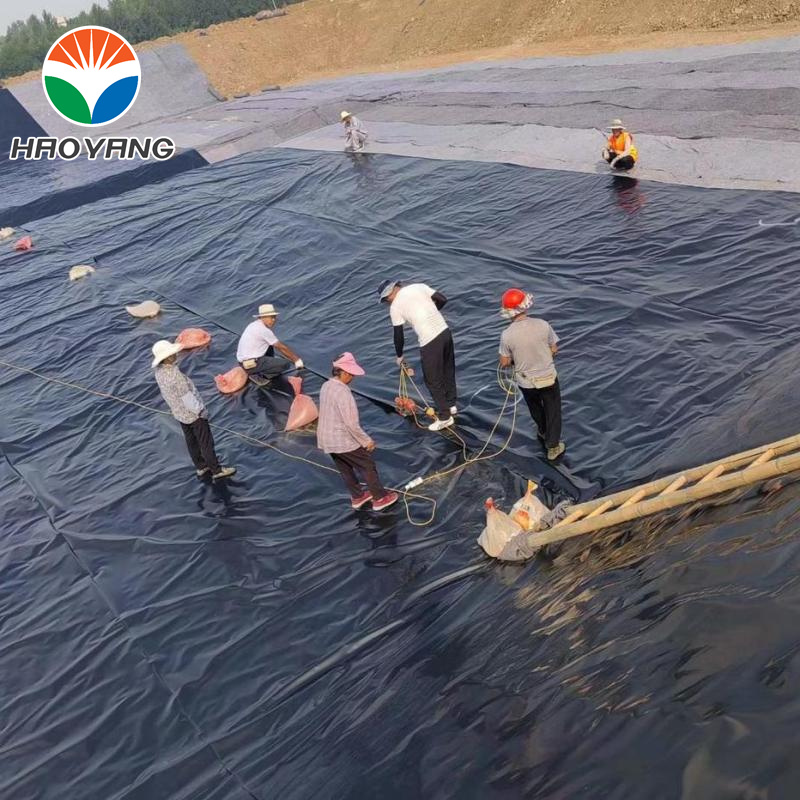
1. Installation Impacts Total Cost
(1) Wider rolls reduce seam quantity and labor time
(2) Proper subgrade preparation minimizes damage risk
2. Welding and Quality Control
Reliable welding methods such as hot wedge welding ensure seam integrity, which is critical for long-term performance.
Table 5: Installation Quality Control Methods
Test Method | Purpose |
Air pressure test | Detect seam leakage |
Vacuum test | Surface inspection |
Peel test | Evaluate weld strength |
Once installation is optimized, the real value of dam liner price becomes visible over time.
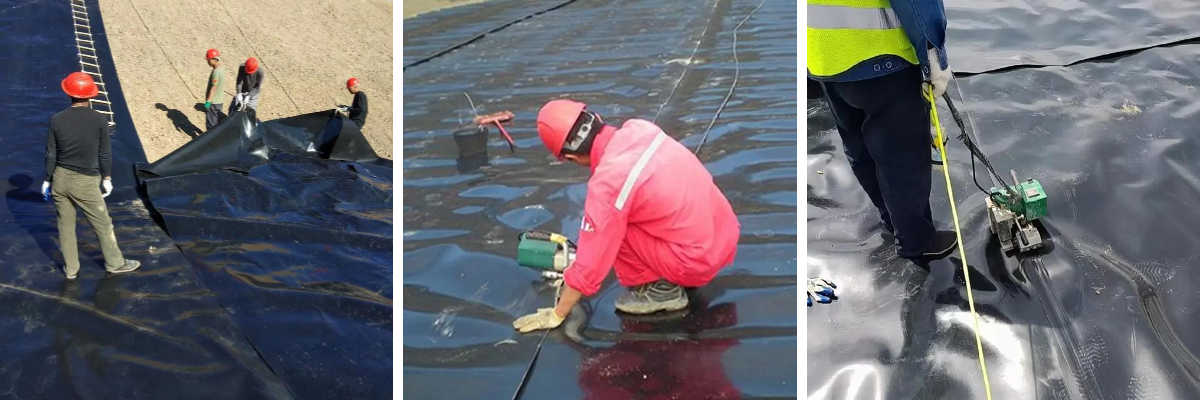
VI. Lifecycle Value: The Real Meaning of Dam Liner Price
1. Long Service Life
HDPE geomembranes can last 20–50 years depending on exposure conditions, supported by field studies and industry guidelines.
2. Reduced Maintenance Cost
Fewer repairs and lower leakage risk translate into lower operational costs over time.
3. Environmental and Regulatory Benefits
Using high-quality liners helps meet environmental regulations and reduces contamination risks.
Table 6: Lifecycle Comparison
Factor | Low-Quality Liner | HDPE Geomembrane |
Lifespan | Short | Long |
Maintenance | Frequent | Minimal |
Seepage control | Moderate | Excellent |
Risk level | High | Low |
At this stage, the decision is no longer about price alone, but about choosing a reliable partner.
VII. Manufacturer Strength and Practical Buying Strategy
1. Why Manufacturing Capability Matters
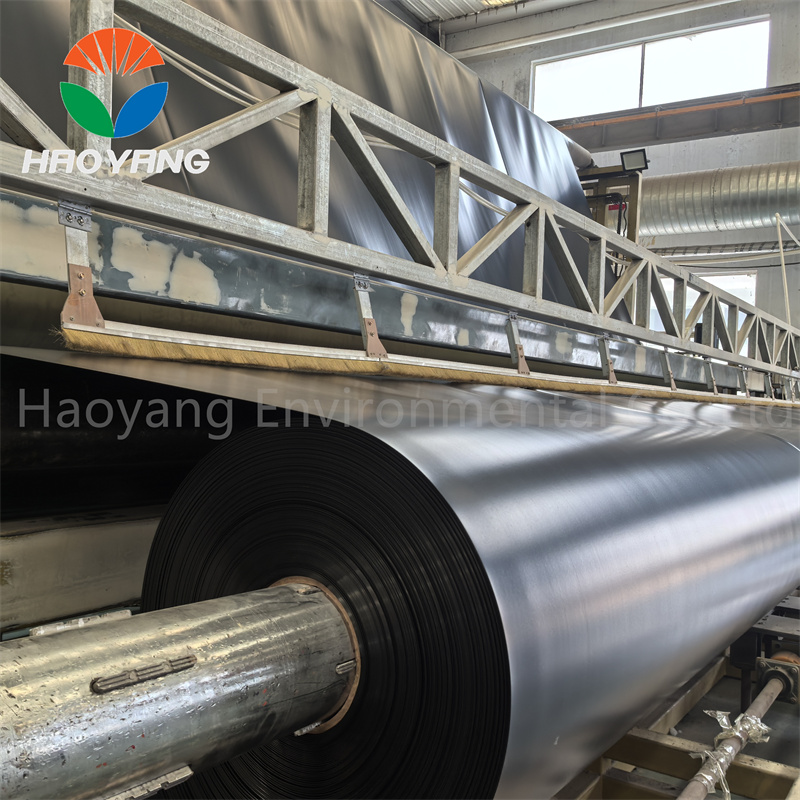
A strong manufacturer ensures consistent thickness control, stable raw material sourcing, and compliance with international standards. This directly impacts dam liner price stability and project reliability.
2. Haoyang Factory Strength Overview
(1) Established production system with multiple geomembrane lines
(2) Full range of geosynthetics including HDPE geomembrane, geotextile, drainage net, and GCL
(3) Export experience in mining and infrastructure projects across Asia, Africa, and South America
(4) Strict quality control aligned with international standards
3. Practical Buying Strategy
(1) Match specification to actual project conditions
(2) Evaluate total system cost, not just unit price
(3) Work with experienced suppliers to reduce risk
VIII. Call to Action: Turn Price Into Long-Term Value
If you are currently comparing dam liner price for a reservoir, mining, or irrigation project, the key is to look beyond short-term cost. The right HDPE geomembrane solution can significantly reduce leakage, maintenance, and long-term risk.
Whether you need technical support, specification guidance, or a tailored solution, working with an experienced manufacturer can make the difference. Reach out to discuss your project requirements and get a solution that balances performance and cost effectively.
In real projects, dam liner price is not just a number. It is a strategic decision that defines performance, durability, and long-term success.