Español
 Francés
 Русский
 Indonesia
 العربية
 Português
 Deutsch
 ไทย
ไทย
 Pilipino


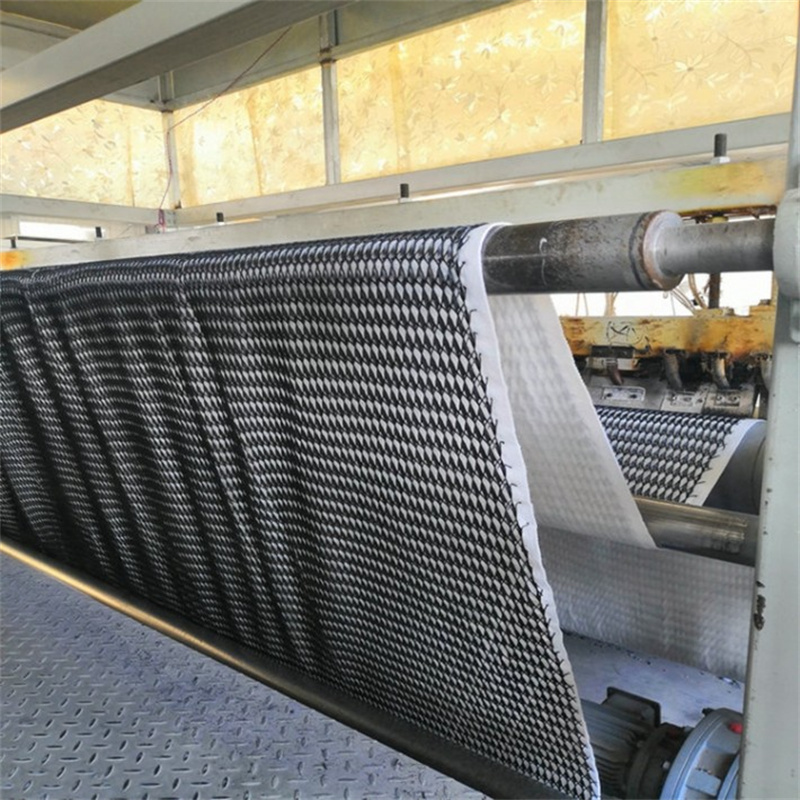
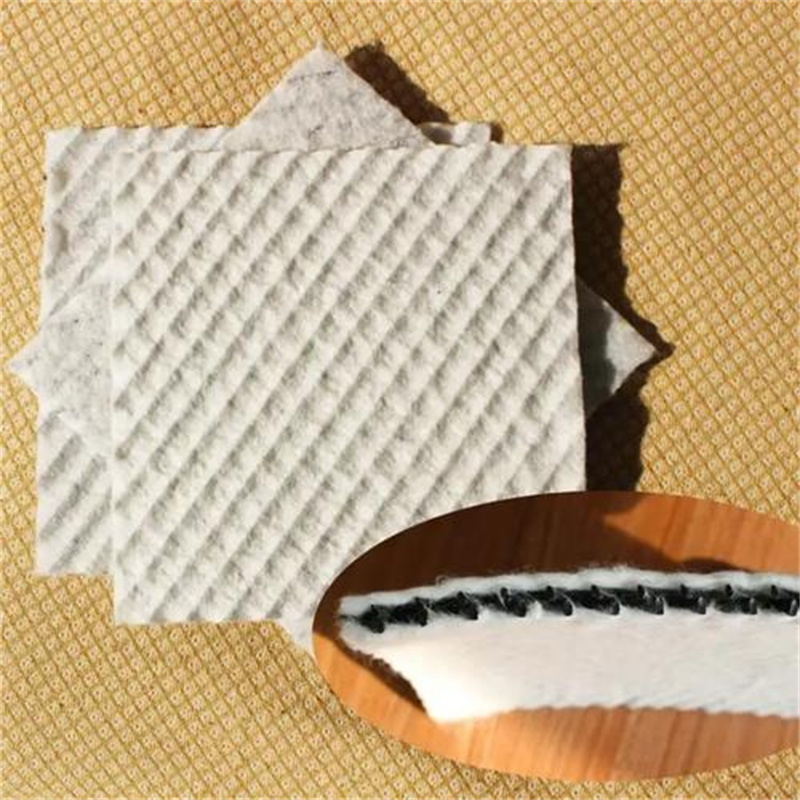
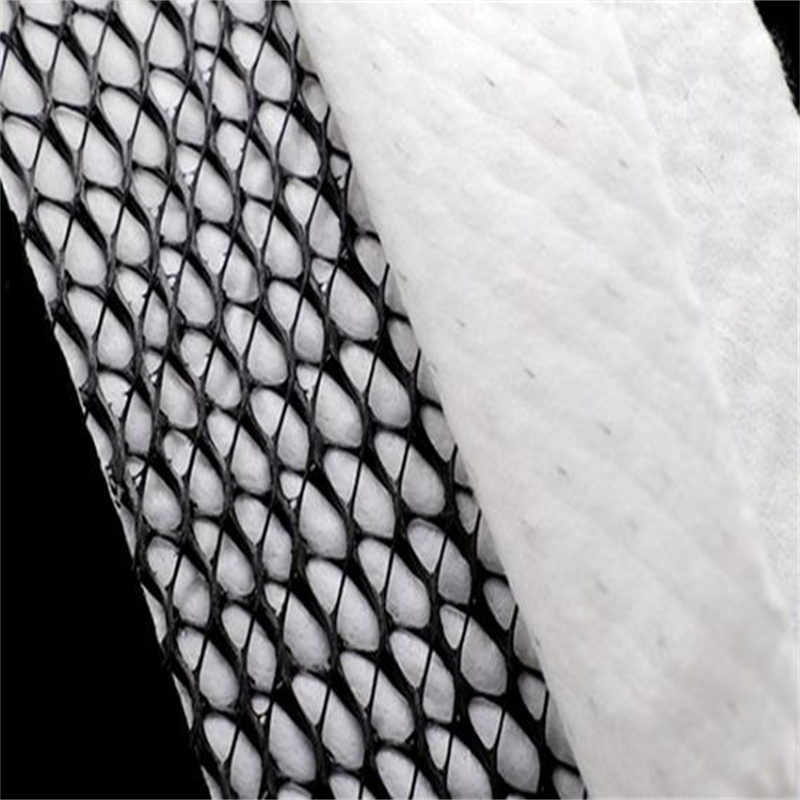
200g 5.0mm 200g Composite Drainage Net
1. Dual-Layer Filtration + Core Drainage: 200g nonwovens trap silt while 5.0mm PP core enables 25+ m³/h/m water flow, ideal for basement waterproofing & landfill leachate management.
2. Heavy-Duty Load Resistance: Withstands 60 kPa pressure, stabilizing road subgrades and retaining walls without core collapse.
3. UV & Chemical Resilience: Survives 1200+ hours of sunlight and resists industrial acids/alkalis for 10+ years in harsh environments.
4. All-Weather Performance: Operates in -25°C to 70°C climates, adapting to frozen ground, tropical downpours, and everything in between.
200g/5.0mm/200g Composite Drainage Net: Mastering Water Management
The 200g/5.0mm/200g Composite Drainage Net is a cutting-edge geosynthetic product designed to revolutionize water management across diverse applications. Combining a robust 5.0mm core with high-quality 200g nonwoven geotextile layers, this net offers unparalleled performance in drainage, soil stabilization, and environmental protection.
1. Tri - layer Structural Marvel
The composite drainage net's unique three - layer design is the key to its exceptional functionality:
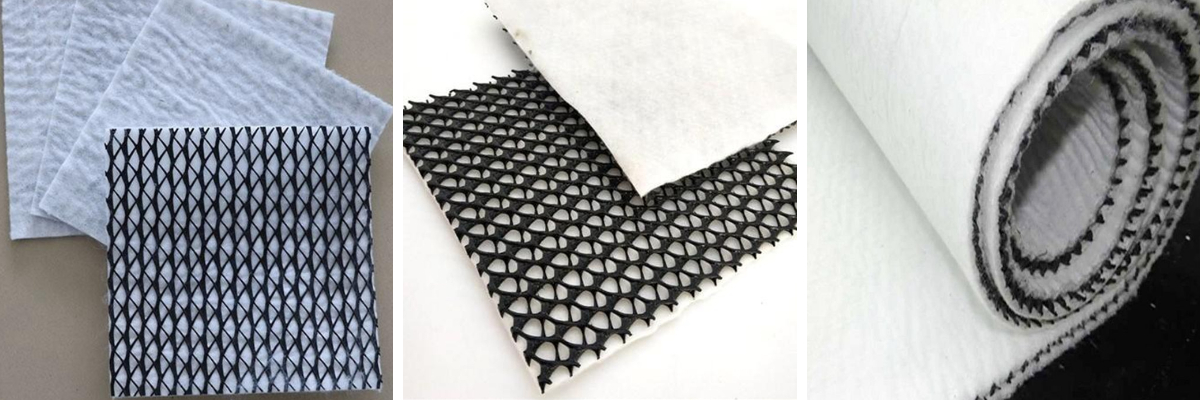
Outer Filtration Layers: Comprising 200g nonwoven geotextiles, these outer layers act as a fine - tuned filtration system. They effectively block soil particles, debris, and sediment, preventing clogging of the drainage core while allowing water to permeate smoothly. The nonwoven material also provides flexibility, conforming to uneven surfaces without tearing.
Central Drainage Core: The 5.0mm thick core, crafted from high-strength polypropylene (PP), features a structured, honeycomb - like architecture. This design creates large, unobstructed channels for water flow, ensuring rapid and efficient drainage even under high hydraulic pressure. The core's rigidity enables it to withstand significant loads without deforming, maintaining optimal drainage performance over time.
2. Technical Specifications at a Glance
Property | Specification | Testing Standard |
Total Weight | 1050g/m² (650g net core + 400g geotextile) | ASTM D5261 |
Core Thickness | 5.0mm | ASTM D5199 |
Tensile Strength (Machine Direction - Nonwoven) | ≥18 kN/m | ISO 10319 |
Tensile Strength (Cross Direction - Nonwoven) | ≥15 kN/m | ISO 10319 |
Hydraulic Conductivity | Up to 25 m³/(h·m) | ASTM D4491 |
Compressive Strength | Up to 60 kPa | ASTM D1883 |
Chemical Resistance | Excellent against alkalis, good against common acids | ASTM D543 |
UV Resistance | Retains ≥80% of tensile strength after 1200 hours of UV exposure | ASTM G154 |
3. Unrivaled Performance Highlights
(1) Turbocharged Drainage Efficiency
With a hydraulic conductivity of up to 25 m³/(h·m), the 200g/5.0mm/200g Composite Drainage Net can handle large volumes of water with ease. In stormwater management systems, it quickly diverts runoff, reducing the risk of flooding and soil erosion. For example, in urban areas prone to flash floods, this net can drain water 4 times faster than traditional gravel - based drainage methods, ensuring streets and infrastructure remain dry.
(2) Load - bearing Powerhouse
The net's robust construction allows it to withstand compressive loads of up to 60 kPa. In road construction, it stabilizes subgrades by distributing the weight of heavy vehicles evenly, reducing pavement rutting and extending the lifespan of the road. For railway embankments, it supports the constant pressure from trains, preventing soil displacement and maintaining track stability.
(3) Self - cleaning Filtration Mechanism
The 200g nonwoven outer layers work in harmony with the core to create a self - cleaning effect. As water flows through, the filtration layers trap sediment, but the force of the water flow periodically flushes out accumulated debris, preventing long - term clogging. In agricultural irrigation systems, this means less maintenance and more consistent water delivery to crops.
(4) Extreme Environment Survivor
Engineered to endure harsh conditions, the composite net resists degradation from UV radiation, chemicals, and extreme temperatures. After 1200 hours of UV exposure, it retains 80% of its tensile strength, making it suitable for long - term outdoor use. Whether it's installed in the acidic soil of a mine tailing site or the sun - baked deserts for solar farm drainage, the net maintains its integrity.
(5) Sustainable and Cost - effective
Made from recyclable materials, the 200g/5.0mm/200g Composite Drainage Net aligns with green construction initiatives. Its recyclability reduces the environmental impact, and its long service life of over 10 years minimizes replacement costs. Additionally, its lightweight design (400g/m²) cuts down on transportation and installation expenses, making it an economical choice for projects of all scales.
4. Diverse Application Scenarios
(1) Infrastructure Development
Road and Bridge Projects: Installed beneath roadbeds and bridge approaches, the net drains groundwater and surface water, preventing soil softening and enhancing the stability of the infrastructure. It also protects the underlying layers from damage caused by water - induced erosion.
Building Basements: Used for basement waterproofing, the composite net redirects water away from the foundation, preventing seepage and moisture - related damage. Its high - flow capacity ensures that even during heavy rain, basements remain dry and safe.
(2) Environmental Protection
Landfill and Waste Sites: As part of landfill leachate collection systems, the net efficiently drains contaminated water, preventing it from seeping into the groundwater. Its chemical resistance protects it from the corrosive effects of leachate, ensuring long - term environmental safety.
Coastal and Riverbank Restoration: In coastal and riverbank projects, the net stabilizes soil against the erosive forces of water. When combined with vegetation, it creates a living, permeable barrier that protects the shoreline while allowing for natural water flow.
(3) Agricultural Innovation
Field Drainage: In agricultural fields, the composite net improves soil aeration and drainage, preventing waterlogging that can damage crops. It helps maintain optimal soil moisture levels, promoting healthy root growth and increasing crop yields.
Greenhouse Management: Inside greenhouses, the net is used for floor drainage, preventing the buildup of excess water that can lead to fungal diseases. Its easy installation and maintenance make it a popular choice for horticultural applications.
5. Product Usage Instructions
(1) Pre - installation Preparation
Site Preparation: Clear the installation area of any debris, rocks, or roots. Ensure the ground is leveled and compacted according to project requirements. For sloped areas, grade the slope to facilitate proper water flow towards the drainage outlets.
Measurement and Planning: Accurately measure the area where the net will be installed. Plan the layout, taking into account the direction of water flow, connection points to existing drainage systems (such as pipes or ditches), and any obstacles in the area. Calculate the required length and quantity of the net, allowing for an overlap of 20 - 30 cm at the joints.
(2) Installation Steps
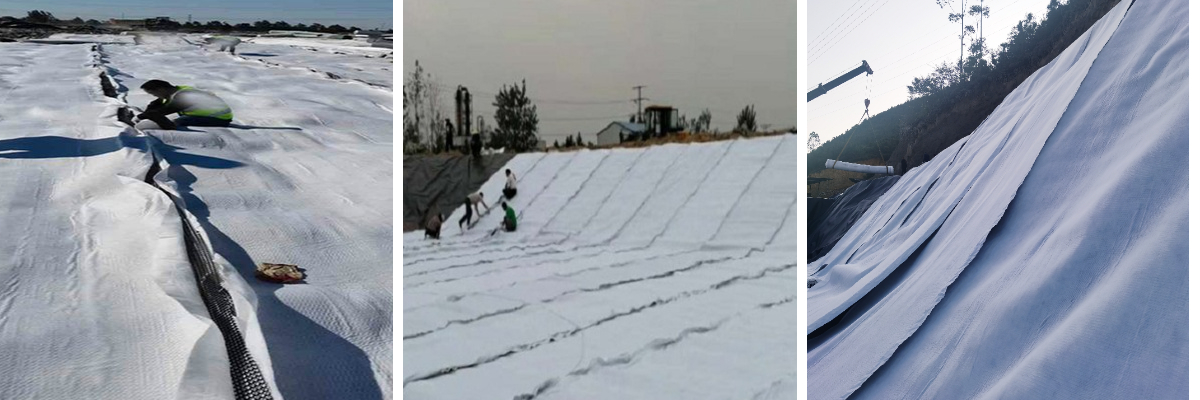
Unrolling the Net: Start unrolling the composite drainage net from one end of the installation area. Unroll it slowly and smoothly, ensuring it lies flat and follows the planned layout. If using multiple rolls, position them so that the edges align for proper connection.
Joining the Net: Overlap the ends of adjacent rolls by 20 - 30 cm. Use geosynthetic adhesive tapes or stitching methods (with UV - resistant thread) to securely join the overlapping sections. Make sure the joints are sealed tightly to prevent water leakage.
Anchoring the Net: Secure the net to the ground using U - shaped landscape staples or pins. Insert the staples every 50 - 100 cm along the edges and at regular intervals across the net to prevent it from shifting or moving. In areas with high water pressure, increase the density of staples.
Connecting to Drainage Systems: Connect the composite drainage net to the existing drainage infrastructure (e.g., pipes, channels) using appropriate connectors or adapters. Ensure a watertight connection to allow for seamless water flow from the net to the drainage system.
(3) Post - installation Maintenance
Regular Inspection: Periodically inspect the installed net, especially after heavy rainfall or extreme weather events. Check for any signs of damage, such as tears, punctures, or displacement. Also, ensure that the net remains properly anchored and connected to the drainage system.
Debris Removal: Remove any accumulated debris (such as leaves, soil, or sediment) from the surface of the net. Clogged nets can reduce drainage efficiency, so regular cleaning is essential. Use a soft - bristle brush or a gentle stream of water to clean the net without causing damage.
For customized 200g/5.0mm/200g Composite Drainage Net solutions tailored to your specific project needs, contact our expert team today. We offer comprehensive technical support, on - site consultation, and flexible product customization options to ensure the success of your project.