Español
 Francés
 Русский
 Indonesia
 العربية
 Português
 Deutsch
 ไทย
ไทย
 Pilipino


Geomembrane Demand Continues to Rise as Environmental Protection and Infrastructure Projects Expand Worldwide
The global market for geomembrane materials continues to grow steadily as industries place greater emphasis on environmental protection, water conservation, and long-term infrastructure reliability. From mining and landfill engineering to agriculture, aquaculture, and municipal water management, geomembranes have become a critical component in modern containment and lining systems.
As a manufacturer specializing in geosynthetics since 2008, Haoyang Environmental Co., Ltd. has observed a clear acceleration in international demand for HDPE geomembrane, pond liner geomembrane, and landfill geomembrane systems, particularly in regions where environmental regulations and resource management requirements are becoming more stringent.
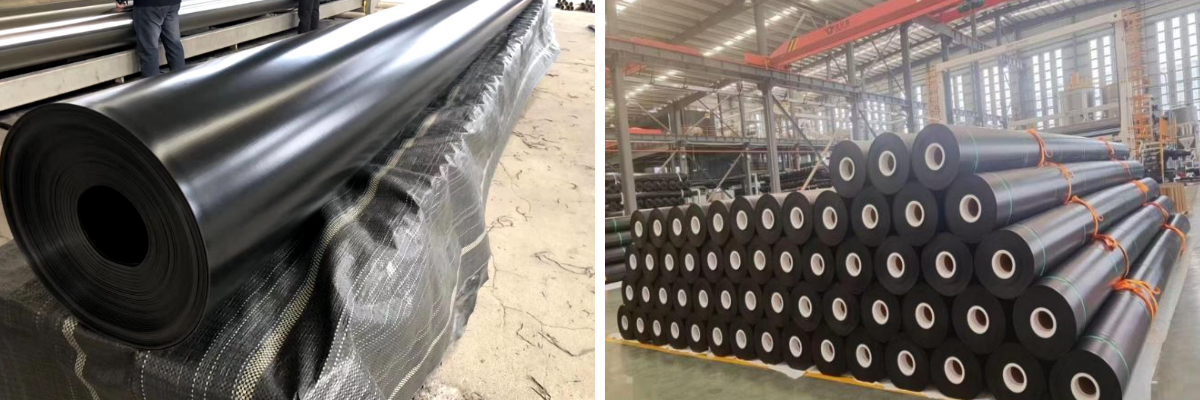
Growing Importance of Geomembrane in Environmental Engineering
Geomembranes are widely recognized for their ability to provide effective anti-seepage barriers, preventing contamination of soil and groundwater while improving operational efficiency in large-scale engineering projects. With increasing global investment in infrastructure and environmental protection, the application scope of geomembranes continues to expand.
In mining, geomembrane liners play a key role in heap leach pads, tailings storage facilities, and process water ponds, ensuring safe containment of chemicals and reducing environmental risk. In municipal engineering, geomembranes are essential for landfill liner systems, wastewater treatment facilities, and stormwater reservoirs. Meanwhile, in agriculture and aquaculture, geomembranes help improve water retention, reduce seepage losses, and support sustainable irrigation practices.
Industry analysts predict that the geomembrane market will continue to grow over the coming decade, driven by urbanization, water scarcity concerns, and stricter environmental compliance standards worldwide.
HDPE Geomembrane Remains the Preferred Material
Among various geomembrane materials, HDPE geomembrane remains the most widely used due to its high tensile strength, chemical resistance, UV stability, and long service life. These characteristics make HDPE geomembranes particularly suitable for demanding environments such as mining sites, landfills, and industrial wastewater containment systems.
Modern production technology has further enhanced the performance of geomembranes, allowing manufacturers to produce wider sheets with improved thickness uniformity and mechanical properties. Wide-width geomembranes help reduce welding seams, improving installation efficiency and minimizing potential leakage risks.
Haoyang Environmental operates advanced production lines capable of manufacturing smooth and textured HDPE geomembranes in multiple thicknesses and surface types. Textured geomembranes, in particular, provide improved friction performance and slope stability, making them suitable for steep embankments and challenging terrain conditions.
Key Performance Factors in Geomembrane Selection
When selecting geomembranes for engineering projects, several performance indicators are considered critical:
Tensile strength and elongation
Environmental stress crack resistance
Puncture resistance
UV and oxidation resistance
Chemical compatibility
Long-term durability
High-quality geomembranes must meet recognized international standards to ensure reliable performance over decades of service. For projects involving hazardous materials or sensitive environmental conditions, long-term durability and welding quality are especially important considerations.
Haoyang Environmental maintains strict quality control procedures and operates under internationally recognized certifications, ensuring that its geomembrane products meet project requirements across diverse climates and application conditions.
Expanding Applications in Water Management and Agriculture
One of the fastest-growing application areas for geomembranes is water management, particularly in regions facing water scarcity. Irrigation reservoirs, aquaculture ponds, and agricultural water storage facilities increasingly rely on pond liner geomembranes to reduce seepage and preserve valuable water resources.
Geomembranes also contribute to improved crop yields by enabling efficient irrigation infrastructure and reducing maintenance costs. In aquaculture, geomembrane liners help maintain water quality, prevent contamination, and simplify cleaning operations, supporting more stable production environments.
As governments and private investors continue to prioritize food security and sustainable agriculture, geomembranes are expected to remain an essential material in modern agricultural engineering.
Landfill and Waste Containment Remain Core Markets
Another major driver of geomembrane demand is the ongoing expansion and modernization of municipal solid waste landfills. Properly designed landfill liner systems rely on geomembranes to prevent leachate from entering surrounding soil and groundwater.
Composite liner systems combining geomembranes with geotextiles or geosynthetic clay liners provide additional protection and structural stability. As environmental standards tighten, high-performance landfill geomembranes with reliable welding performance and long service life are becoming increasingly important.
Haoyang Environmental supplies geomembrane solutions suitable for landfill lining, wastewater treatment projects, and industrial containment facilities, supporting environmental compliance and operational safety.
Manufacturing Technology and Quality Assurance
The performance of geomembranes depends not only on raw materials but also on manufacturing processes and quality control systems. Modern extrusion and blown-film production technologies enable consistent thickness distribution and improved mechanical performance.
Wide-width geomembrane production lines also contribute to reduced installation time and improved project efficiency. Fewer seams mean lower risk of leakage and lower overall installation costs, which is a key consideration in large-scale mining and landfill projects.
Haoyang Environmental continues to invest in production technology, testing equipment, and technical expertise to ensure stable product quality and reliable supply for international customers.
Supporting Global Engineering Projects
Over the past decade, geomembranes have become a standard material in infrastructure and environmental engineering projects worldwide. Haoyang’s geomembrane products have been supplied to projects in Asia, Africa, and Latin America, including mining operations, irrigation systems, industrial containment facilities, and municipal infrastructure.
As global engineering standards continue to evolve, project owners increasingly seek suppliers that combine manufacturing capability, technical support, and consistent quality. Reliable delivery schedules and responsive communication are also becoming key factors in supplier selection.
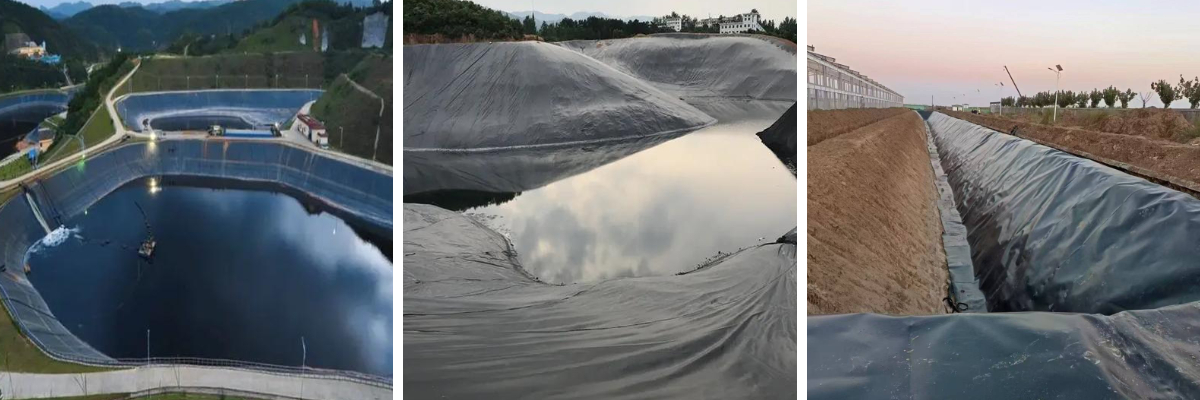
Outlook: Geomembrane as a Foundation of Sustainable Development
Looking ahead, the role of geomembranes in environmental engineering is expected to grow even further. Climate change, water resource management, and stricter environmental regulations will continue to drive demand for high-performance containment materials.
From mining and landfills to agriculture and water conservation, geomembranes provide a practical and cost-effective solution for protecting natural resources and supporting sustainable infrastructure development.
Haoyang Environmental remains committed to advancing geomembrane technology, improving product performance, and supporting global engineering projects with reliable and durable geosynthetic materials.