Español
 Francés
 Русский
 Indonesia
 العربية
 Português
 Deutsch
 ไทย
ไทย
 Pilipino


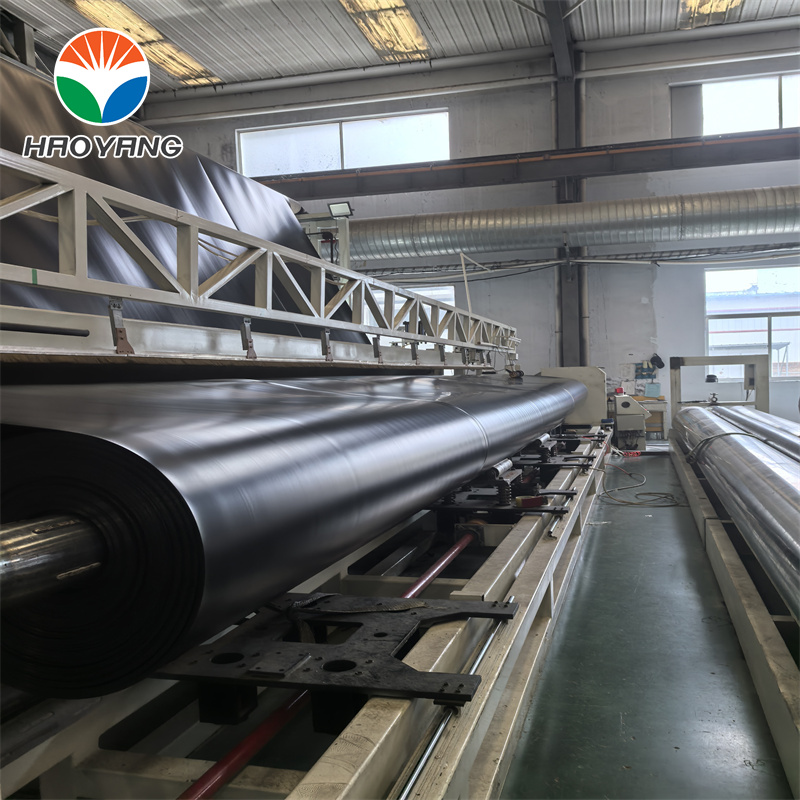
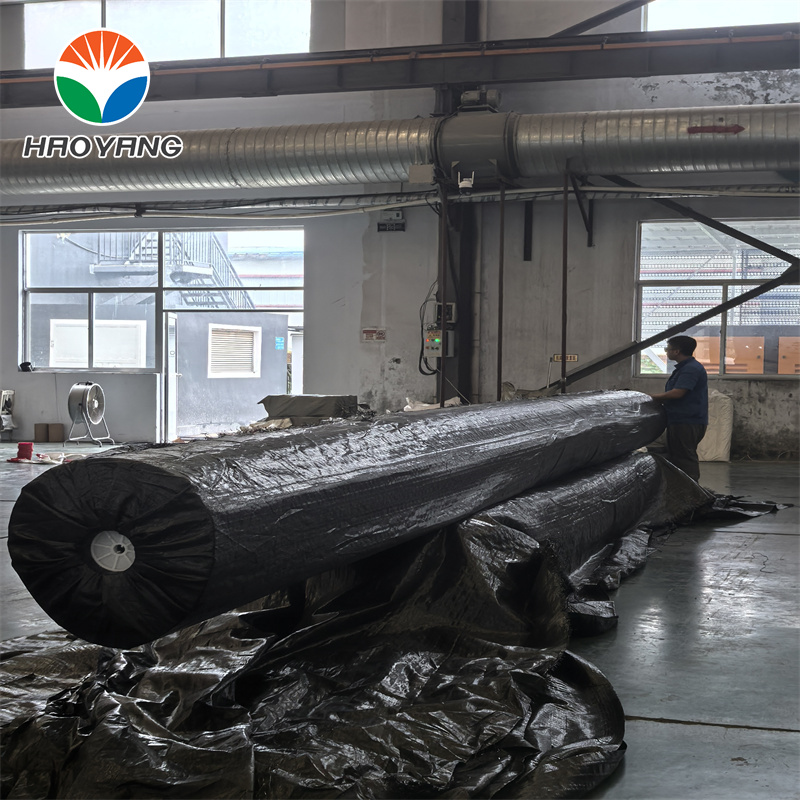
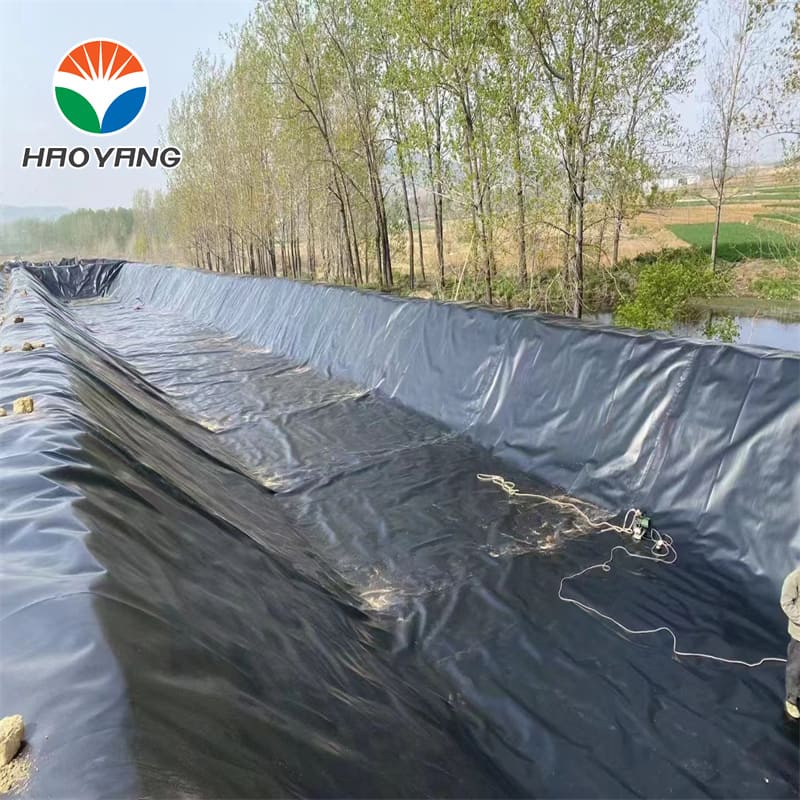
Waterproof Geomembrane for Agriculture
1. Agricultural Water Conservation: Creates a waterproof barrier in irrigation canals or ponds, cutting water seepage loss by 80% to ensure more water reaches crop roots.
2. Crop Protection: Prevents soil waterlogging by containing and directing moisture, reducing root rot risk for vegetables, fruits, and grains in farm fields.
3. Farm Durability: UV-resistant and tear-proof design withstands outdoor agricultural conditions—handles farm equipment traffic and harsh weather for 15+ years.
4. Versatile Farm Use: Easy to install in small garden ponds or large irrigation systems, adapting to different agricultural water management needs.
Waterproof Geomembrane for Agriculture: Boosting Water Efficiency & Crop Yields
Water scarcity is a top threat to global agriculture—farmers lose 30–50% of irrigation water to seepage in unlined canals, ponds, and fields (per FAO data). The Waterproof Geomembrane for Agriculture solves this critical issue, creating a watertight barrier that preserves water, protects crops, and cuts operational costs. Below's how it transforms agricultural water management across key use cases.
I. Water Conservation: The Core Benefit for Agricultural Operations
For farmers, every drop of water matters. Waterproof Geomembrane for Agriculture eliminates seepage, ensuring more water reaches crops and reducing reliance on overused groundwater.
1. Seepage Reduction Performance
| Irrigation/Storage Type | Unlined Seepage Loss | With Waterproof Geomembrane | Water Savings |
|---|---|---|---|
| Farm Ponds (1 acre) | 5,000–8,000 L/day | 50–100 L/day | 98–99% |
| Irrigation Canals (1 km) | 20,000–30,000 L/day | 200–300 L/day | 99% |
| Crop Field Beds | 15–25% of applied water | <1% of applied water | 95%+ |
(1) Data Impact: A 10-acre farm using Waterproof Geomembrane in its irrigation system saves 1.8–2.5 million liters of water annually—enough to irrigate 2 additional acres of corn (FAO crop water requirement standards: 7,500 L/acre/season).(2) Dry Region Relevance: In arid areas like the U.S. Great Plains or Indian Punjab, seepage can render irrigation systems useless. The geomembrane's waterproof design ensures 99% of water reaches crops, maintaining yields even in droughts.
Consistent Soil Moisture(1) Unlined systems cause uneven soil moisture—dry patches reduce crop growth, while waterlogged areas trigger root rot. The geomembrane's controlled water release keeps soil moisture levels stable (15–25% for most crops), boosting yields by 15–20% (per agricultural extension studies from Purdue University).
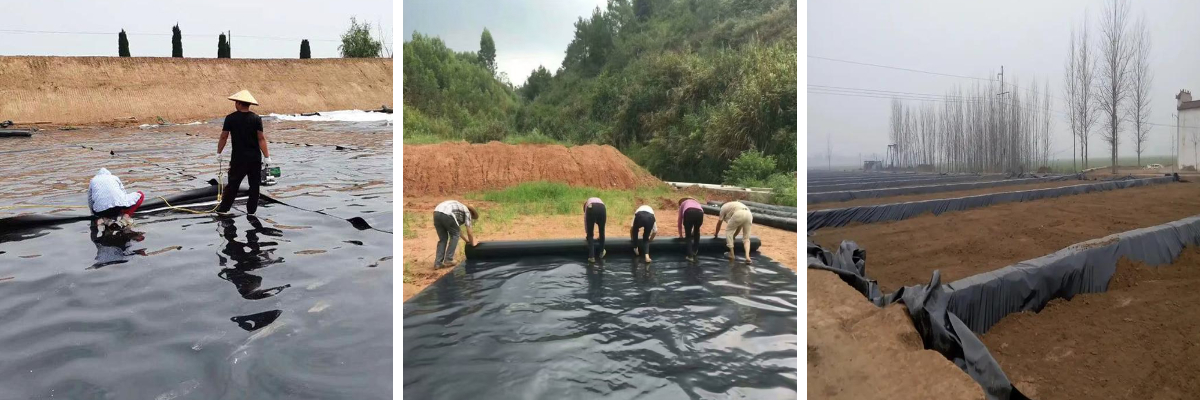
II. Crop & Soil Protection: Safeguarding Agricultural Productivity
Waterproof Geomembrane for Agriculture doesn't just save water—it also protects soil health and crop roots from damage caused by poor water management.
1. Soil Erosion Prevention
(1) Erosion Control: Flowing water in unlined canals erodes soil banks at 2–3 cm/year, reducing farmland area over time. The geomembrane’s smooth surface stops erosion, preserving 100% of canal banks for 15+ years.
(2) Sediment Reduction: Eroded soil clogs irrigation pipes, requiring monthly cleaning. The geomembrane prevents sediment buildup, cutting pipe maintenance time by 80% and reducing equipment wear.
2. Root Health & Crop Safety
(1) Waterlogging Prevention: Waterproof liners in field beds direct excess water to drainage channels, avoiding root rot—a common issue for tomatoes, cucumbers, and other moisture-sensitive crops. Farms using this system report 30% fewer crop losses to rot.
(2) Chemical Resistance: Agricultural runoff (containing fertilizers and pesticides) can degrade low-quality liners. Waterproof Geomembrane for Agriculture resists these chemicals (per ASTM D5322: stable in pH 3–11), ensuring no toxic leaching into soil or crops.
III. Durability & Climate Adaptability: Designed for Farm Conditions
Farms face harsh conditions—extreme temperatures, heavy equipment traffic, and UV exposure. Waterproof Geomembrane for Agriculture is engineered to withstand these challenges, ensuring long-term performance.
1. Toughness for Farm Use
| Test Standard | Property | Geomembrane Performance | Standard Liner Performance |
|---|---|---|---|
| ASTM D4833 | Puncture Resistance | ≥350 N | ≤150 N |
| ASTM D4632 | Tensile Strength | 12–18 kN/m | 5–8 kN/m |
| ASTM G154 | UV Stability (2,000 hrs) | Retains 90% strength | Retains 50% strength |
(1) Equipment Tolerance: Farm tractors and irrigation machinery (2–5 tons) drive over lined areas— the geomembrane's puncture resistance withstands this weight without damage, unlike thin plastic liners that tear 70% of the time.
(2) UV Resistance: In sunny regions, unprotected liners degrade in 3–5 years. The geomembrane's UV stabilizers ensure it lasts 15–20 years, even under direct sunlight.
2. Temperature & Weather Resilience
(1) Freeze-Thaw Protection: In cold climates (e.g., Canada, Northern Europe), water in unlined ponds freezes and expands, cracking banks. The geomembrane's flexibility (elongates 300–400%, ASTM D882) absorbs this pressure, avoiding damage.
(2) Rain & Flood Resistance: Heavy rains can overflow unlined ponds— the geomembrane's waterproof seal prevents water from seeping into surrounding soil, protecting crop roots from flood damage.
IV. Easy Installation & Versatility: Fits All Farm Sizes
Farms vary in size and layout—from small family gardens to 1,000-acre commercial operations. Waterproof Geomembrane for Agriculture is designed for easy installation and versatile use, minimizing disruption to farming schedules.
1. Simple, Fast Installation
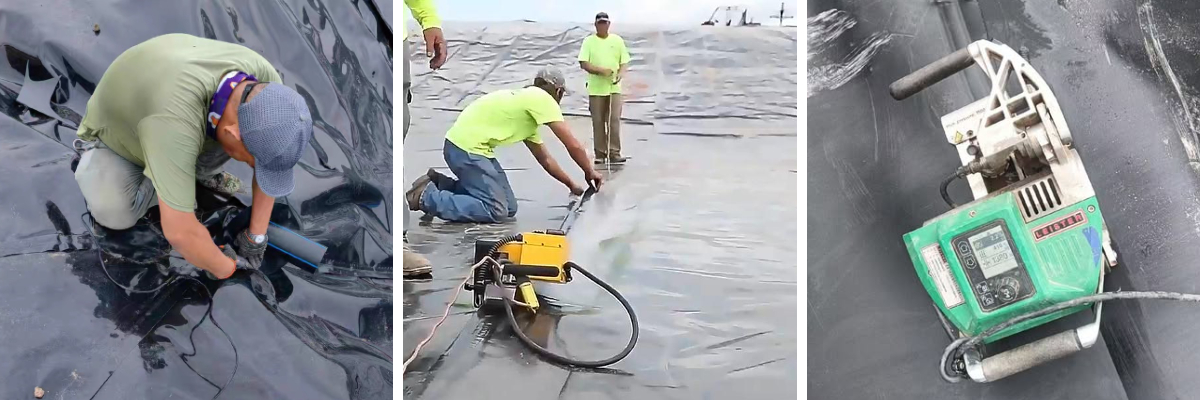
(1) Speed: A 2-person team can install 500 m² of geomembrane per day—3x faster than clay liners (which require compaction and curing). For a 1-acre pond, installation takes 2–3 days instead of 2 weeks.
(2) No Special Tools: Uses standard cutting tools and heat welders (common in farm maintenance), eliminating the need for expensive equipment rentals.
2. Versatile Agricultural Applications
(1) Pond Lining: Ideal for fish farms, irrigation reservoirs, and livestock watering ponds—non-toxic HDPE material (meets FDA 21 CFR 177.1520) is safe for aquatic life and livestock.
(2) Canal & Ditch Lining: Fits narrow irrigation ditches (1–2 m wide) and wide canals (10+ m wide), adapting to irregular shapes without extra cutting.
(3) Field Beds: Lined under raised beds for high-value crops (e.g., strawberries, lettuce) to control moisture and prevent soil contamination.
V. Why Waterproof Geomembrane Is Essential for Modern Agriculture
For farmers, Waterproof Geomembrane for Agriculture is more than a liner—it's an investment in water security, crop health, and long-term profitability. It saves water, boosts yields, reduces maintenance costs, and withstands the toughest farm conditions.
Whether you're a small-scale vegetable grower or a large commercial farmer, this geomembrane ensures your irrigation and storage systems perform at their best, even in the face of water scarcity and harsh weather.
Contact our team to customize the geomembrane's thickness (0.5–2.5 mm) and size for your specific agricultural needs.