Español
 Francés
 Русский
 Indonesia
 العربية
 Português
 Deutsch
 ไทย
ไทย
 Pilipino


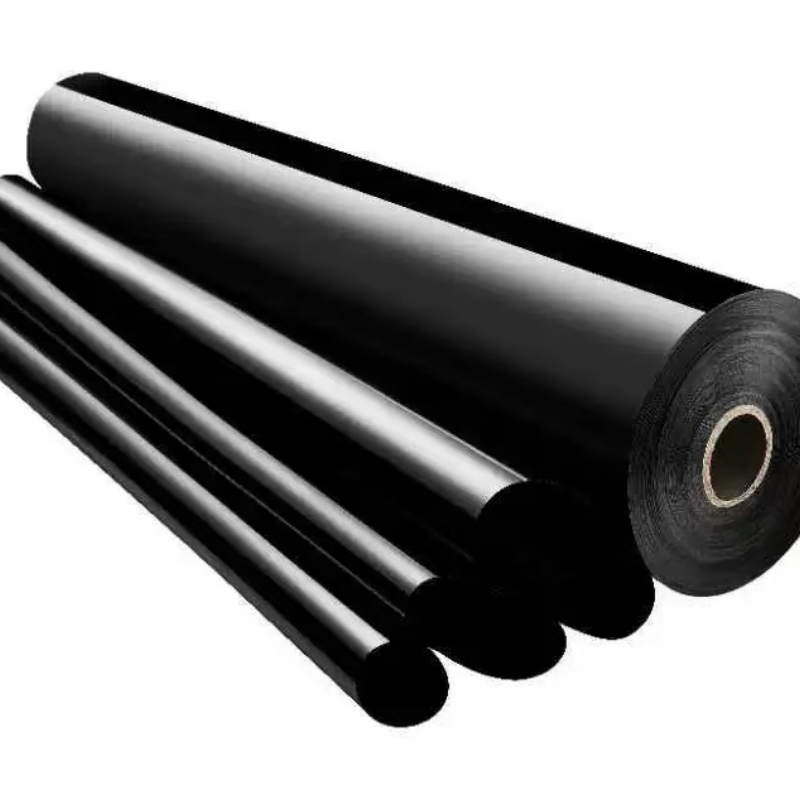
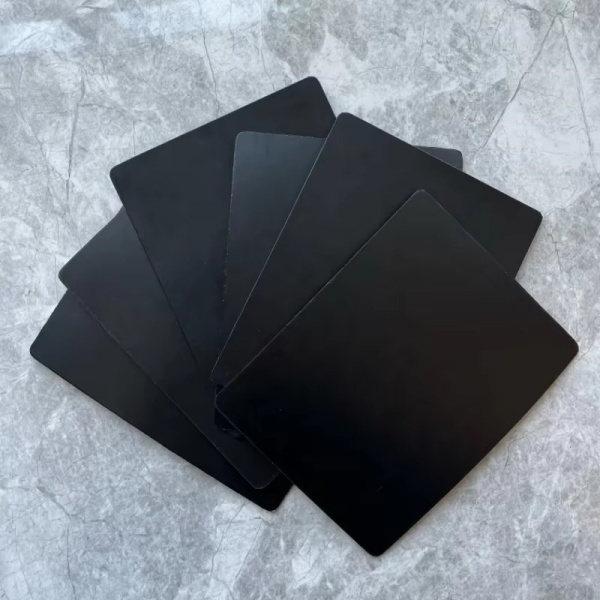
Geomembrane For Liner
1.High adaptability: It can be cut and spliced, and can fit into complex terrains. It is suitable for various special-shaped lining projects and the construction process is flexible without any limitations.
2. Convenient maintenance: Resistant to dirt, easy to clean, less prone to microbial growth, and convenient for later maintenance, significantly reducing maintenance costs.
3. Eco-friendly: The material is environmentally friendly and recyclable, without harmful emissions. It also has the function of preventing seepage while protecting the ecological environment.
Chapter 1: Overview of Geomembrane for Liner
1.1 Basic Definition and Core Function
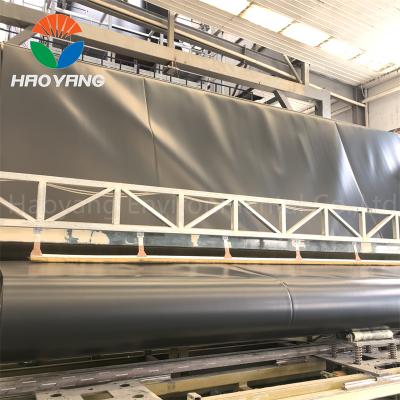
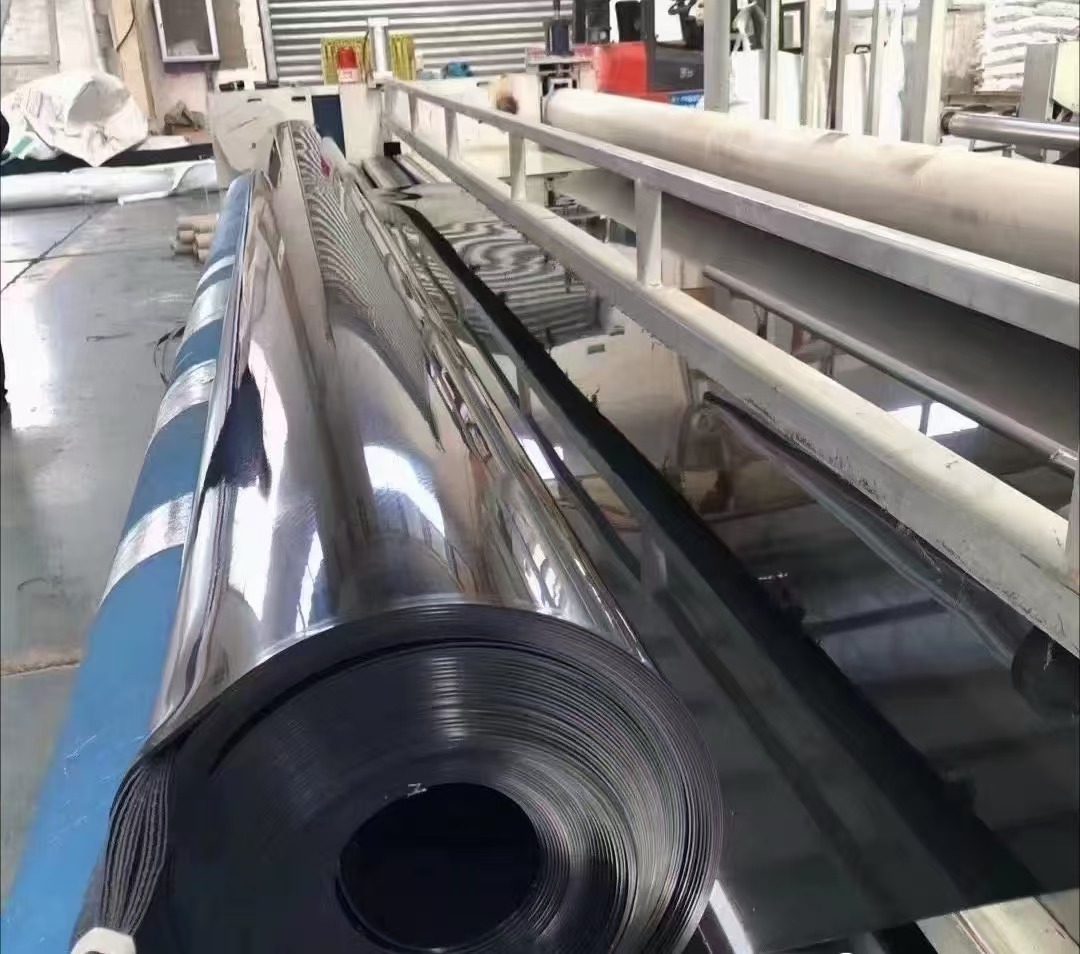
Geomembrane for liner is a high-performance anti-seepage material made of polymer resins (such as HDPE, PVC, EVA) through extrusion, calendering or composite processing. It acts as a dense waterproof barrier in lining projects, effectively blocking the penetration of liquids, gases and harmful substances, which is essential for protecting the environment and ensuring project stability.
1.2 Current Application and Popularity
In recent years, with the upgrading of environmental protection standards and the improvement of engineering quality requirements, geomembrane for liner has gradually replaced traditional anti-seepage materials like clay and asphalt. It is widely used in various key projects, becoming a mainstream choice for modern anti-seepage lining due to its reliable performance and long service life.
Chapter 2: Physical Performance Parameters
Property Item | Standard Requirement |
Density (g/cm³) | 0.930 - 0.975 |
Tensile Strength at Break (MPa) | ≥ 17 |
Elongation at Break (%) | ≥ 400 |
Puncture Resistance (N) | ≥ 280 |
Tear Strength (kN/m) | ≥ 70 |
Hardness (Shore D) | 55 - 75 |
Thickness Tolerance (mm) | ± 0.06 |
Heat Shrinkage Rate (%) | ≤ 2.0 |
Low Temperature Brittleness (℃) | ≤ -40 |
Chapter 3: Chemical Performance Parameters
Chemical Medium | Performance Description (25℃, 96h Immersion) |
10% Hydrochloric Acid (HCl) | No swelling, no strength loss, no discoloration |
10% Sulfuric Acid (H₂SO₄) | Stable performance, no cracking or degradation |
10% Sodium Hydroxide (NaOH) | No performance attenuation, surface intact |
5% Sodium Chloride (NaCl) | No chemical reaction, no corrosion |
5% Calcium Chloride (CaCl₂) | No swelling, mechanical properties unchanged |
95% Ethanol (C₂H₅OH) | Slight swelling, recoverable after drying |
Acetone (CH₃COCH₃) | No cracking, slight softening, recoverable |
Tap Water | Impermeable, no performance degradation |
Landfill Leachate (Simulated) | Resistant to corrosion, no harmful penetration |
Chapter 4: Classification and Material Characteristics
4.1 Common Types of Liner Geomembrane
According to raw materials and processing technology, it is mainly divided into four types: HDPE geomembrane (most widely used, high density and durability), PVC geomembrane (good flexibility, suitable for uneven bases), EVA geomembrane (excellent low-temperature resistance), and composite geomembrane (combined with geotextile, strong anti-puncture and anti-friction).
4.2 Key Selection Tips
Selection should be based on project environment and requirements: HDPE is preferred for landfills and water conservancy projects; PVC for chemical pools with complex shapes; EVA for low-temperature areas; composite types for projects with harsh base conditions.
Chapter 5: Main Application Fields
5.1 Environmental Protection Engineering
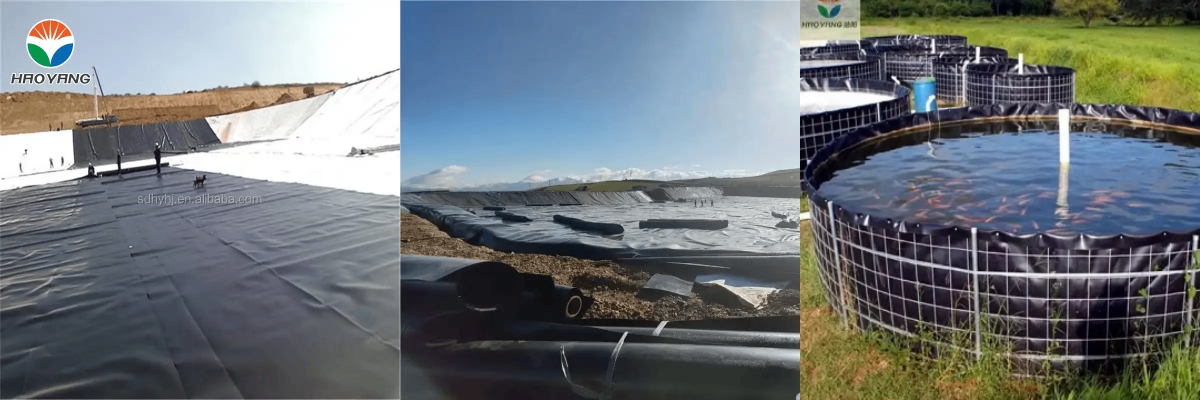
It is widely used in municipal solid waste landfills, hazardous waste disposal sites, leachate collection pools and sewage treatment tanks. It can effectively isolate harmful substances from polluting soil and groundwater, which is a key material for ecological environmental protection.
5.2 Water Conservancy and Agricultural Engineering
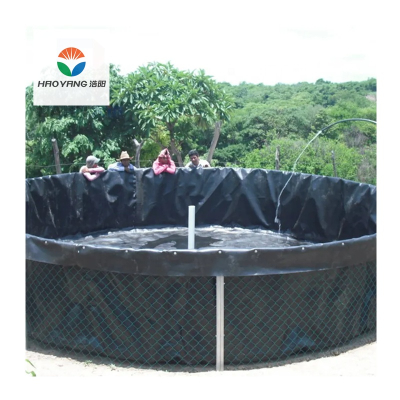
In water conservancy projects, it is used for reservoir, canal, dam and river channel lining to reduce water seepage loss; in agriculture, it is applied to fish ponds, shrimp ponds and water storage pools to keep water and maintain moisture, improving water resource utilization rate.
5.3 Other Fields
It is also used in artificial lakes, roof waterproofing, chemical storage tank bases and mine tailings ponds, playing an important role in water retention, anti-seepage and environmental protection.
Chapter 6: Installation and Construction Points
6.1 Pre-construction Preparation
First, treat the base to be flat, compacted and free of sharp objects (stones, glass, etc.); then inspect the geomembrane for cracks, holes or defects; finally, store the materials in a cool and ventilated place to avoid direct sunlight and rain.
6.2 Key Construction Steps
Lay the membrane from top to bottom along the slope, with an overlap width of 10-15cm; use thermal fusion welding for seams, and ensure the welding machine temperature is stable; conduct air pressure test after welding (pressure 0.1-0.15MPa, holding time ≥30min) to check for air leakage; lay a protective layer (geotextile, sand) in time after installation to avoid damage.
Chapter 7: Quality Control and Development Trend
7.1 Whole-process Quality Control
Control quality in raw material inspection, production, transportation and installation. Raw materials must meet national standards; during transportation, avoid extrusion and collision; during installation, strictly control laying and welding quality; after construction, conduct comprehensive acceptance, focusing on welding seam quality and anti-seepage effect.
7.2 Industry Development Trend
Driven by national environmental protection policies and new infrastructure construction, the market demand for geomembrane for liner will keep growing. Future products will be more environmentally friendly, with better durability and intelligence; intelligent welding equipment will be popularized to improve construction efficiency and quality.