Español
 Francés
 Русский
 Indonesia
 العربية
 Português
 Deutsch
 ไทย
ไทย
 Pilipino


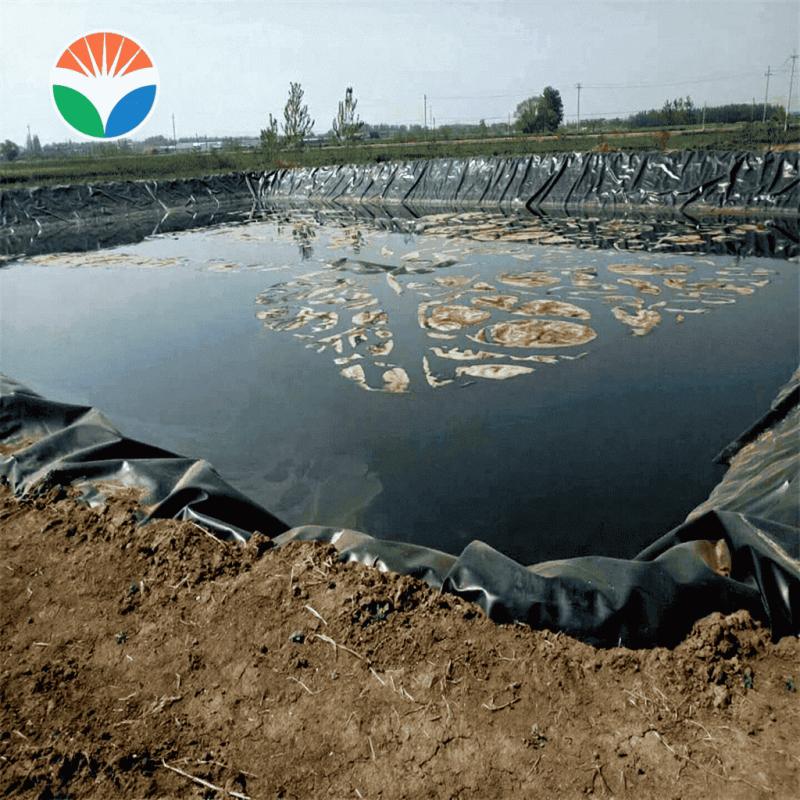
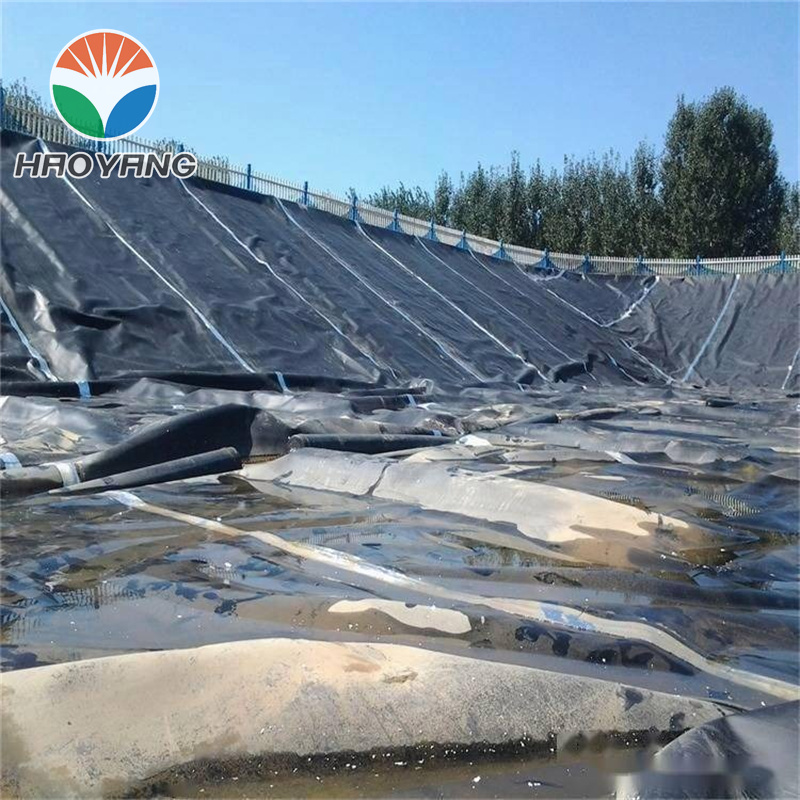
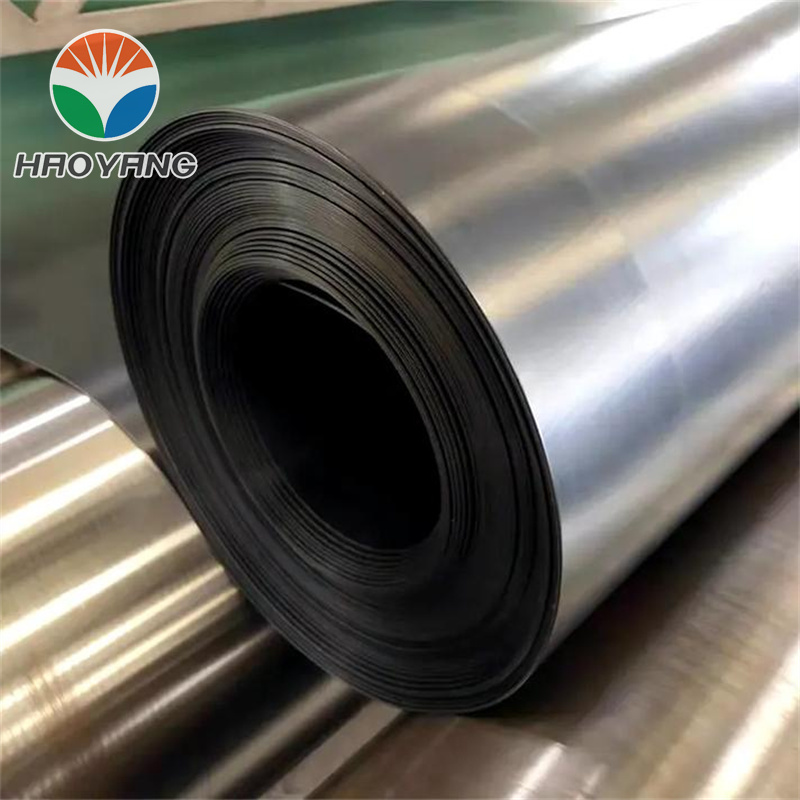
High Density Polyethylene Liner
1. Unmatched Impermeability: High Density Polyethylene Liner boasts ≤1×10⁻¹³ cm/s permeability (ASTM D5084), ensuring maximum fluid retention for environmental, industrial, and agricultural containment.
2. Industrial-Grade Durability: With ≥22 kN/m tensile strength and 360% elongation (ASTM D6693), it resists punctures, tears, and heavy loads in landfills, mining, and wastewater projects.
3. Long-Term Weather Resilience: UV-stabilized and temperature-resistant (-40°C to 60°C), it retains 89% tensile strength after 2000hrs UV exposure, outperforming PVC and rubber alternatives.
4. Eco-Friendly & Compliant: Made of 100% recyclable HDPE, it meets ASTM, EN 13493 standards, and is non-toxic (FDA 21 CFR 177.1520) for safe use in aquaculture and potable water applications.
High Density Polyethylene Liner: The Ultimate Pond Liner for Leak-Proof, Healthy Water Features
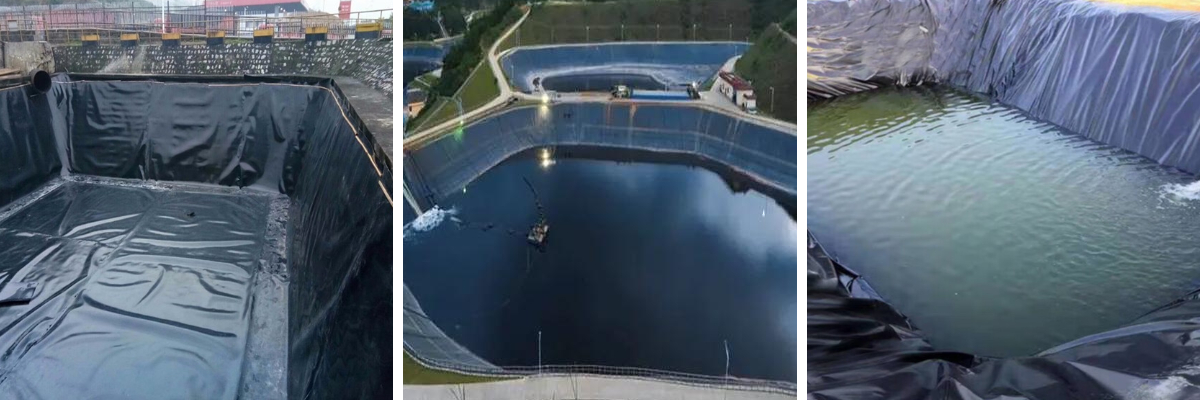
For pond owners—whether tending to a backyard koi pond, managing a commercial aquaculture farm, or designing a decorative water garden—two critical pain points overshadow enjoyment: constant water loss from leaks and threats to aquatic health from low-quality pond liners. High Density Polyethylene Liner (HDPE pond liner) solves both, emerging as the gold standard for pond liner applications. Engineered with dense HDPE material, this premium pond liner delivers unmatched impermeability, fish-safe durability, and pond-specific adaptability, eliminating guesswork and ensuring long-term performance for any pond project. Focused on HDPE pond liner use cases, let’s explore why it’s the top choice for discerning pond enthusiasts and professional pond installers alike.
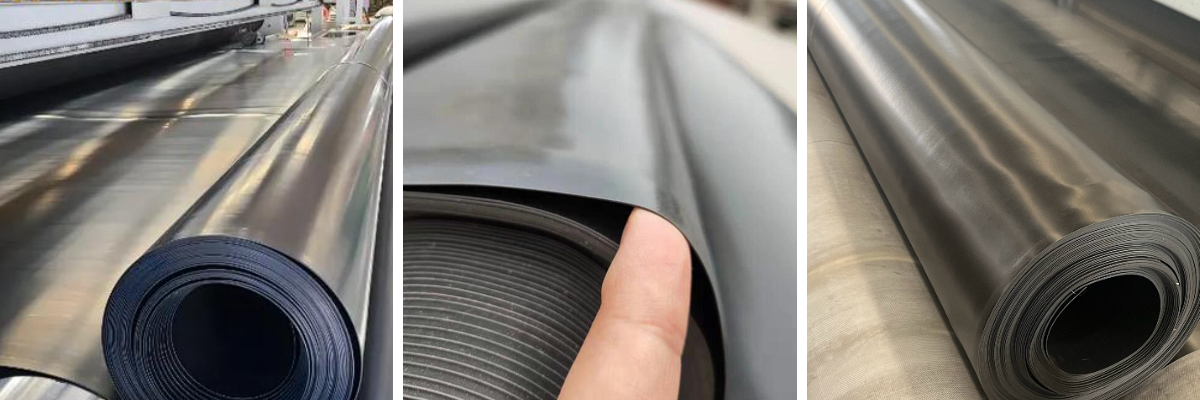
I. Superior Impermeability: Eliminate Pond Water Waste & Leak Risks
Water loss is the most frustrating challenge for pond owners—constant refilling drains time, resources, and money, while undetected leaks can damage surrounding landscapes, destabilize pond chemistry, and stress aquatic life. High Density Polyethylene pond liner’s tight molecular structure creates a near-impermeable barrier, locking in water and preventing costly seepage that plagues inferior pond liners. Unlike thin, fragile pond liners, HDPE pond liner maintains its barrier integrity even in varying pond conditions, making it ideal for all pond types.
1. Impermeability Performance & Pond-Specific Comparison (HDPE Pond Liner vs. Other Options)
Pond Liner Type | Permeability Coefficient (cm/s) | Monthly Water Loss (L/m²) | Water Retention Rate | Test Standard |
High Density Polyethylene Liner (1.0-1.5mm) | ≤1×10⁻¹³ | <0.1 | 99.9% | ASTM D5084 |
PVC Pond Liner (1.0mm) | 1×10⁻¹¹ – 5×10⁻¹¹ | 1.5–3.0 | 99.0%–99.5% | ASTM D5084 |
Butyl Rubber Pond Liner | 5×10⁻¹⁰ – 1×10⁻⁹ | 10–15 | 94%–96% | ASTM D5887 |
2. Impact on Pond Chemistry & Aquatic Health
Stable water levels are critical for maintaining healthy pond chemistry—fluctuations dilute beneficial bacteria, disrupt oxygen levels, and trigger algae blooms. High Density Polyethylene pond liner’s consistent impermeability keeps water levels steady, reducing the need for frequent chemical adjustments and water refills that burden pond owners. For aquaculture ponds, this stability directly boosts fish survival rates and growth, as fish thrive in consistent, balanced environments. Even for decorative ponds, HDPE pond liner ensures the water remains clear and stable, minimizing maintenance for pond enthusiasts.
(1) Pond Owner Benefits in Practice
A commercial koi farm using High Density Polyethylene pond liner reported cutting water refills by 98% compared to a rubber pond liner. Previously, the farm spent 10+ hours weekly refilling ponds; post-installation of HDPE pond liner, refills are needed only after heavy evaporation in summer—freeing up time for fish care and reducing utility costs. This real-world benefit is why more commercial pond operators are switching to HDPE pond liner for their aquaculture ponds.
II. Pond-Specific Adaptability: Fit Any Pond Shape & Terrain
Ponds come in all shapes and sizes—from irregular backyard water gardens to rectangular aquaculture tanks, and sloped decorative ponds. Many cheap pond liners struggle to conform to curved edges or uneven terrain, leading to wrinkles, gaps, and leaks that ruin pond projects. High Density Polyethylene pond liner’s flexibility and malleability solve this pain point, adapting seamlessly to any pond design with minimal waste. Whether you’re installing a small residential pond or a large commercial pond, HDPE pond liner fits perfectly, eliminating the frustration of ill-fitting pond liners.
1. Flexibility & Installation Efficiency for Ponds (HDPE Pond Liner for Easy Setup)
Performance Indicator | High Density Polyethylene Liner | Rubber Pond Liner | Pond-Specific Advantage |
Elongation at Break | ≥350% | 200%–250% | Conforms to curved edges and sloped pond banks |
Weight (kg/㎡, 1.0mm) | 9.0 | 12.0–15.0 | Easy to handle for DIY and professional pond installs |
Installation Rate (㎡/day/2-person crew) | 800–1,000 | 500–600 | Faster setup, minimal pond downtime |
Waste Reduction | ≤10% | 20%–30% | Precise cutting for irregular pond shapes |
2. Compatibility with Pond Features & Add-Ons
Ponds often include features like waterfalls, filters, and inlet/outlet pipes—components that can create leak points with ill-fitting pond liners. High Density Polyethylene pond liner bonds seamlessly with pipe fittings, filter connections, and waterfall edges, using standard HDPE pond liner patch kits to seal gaps effectively. Its smooth surface also works well with pond liner underlayment (to prevent punctures from rocks/roots) and decorative elements like stones or plants, making it the most versatile pond liner option. Whether you’re adding features to a residential pond or a commercial pond, HDPE pond liner integrates effortlessly.
III. Fish-Safe Durability: Protect Aquatic Life & Longevity
Pond liners must be non-toxic and resilient—harmful chemicals or premature degradation can devastate koi, goldfish, or edible aquaculture species. High Density Polyethylene pond liner is formulated with fish-safe materials and engineered to withstand pond-specific stressors, ensuring decades of reliable performance without compromising aquatic health. Unlike toxic or fragile pond liners, HDPE pond liner is safe for all aquatic life, making it the top choice for fish ponds and aquaculture operations.
1. Safety & Durability Metrics for Pond Use (HDPE Pond Liner Fish-Safe Standards)
Performance Indicator | Value | Test Standard | Pond-Specific Benefit |
Toxicity Compliance | FDA 21 CFR 177.1520; EPA 40 CFR Part 180 | ASTM D4236 | Safe for koi, goldfish, tilapia, and edible species |
UV Stability (2,000hrs exposure) | 88% tensile strength retention | ASTM D4329 | No brittling or chemical leaching in direct sunlight |
Puncture Resistance (1.0mm) | ≥280 N | ASTM D6392 | Resists rocks, roots, and fish activity |
Chemical Resistance (Pond Conditions) | No degradation in pH 6–9; resists fish waste/algae treatments | ASTM D5322 | Maintains integrity with regular pond maintenance |
2. Resistance to Pond-Specific Wear & Tear
Ponds pose unique challenges—fish waste, algae, and regular treatments can degrade inferior pond liners over time. High Density Polyethylene pond liner resists organic buildup and chemical exposure, maintaining structural integrity even in high-stock aquaculture ponds. Unlike PVC pond liners, HDPE pond liner won’t become brittle from algae treatments or fish waste byproducts, and its smooth surface prevents debris from becoming trapped and causing damage. This resilience makes HDPE pond liner the longest-lasting option for residential and commercial pond projects.
IV. Low-Maintenance Performance: Simplify Pond Care
Pond owners want to enjoy their water features, not spend hours on maintenance. High Density Polyethylene pond liner’s durable, smooth surface minimizes upkeep, solving the pain point of constant cleaning, repairs, and replacements that come with low-quality pond liners. For busy pond enthusiasts and commercial pond operators, HDPE pond liner’s low-maintenance design is a game-changer, allowing more time to enjoy the pond rather than maintain it.
1. Maintenance Comparison for Pond Liners (HDPE Pond Liner vs. PVC & Rubber)
Liner Type | Algae Buildup Rate | Annual Repair Frequency | Cleaning Interval |
High Density Polyethylene Liner | Low (smooth surface resists adhesion) | 0–1 (minor patches) | Monthly (light cleaning) |
PVC Pond Liner | Medium (porous surface traps algae) | 2–3 (seam or puncture repairs) | Bi-weekly |
Rubber Pond Liner | High (textured surface traps debris) | 3–4 (brittling or tearing) | Weekly |
2. Long-Term Lifespan for Cost-Efficiency
With proper installation and minimal maintenance, High Density Polyethylene pond liner offers a 15–20 year lifespan for residential pond liners and 12–15 years for high-use commercial pond liners. This outperforms PVC pond liners (8–10 years) and rubber pond liners (5–8 years), eliminating the need for frequent replacements and reducing long-term costs for pond owners. A backyard pond owner noted their HDPE pond liner has performed flawlessly for 12 years, with no repairs or signs of degradation—proving why HDPE is the most reliable pond liner option.
V. Our Factory: Quality High Density Polyethylene Liner for Ponds
We specialize in manufacturing high-performance High Density Polyethylene pond liner, with a laser focus on pond-specific applications for residential, commercial, and aquaculture ponds. Our state-of-the-art factory features advanced extrusion technology, ensuring consistent thickness, impermeability, and fish-safe quality across every roll of HDPE pond liner. We adhere to strict quality control protocols—each batch of HDPE pond liners undergoes rigorous testing for toxicity, UV stability, and puncture resistance, complying with global standards like ASTM, EN 13493, and GB/T 17643 to deliver the best pond liner for every project.
Our team of geomembrane experts works closely with pond owners, aquaculture professionals, and landscapers to tailor HDPE pond liner solutions to specific pond needs—from custom sizes for irregular residential ponds to specialized thicknesses (1.0mm for residential pond liners, 1.5mm for commercial pond liners). We use 100% recyclable HDPE materials, prioritizing sustainability without compromising the performance of our pond liners. With fast production lead times and global shipping, we deliver reliable HDPE pond liners to pond projects of all sizes, from small backyard ponds to large commercial aquaculture operations.
VI. FAQ
1. What thickness of High Density Polyethylene pond liner is best for my pond?
1.0mm is ideal for residential pond liners (koi ponds, water gardens) with smooth subgrades. 1.5mm is recommended for commercial/aquaculture pond liners, or ponds with rocky terrain (to prevent punctures). For extra-large ponds or ponds with heavy foot traffic, we offer thicker HDPE pond liner options to ensure long-term durability.
2. Can I install High Density Polyethylene pond liner myself?
Yes—HDPE pond liner is DIY-friendly. Its lightweight design and flexibility make it easy to unroll and position, even for irregular ponds. We recommend using an underlayment (geotextile) to prevent punctures and following standard welding/sealing guidelines for HDPE pond liner seams to ensure a leak-proof finish. For large commercial ponds, we recommend professional pond liner installation for optimal results.
3. Is it safe for edible fish like tilapia or catfish?
Absolutely. It meets FDA and EPA food contact standards, making it completely safe for edible aquaculture species. It does not leach chemicals into the water, ensuring fish health and safety for human consumption.
4. How do I repair small punctures in my HDPE pond liner?
Small punctures (≤1cm) can be fixed with HDPE pond liner patch kits, specifically designed for repairing HDPE pond liners. Clean the area thoroughly, apply the adhesive included in the kit, and press the patch firmly for 24 hours to ensure a secure bond. For larger damage to your HDPE pond liner, professional heat welding is recommended to restore the liner’s impermeable barrier.
VII. Choose High Density Polyethylene Liner for Your Pond
High Density Polyethylene pond liner is the ultimate pond liner solution—delivering unbeatable impermeability, pond-specific adaptability, fish-safe durability, and low maintenance that pond owners demand. Whether you’re a backyard enthusiast installing a small koi pond, an aquaculture farmer managing commercial ponds, or a landscaper designing decorative water features, HDPE pond liner solves the core pain points of pond ownership and ensures a healthy, leak-proof water feature for decades. It’s no wonder HDPE pond liner is the most trusted option for pond projects worldwide.
Contact our team today to request custom sizing, technical specifications, or installation guidelines tailored to your pond project. We combine geomembrane expertise with SEO-driven insights to help you select the perfect HDPE pond liner for your pond’s unique needs, whether it’s a residential pond, commercial aquaculture pond, or decorative water garden. Trust our high-quality HDPE pond liner to make your pond project a success.