Español
 Francés
 Русский
 Indonesia
 العربية
 Português
 Deutsch
 ไทย
ไทย
 Pilipino


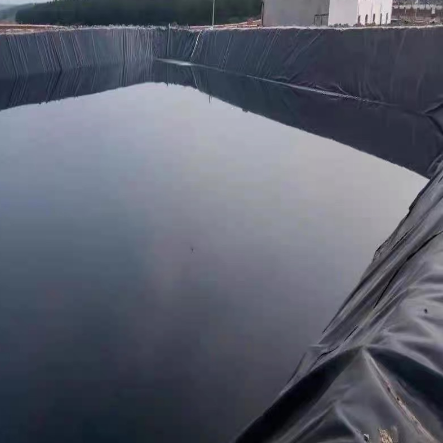
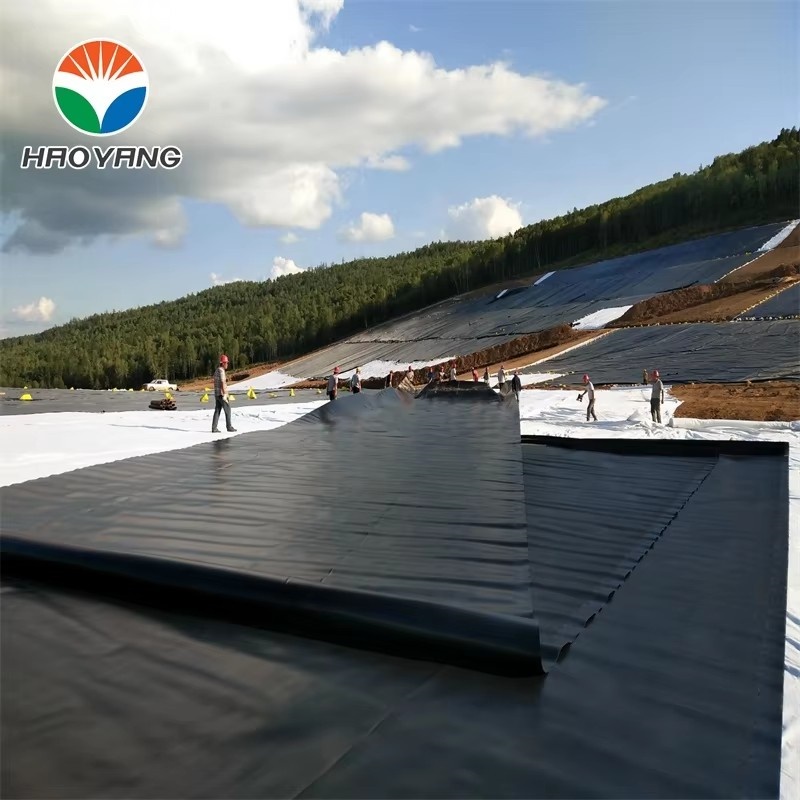
HDPE Plastic Liner
Excellent impermeability: Ultra-low permeability forms a reliable barrier against liquid and gas leakage.
Strong chemical resistance: Resists acids, alkalis, salts and corrosive media for harsh environments.
High mechanical strength: Good tensile, tear and puncture resistance, adapting to ground settlement.
UV & aging resistance: Stable outdoors, service life up to 30–50 years with low maintenance.
Easy construction: Lightweight, weldable for seamless joints, cost-effective in long-term use.
Ⅰ. General Introduction to HDPE Plastic Liner
HDPE Plastic Liner, also known as HDPE geomembrane, is a high-density polyethylene-based anti-seepage isolation material manufactured through professional extrusion and calendering processes. As a mainstream anti-seepage product in modern engineering, it features stable molecular structure, durable service life, and strong environmental adaptability, completely breaking the limitations of traditional clay, asphalt and other anti-seepage materials.
This liner is mainly designed to solve leakage, pollution and corrosion problems in complex engineering scenarios, covering environmental protection, water conservancy, aquaculture, mining and other fields. With its core barrier function, it has become an indispensable key material for ensuring project safety and meeting ecological governance standards, gradually occupying a dominant position in the global anti-seepage material market.
Ⅱ. Core Functional Advantages of HDPE Plastic Liner
HDPE Plastic Liner stands out in engineering applications relying on five irreplaceable core advantages, forming a comprehensive performance barrier for projects:
Excellent Impermeability: Ultra-low liquid and water vapor permeability, forming a closed isolation layer to thoroughly block seepage and leakage, which is the core performance of anti-seepage engineering.
Outstanding Chemical Corrosion Resistance: Inert to acid, alkali, salt, heavy metal ions and other corrosive media, suitable for harsh environments such as landfills and industrial sewage tanks.
High Mechanical Strength: Good tensile, tear and puncture resistance, adapting to foundation settlement and geological deformation without cracking or damage.
Long-Term Aging Resistance: Added UV stabilizers and anti-aging agents, maintaining stable performance in outdoor environments for 30-50 years with low later maintenance costs.
Convenient and Efficient Construction: Light texture, flexible hot-melt welding, seamless lap joints, short construction period and high overall structural integrity.
Ⅲ. Physical and Chemical Indicators of HDPE Geomembrane Liner
The performance of HDPE Plastic Liner is strictly controlled by standardized physical and chemical indicators, which are the core basis for engineering selection and quality acceptance.
Indicator Name | Standard Value |
|---|---|
Density | ≥0.94 g/cm³ |
Tensile Yield Strength | ≥17 MPa |
Elongation at Break | ≥600% |
Tear Resistance | ≥80 kN/m |
Puncture Resistance | ≥240 N |
Water Vapor Transmission Rate | ≤0.5 g/(m²·24h) |
Carbon Black Content | 2.0% - 3.0% |
Oxidation Induction Time (OIT) | ≥100 min |
Melt Flow Rate | 0.2 - 0.5 g/10min |
Low-Temperature Brittleness Temperature | ≤-70℃ |
Heat Resistance | No cracking at 110℃ for 2h |
Chemical Corrosion Resistance | No obvious change after 168h soaking |
UV Resistance Retention Rate | ≥80% tensile strength |
Welding Shear Strength | ≥80% of base material strength |
Thickness Tolerance | ±0.1 mm |
Ⅳ. Production Process and Quality Control System
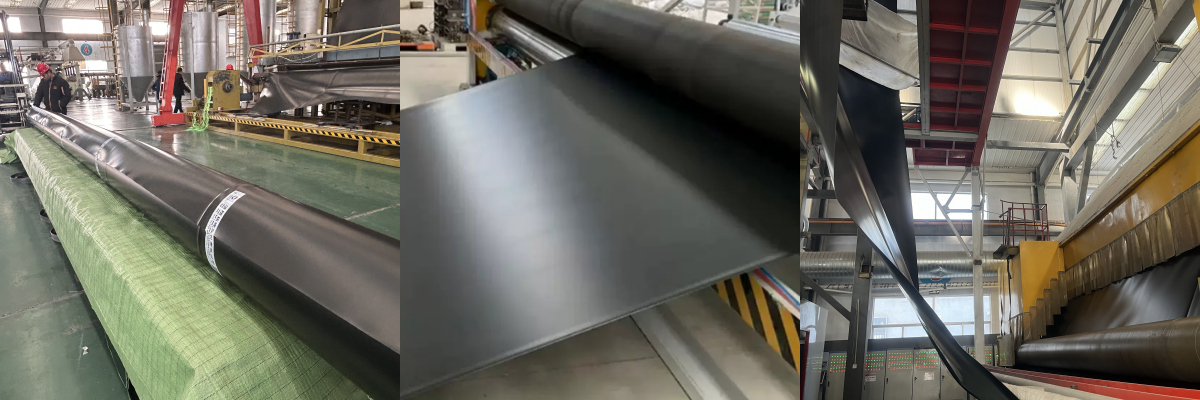
High-quality HDPE Plastic Liner relies on standardized production and full-process quality control, eliminating unqualified products from the source:
Raw Material Screening: Select high-purity HDPE resin, matched with special additives in strict proportion to ensure basic performance.
Molding Processing: Adopt fully automated extrusion and calendering equipment to ensure uniform thickness and compact internal structure.
Full-Process Inspection: Conduct raw material testing, semi-finished product monitoring and finished product performance testing, only qualified products are packaged and delivered.
Ⅴ. Typical Engineering Application Fields
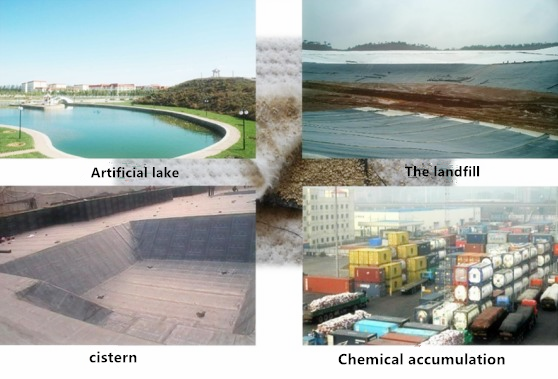
HDPE Plastic Liner has wide cross-field applicability, covering multiple core engineering scenarios with high anti-seepage demands:
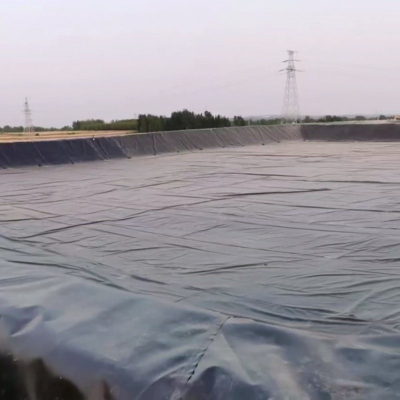
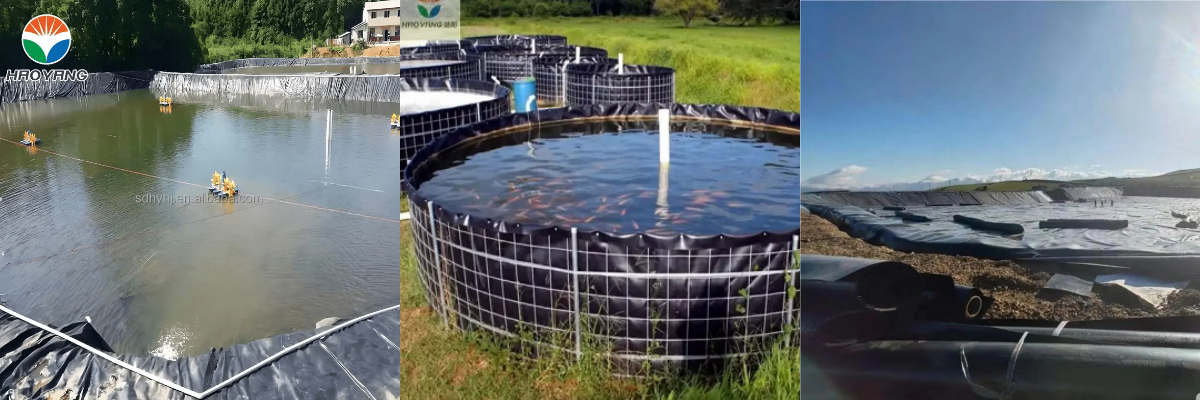
Environmental protection: Landfill anti-seepage, sewage treatment tank isolation, hazardous waste storage barrier
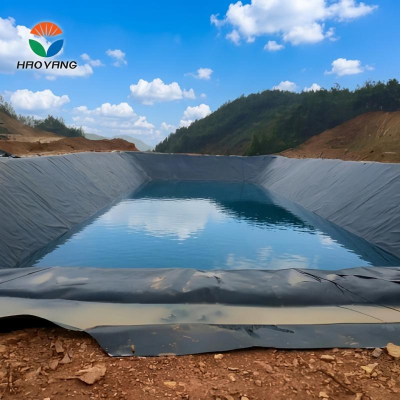
Water conservancy: Reservoir, canal, dam anti-seepage and water retention
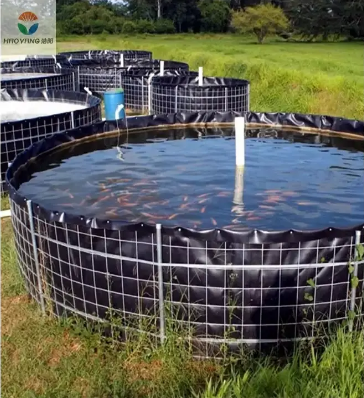
Aquaculture: Fish and shrimp pond lining, water quality isolation and water loss prevention
Mining: Tailings pond anti-seepage, heavy metal ion pollution isolation
Ⅵ. Construction Precautions and Standardized Operation
Standardized construction is the key to exerting the liner's performance, and the following links must be strictly controlled:
Base treatment: Level and compact the base surface, remove sharp stones and debris to avoid piercing the liner
Laying operation: Adopt flat lap method, reserve thermal expansion and contraction space to avoid tight laying
Welding construction: Use hot-melt welding for joints, ensure welding width and firmness, and conduct air tightness test
Acceptance inspection: Conduct leakage test after construction, repair damaged parts in time to ensure overall anti-seepage effect
Ⅶ. Summary and Development Prospects
HDPE Plastic Liner integrates excellent anti-seepage, corrosion-resistant and mechanical properties, with standardized indicators and convenient construction, making it the preferred choice for modern anti-seepage engineering. With the global upgrading of environmental protection and infrastructure standards, its market demand will continue to rise.
In the future, with the optimization of production processes and performance upgrades, HDPE Plastic Liner will further expand its application scenarios, providing safer and more efficient solutions for ecological governance and engineering construction, and showing broad development prospects in the field of anti-seepage materials.
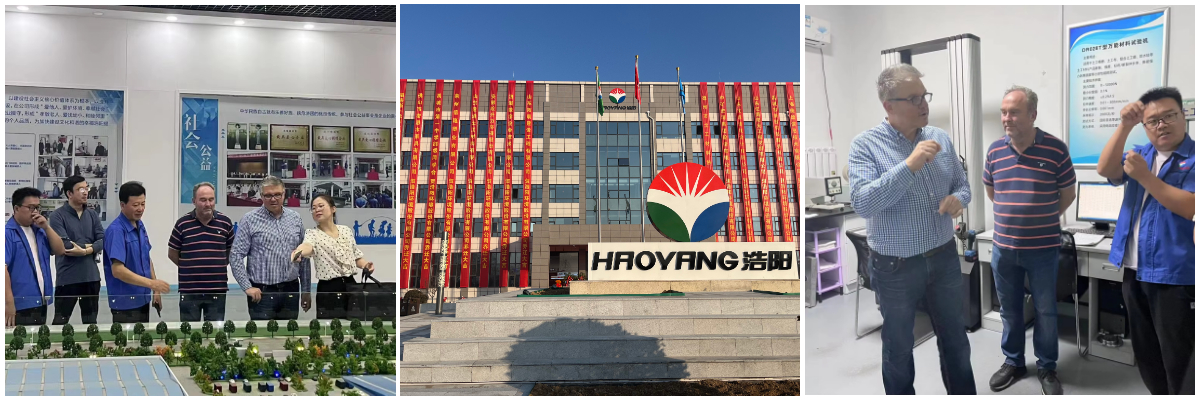
 ce50ca61428848c0db9db7940fe0e77.png
 Company overview and certificates.pdf