Español
 Francés
 Русский
 Indonesia
 العربية
 Português
 Deutsch
 ไทย
ไทย
 Pilipino


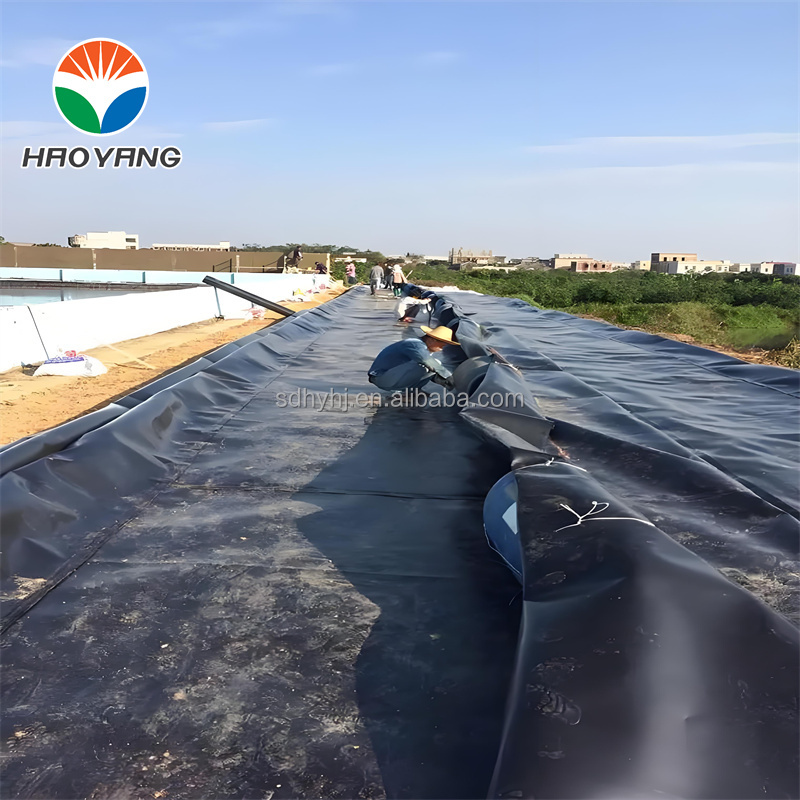
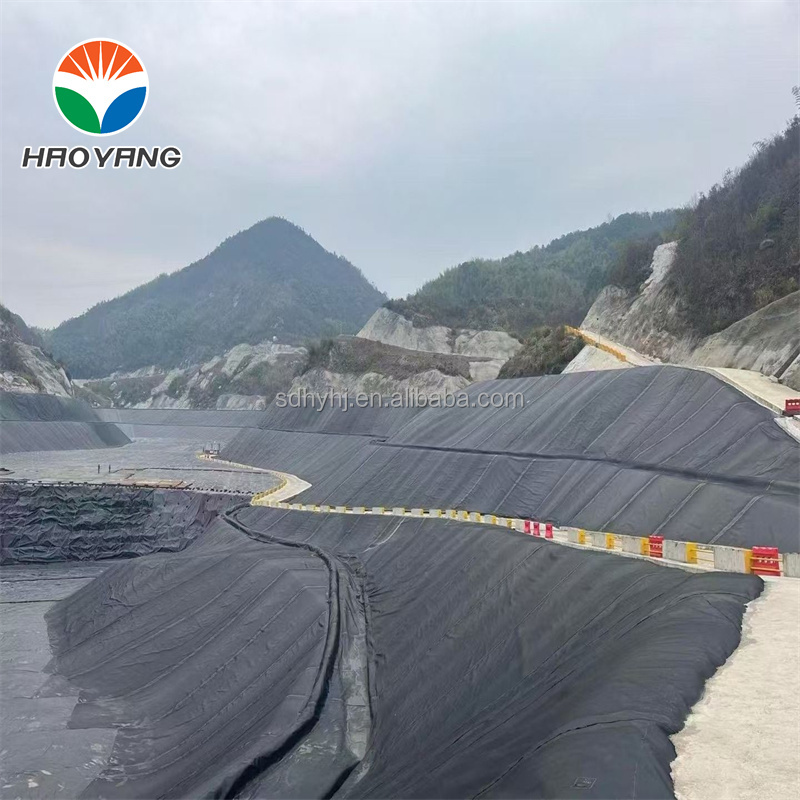
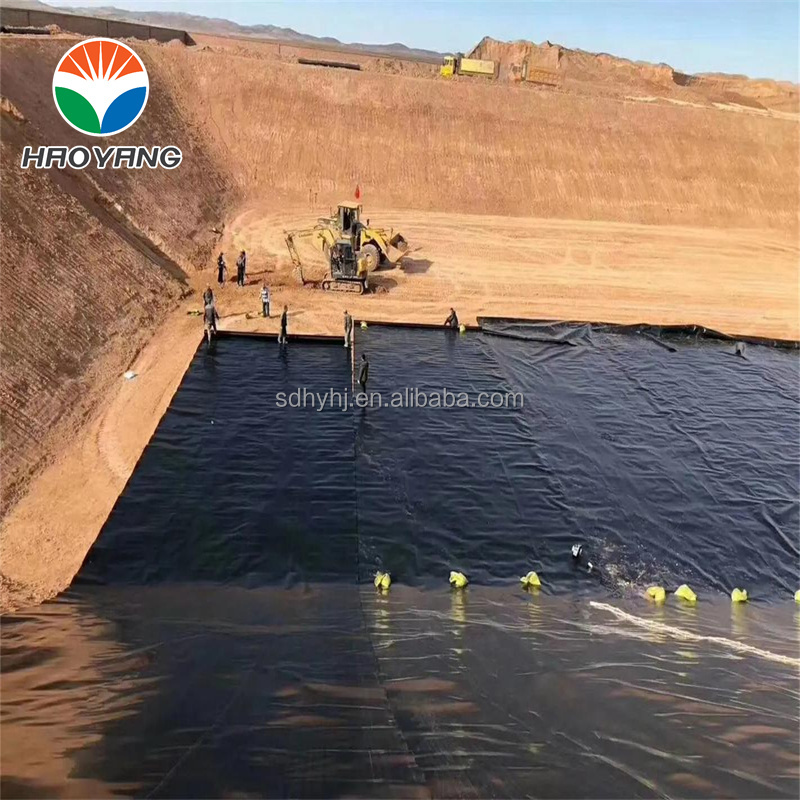
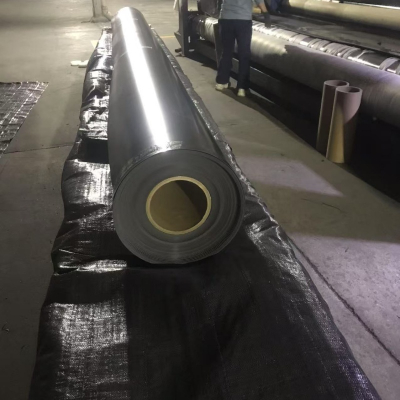
1.5mm HDPE Geomembrane For Landfill
1.Excellent Barrier Performance: The 1.5mm HDPE geomembrane provides a highly effective barrier against the leakage of leachate and contaminants. Its low permeability ensures that the surrounding environment is protected from pollution.
2.Durability and Longevity: With its high mechanical strength and chemical resistance, the 1.5mm HDPE geomembrane has a long service life. It can withstand the harsh conditions in landfills, such as the weight of the waste, the presence of aggressive chemicals, and temperature variations.
3.Cost - Effectiveness: Compared to other types of geomembranes or geomembranes with different thicknesses, the 1.5mm HDPE geomembrane offers a good balance between performance and cost. It provides reliable protection at a relatively low cost, making it an attractive option for landfill projects.
Introduction
Landfills are essential infrastructure for waste management, playing a crucial role in protecting the environment and public health. One of the key components in landfill design and construction is the geomembrane, which serves as a barrier to prevent the leakage of leachate and contaminants into the surrounding soil and groundwater. Among various types of geomembranes, High - Density Polyethylene (HDPE) geomembranes are widely used due to their excellent properties. In this article, we will focus on the 1.5mm HDPE geomembrane and its application in landfills.
Properties of 1.5mm HDPE Geomembrane
Physical Properties
The 1.5mm HDPE geomembrane has a thickness of 1.5 millimeters, which provides a good balance between cost - effectiveness and performance. It has a high density, typically in the range of 0.94 - 0.96 g/cm³, which contributes to its durability and resistance to various environmental factors. The surface of the geomembrane is smooth, which helps in reducing friction during installation and also prevents the accumulation of debris.
Mechanical Properties
This geomembrane exhibits excellent mechanical strength. It has a high tensile strength, which allows it to withstand the stresses and strains imposed by the weight of the waste and the surrounding soil. The tensile strength at yield is usually in the range of 20 - 25 MPa, and the tensile strength at break is around 30 - 35 MPa. It also has a good elongation at break, typically 400 - 600%, which enables it to stretch and adapt to the settlement of the landfill without tearing.
Chemical Resistance
HDPE geomembranes are highly resistant to a wide range of chemicals commonly found in landfill leachate, such as acids, bases, and organic solvents. This chemical resistance ensures that the geomembrane remains intact and effective over the long - term, even in the presence of aggressive leachate.
The following table summarizes the key physical and mechanical properties of the 1.5mm HDPE geomembrane:
| Property | Value |
Thickness | 1.5 mm |
Density | 0.94 - 0.96 g/cm³ |
Tensile strength at yield | 20 - 25 MPa |
Tensile strength at break | 30 - 35 MPa |
Elongation at break | 400 - 600% |
Application in Landfills
As a Primary Liner
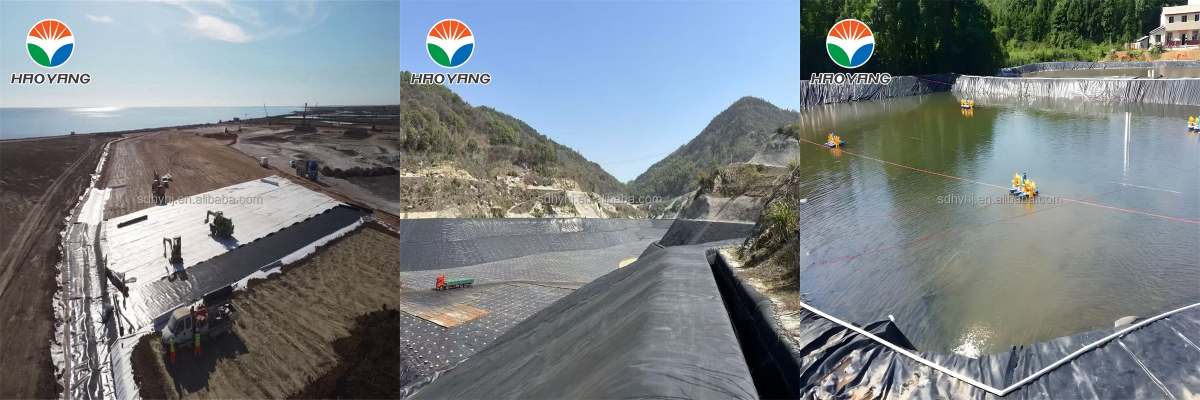
In landfill construction, the 1.5mm HDPE geomembrane is often used as a primary liner. It is placed at the bottom of the landfill to prevent the downward migration of leachate into the underlying soil and groundwater. The geomembrane is typically installed over a layer of compacted soil, which provides a smooth and stable base. During installation, special care is taken to ensure that the geomembrane is properly welded and sealed at the seams to create a continuous and impermeable barrier.
As a Cover System
In addition to being used as a primary liner, the 1.5mm HDPE geomembrane can also be part of the landfill cover system. The cover system is designed to prevent the infiltration of rainwater into the waste, which can generate additional leachate. The geomembrane in the cover system acts as a barrier to rainwater, and it is often combined with other components such as drainage layers and vegetation layers to create an effective cover.
Comparison with Other Thicknesses
There are HDPE geomembranes with different thicknesses available in the market, such as 1.0mm, 2.0mm, and 3.0mm. The following table compares the 1.5mm HDPE geomembrane with 1.0mm and 2.0mm HDPE geomembranes in terms of key properties:
| Property | 1.0mm HDPE Geomembrane | 1.5mm HDPE Geomembrane | 2.0mm HDPE Geomembrane |
Thickness | 1.0 mm | 1.5 mm | 2.0 mm |
Tensile strength at yield | 15 - 20 MPa | 20 - 25 MPa | 25 - 30 MPa |
Tensile strength at break | 25 - 30 MPa | 30 - 35 MPa | 35 - 40 MPa |
Elongation at break | 350 - 500% | 400 - 600% | 450 - 650% |
Cost | Lower | Medium | Higher |
From the table, it can be seen that the 1.5mm HDPE geomembrane offers a good balance between mechanical properties and cost. It has higher tensile strength and elongation compared to the 1.0mm geomembrane, while being more cost - effective than the 2.0mm geomembrane.
Installation Considerations
Site Preparation
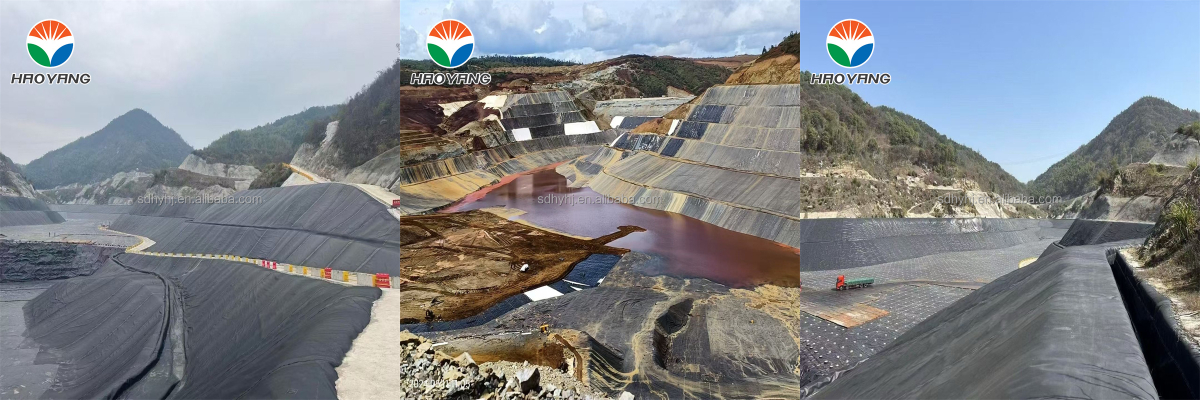
Before installing the 1.5mm HDPE geomembrane, the site must be properly prepared. The subgrade should be smooth, compacted, and free of sharp objects such as rocks and debris. Any irregularities in the subgrade can cause stress concentrations on the geomembrane, leading to damage.
Welding and Seaming
The welding of the geomembrane is a critical step in the installation process. There are different welding methods available, such as hot - wedge welding and extrusion welding. Hot - wedge welding is commonly used for HDPE geomembranes. It involves heating the edges of the geomembrane with a hot wedge and then pressing them together to form a strong and continuous seam.
Quality Control
Quality control is essential throughout the installation process. This includes visual inspection of the geomembrane for defects, such as holes and tears, and non - destructive testing of the seams to ensure that they are properly welded.
Conclusion
The 1.5mm HDPE geomembrane is a valuable material for landfill construction and management. Its excellent physical, mechanical, and chemical properties make it well - suited for use as a primary liner and in cover systems. With proper installation and quality control, it can provide long - term protection for the environment and public health. As the demand for sustainable waste management solutions continues to grow, the 1.5mm HDPE geomembrane is likely to remain a popular choice in the landfill industry.